
Pattern Database
Fly tying patterns for trout water.
Fly tying patterns for trout water.
3 patterns
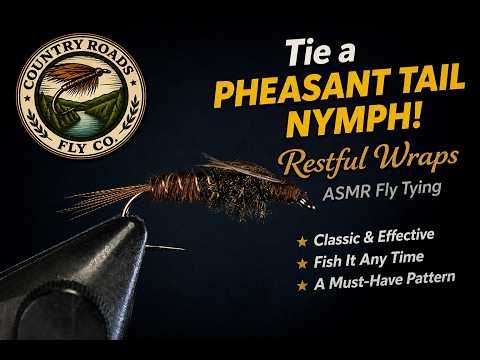
The Pheasant Tail was developed by English riverkeeper Frank Sawyer in the mid-20th century for the chalk streams of the River Avon. Sawyer's original used only pheasant tail fibers and fine copper wire — no thread at all — to imitate the baetis nymphs his trout were feeding on. The American version, often credited to Al Troth, added a peacock herl thorax and a defined wing case and legs. That's the dressing most tiers know today, and it's the one we're tying here.
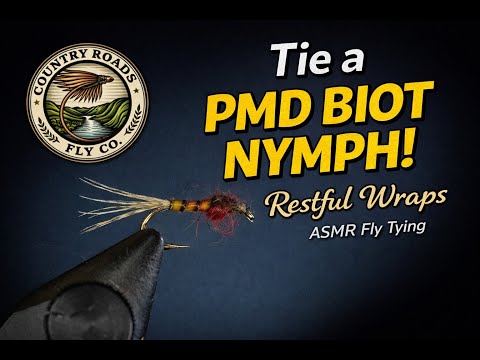
The PMD Biot Nymph is designed to imitate the nymphal stage of Pale Morning Dun (PMD) mayflies, a prolific and important hatch on many Western and Eastern tailwaters. PMD nymphs are slim, active swimmers, and trout often key in on them heavily in the days leading up to—and during—the hatch. Using a goose biot abdomen gives this pattern its defining feature: crisp segmentation and a natural taper that closely matches the real insect. Combined with soft natural materials in the thorax and tail, the PMD Biot Nymph excels at imitating drifting and emerging nymphs in clear, technical water. This style of biot-bodied nymph has become a favorite among anglers who value realism over flash, especially when fishing pressured trout or subtle presentations. This refined material combination creates a slender, segmented profile with lifelike texture—ideal for PMD hatches and selective trout.
Dorsey's emerging-midge companion to the Mercury Midge: dark brown body ribbed with white thread, a rusty dubbed thorax, and a stub of bright white wing material breaking the profile — the pupa at the moment of eclosion. A first-string dropper on any winter tailwater rig.