
Pattern Database
Fly tying patterns for trout water.
Fly tying patterns for trout water.
9 patterns
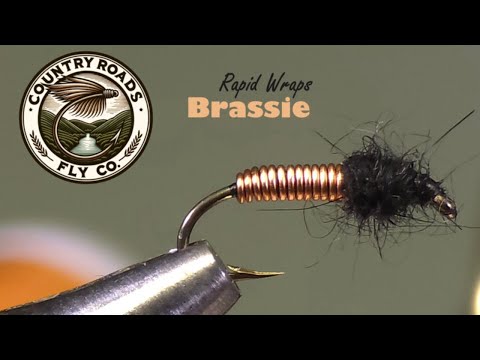
A midge larva pattern so simple and effective it transcends its humble origins. Copper wire builds a segmented, durable body that sinks fast. Add a peacock head and you have one of the great tailwater nymphs.
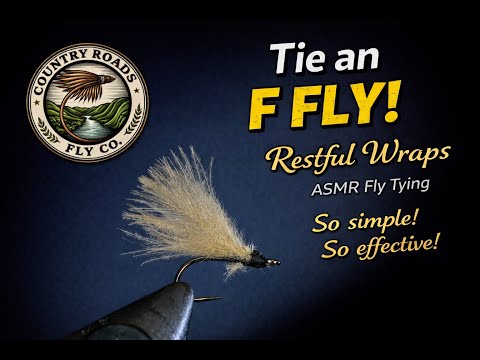
The F-Fly was developed in Europe as a highly impressionistic mayfly and midge imitation, designed specifically for pressured trout and technical water. Rather than imitating exact details, the pattern relies on profile, posture, and movement—key triggers that trout respond to when insects are trapped in the surface film. Using only CDC for the wing, the F-Fly excels at riding low, mimicking spent or emerging insects that trout feed on confidently. Its simplicity allows it to match a wide range of small mayflies and midges, making it a favorite on spring creeks, tailwaters, and slow glides. The F-Fly's minimalist design and effectiveness have earned it a permanent place among modern dry-fly staples. This ultra-simple recipe creates a low-riding silhouette with exceptional natural movement—perfect for selective trout feeding in calm, clear water.
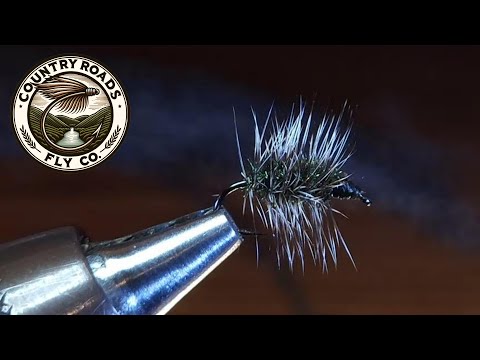
George Griffith's cluster midge pattern has been fooling trout for decades. The palmered grizzly hackle through peacock herl perfectly imitates a clump of midges on the surface.
Pat Dorsey's South Platte staple, named for the silver-lined glass bead that glints like the gas bubble of an emerging midge. White thread and a copper rib — that's the entire fly, and on technical tailwaters it is quietly devastating.
The Madison River's twisted-yarn midge, popularized by Blue Ribbon Flies. A cord of twisted Z-Lon makes the segmented abdomen; a clipped tuft of deer hair makes the emerging wing bud. Red, olive, and brown, sizes 16–20, cover most of what a Western river calls midges and small caddis.
Peacock herl and a tiny iridescent starling hackle — the small dark soft-hackle for smutting fish. When trout are on little black stuff and refusing everything, a size 18 Starling & Herl swung or dead-drifted in the film is the old, quiet answer.
Dorsey's emerging-midge companion to the Mercury Midge: dark brown body ribbed with white thread, a rusty dubbed thorax, and a stub of bright white wing material breaking the profile — the pupa at the moment of eclosion. A first-string dropper on any winter tailwater rig.
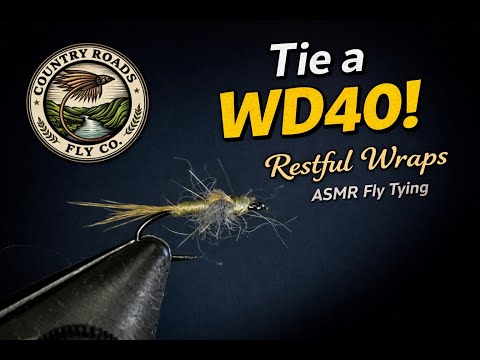
René Harrop's WD-40 is a masterclass in minimal fly design — wood duck legs, dubbing body, and snowshoe rabbit wing suggest a midge pupa or BWO emerger just below the film. One of the most effective tailwater nymphs ever created.
Ted Welling's Zebra Midge is the go-to tailwater midge larva pattern. Two materials — thread and wire — tied on a beaded hook. Deceptively simple and devastatingly effective.