
Pattern Database
Fly tying patterns for trout water.
Fly tying patterns for trout water.
3 patterns
Randall Kaufmann's big black stonefly nymph — the standard salmonfly imitation for forty years. Heavily weighted, biot-tailed, with three notched turkey wing cases over a picked-out black body, it crawls the bottom of heavy Western water where the giant stones live for years before they ever see the bank.
George Anderson's cased caddis — a rough hare's-ear case with the pale larva 'peeking' out the front, its black ostrich-herl head nodding in the current. Cased caddis are bottom ballast in every freestone river year-round, and almost nothing else imitates them.
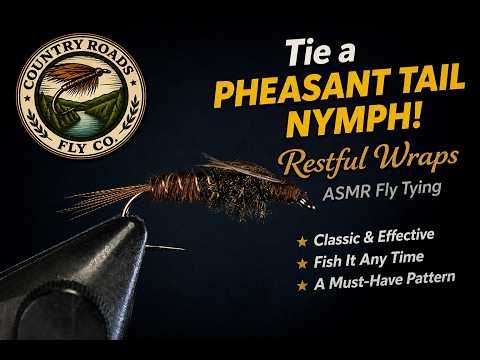
The Pheasant Tail was developed by English riverkeeper Frank Sawyer in the mid-20th century for the chalk streams of the River Avon. Sawyer's original used only pheasant tail fibers and fine copper wire — no thread at all — to imitate the baetis nymphs his trout were feeding on. The American version, often credited to Al Troth, added a peacock herl thorax and a defined wing case and legs. That's the dressing most tiers know today, and it's the one we're tying here.