
Pattern Database
Fly tying patterns for trout water.
Fly tying patterns for trout water.
4 patterns
The Green Drake's spinner — named by Walt Dette and Ted Townsend in 1930 for the black-and-white of funeral clothes. When the big drakes return at dusk as ghost-white spinners with smoky wings, the largest fish in the pool lose their caution for half an hour. This is the fly for that half hour.
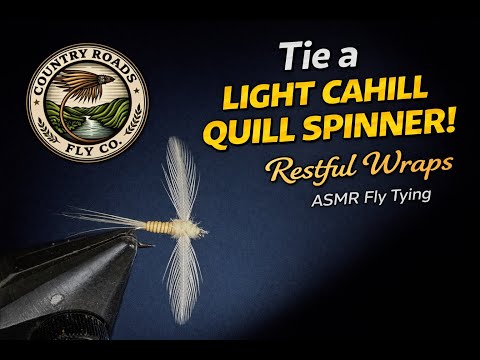
The Light Cahill Spinner represents the final stage in the life cycle of Light Cahill mayflies in genus Maccaffertium (formerly Stenonema), when spent insects return to the water to lay eggs. These spinner falls often occur in the evening and can produce some of the most selective trout feeding of the season. Traditional quill-bodied spinner patterns emphasize slender translucence, outstretched wings, and a low-riding profile — all critical elements when trout are sipping spent mayflies from smooth water. The Light Cahill Quill Spinner excels during late spring and early summer hatches on both freestone rivers and tailwaters. Its understated appearance and classic construction make it a staple pattern whenever trout are feeding confidently in low-light conditions. The traditional material selection creates a slender, translucent body with a soft, spent-wing profile — ideal for spinner falls and selective trout.
The Rusty Spinner imitates the spent female of many important mayfly species — Hendricksons, Sulphurs, and Blue-Winged Olives all produce rusty-bodied spinners. Dead fish on the surface, and trout are absolutely locked on them.
The Trico spinner fall is one of the most demanding hatches in trout fishing. Thousands of tiny spent spinners on the surface demand a small, accurate imitation. This pattern nails the black body and white spent wings.