
Pattern Database
Fly tying patterns for trout water.
Fly tying patterns for trout water.
5 patterns
The Chernobyl Ant is an indestructible foam attractor that works as a hopper, stonefly, or large ant imitation. Its flat profile, rubber legs, and high-visibility indicator strip make it the ultimate dry-dropper indicator fly.
Ants blown onto the water surface trigger some of the most selective feeding trout exhibit all summer. Two foam bubbles — abdomen and thorax — perfectly suggest the pinched waist of an ant. Black is most common; cinnamon matches carpenter ants; red imitates flying ant swarms that trout gorge on in late summer.
Beetles are the most abundant terrestrial insect group, and trout eat them all summer. This simple foam pattern with a peacock herl underbody is one of the most underrated searching patterns for warm-weather dry-fly fishing.
When cicadas are singing — annual dog-day cicadas every summer, periodical broods in their unforgettable years — trout and smallmouth alike lose all caution. A black foam body with an orange underside, splayed rubber legs, and a dark wing: cast it hard against the bank and hang on.
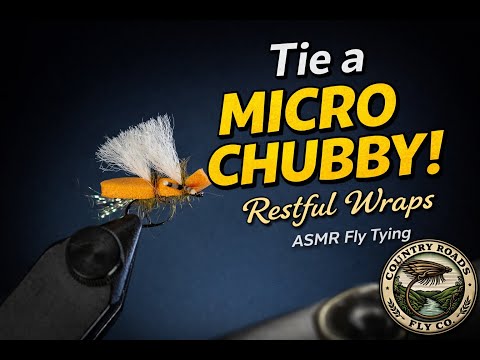
The Micro Chubby is a modern refinement of Chubby-style attractor dry flies, which trace their lineage back to the iconic Chubby Chernobyl. While the original Chubby was intentionally oversized to imitate stoneflies and hoppers, anglers quickly learned that trout often respond better to a smaller, cleaner silhouette—especially on pressured water. By downsizing the profile while keeping the core elements—foam buoyancy, rubber legs, and a visible body—the Micro Chubby excels as a searching dry fly, a terrestrial imitation, and a highly effective hopper-dropper indicator fly. Its ability to float heavy droppers while remaining subtle enough for selective trout has made it a staple in modern fly boxes.