
Pattern Database
Fly tying patterns for trout water.
Fly tying patterns for trout water.
16 patterns
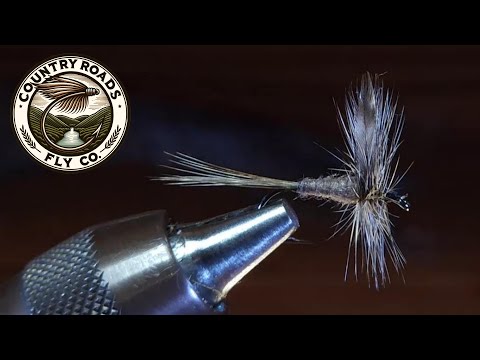
The most popular dry fly in America. A universal mayfly imitation that works when you're not sure what the fish are eating.
The tungsten bead version of Sawyer's classic nymph gets deep quickly and adds just enough flash to trigger strikes. The most productive nymph variation for most North American trout streams.
Bob Clouser's dumbbell-eyed minnow pattern may be the most versatile streamer ever invented. The inverted hook rides point-up, reducing snags. Chartreuse/white is the go-to for most freshwater conditions; olive/white on overcast days; pink/white for stained water.
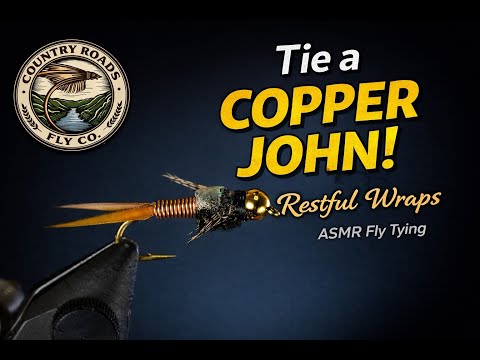
John Barr's Copper John sinks like a stone and triggers strikes with its metallic wire body and reflective wing case. One of the most effective fast-water nymphs of the last 30 years.
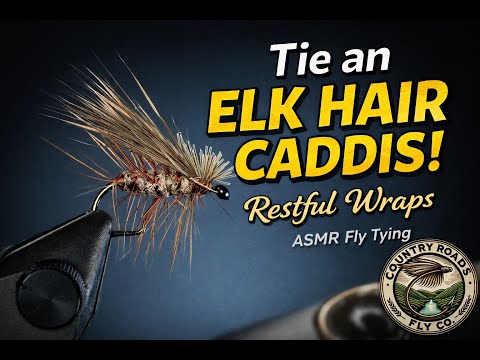
Al Troth's classic elk hair caddis is one of the most effective adult caddis patterns ever tied. The palmered hackle and buoyant elk hair wing keep it riding high in fast water.
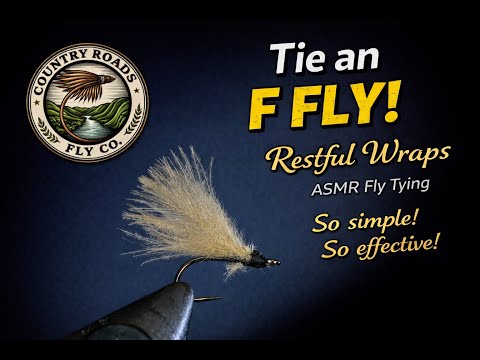
The F-Fly was developed in Europe as a highly impressionistic mayfly and midge imitation, designed specifically for pressured trout and technical water. Rather than imitating exact details, the pattern relies on profile, posture, and movement—key triggers that trout respond to when insects are trapped in the surface film. Using only CDC for the wing, the F-Fly excels at riding low, mimicking spent or emerging insects that trout feed on confidently. Its simplicity allows it to match a wide range of small mayflies and midges, making it a favorite on spring creeks, tailwaters, and slow glides. The F-Fly's minimalist design and effectiveness have earned it a permanent place among modern dry-fly staples. This ultra-simple recipe creates a low-riding silhouette with exceptional natural movement—perfect for selective trout feeding in calm, clear water.
The classic Hare's Ear nymph with a pearl flashback wing case that catches light and triggers strikes. The subtle flash suggests the gas bubble of an emerging nymph — a small change that consistently out-fishes the standard version.
The gold-ribbed hare's ear is the all-purpose nymph of Eastern trout fishing. Its rough, buggy dubbing imitates caddis pupae, mayfly nymphs, and small crustaceans with equal conviction.
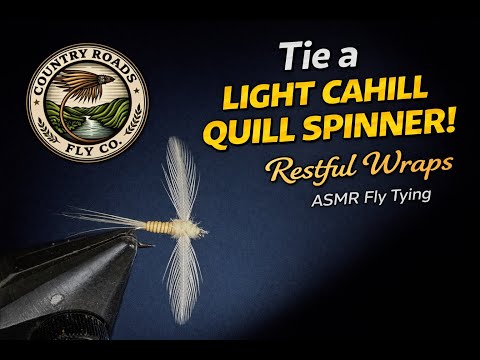
The Light Cahill Spinner represents the final stage in the life cycle of Light Cahill mayflies in genus Maccaffertium (formerly Stenonema), when spent insects return to the water to lay eggs. These spinner falls often occur in the evening and can produce some of the most selective trout feeding of the season. Traditional quill-bodied spinner patterns emphasize slender translucence, outstretched wings, and a low-riding profile — all critical elements when trout are sipping spent mayflies from smooth water. The Light Cahill Quill Spinner excels during late spring and early summer hatches on both freestone rivers and tailwaters. Its understated appearance and classic construction make it a staple pattern whenever trout are feeding confidently in low-light conditions. The traditional material selection creates a slender, translucent body with a soft, spent-wing profile — ideal for spinner falls and selective trout.
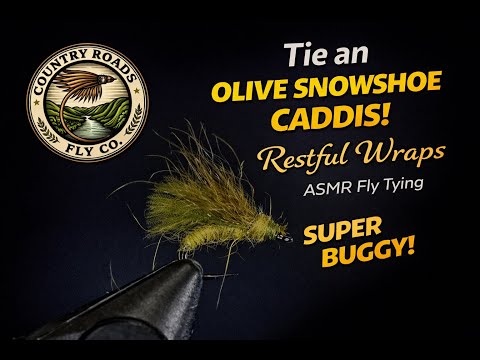
Caddisflies are among the most important insects in trout streams, often emerging in large numbers and skittering across the surface. Effective caddis patterns focus less on exact imitation and more on profile, buoyancy, and movement—qualities that trigger confident strikes. Snowshoe hare foot hair has long been valued in fly tying for its exceptional flotation and natural translucence, while CDC provides subtle motion and a low-riding footprint on the water. This Olive Snowshoe Caddis combines both materials to create a wing that floats high yet breathes naturally, making it especially effective in riffles, seams, and broken water. The olive coloration allows this pattern to cover a wide range of caddis species, functioning as both a hatch match and a versatile searching dry throughout spring and summer. This natural-material recipe produces a highly buoyant, animated dry fly with a clean caddis silhouette—perfect for fishing active caddis hatches or prospecting broken water.
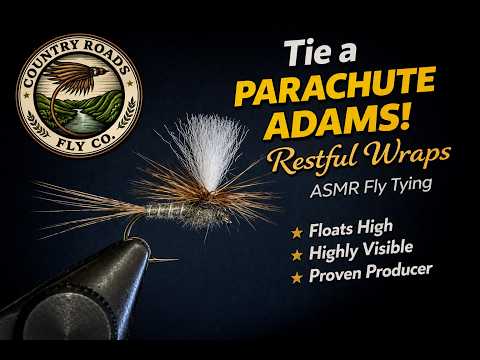
The Adams was created in 1922 by Leonard Halladay of Mayfield, Michigan, tied for his friend Charles F. Adams. It was built as a general mayfly impression rather than a match for one specific hatch, and that versatility is why it has never left anyone's box. The parachute version came later, winding the hackle flat around an upright post instead of around the shank. It sits the fly lower and shows a crisper wing profile from below — a small change that makes a real difference on selective fish.
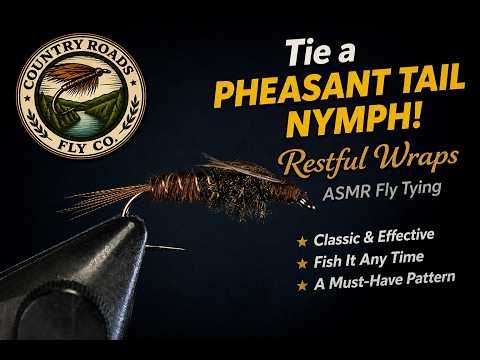
The Pheasant Tail was developed by English riverkeeper Frank Sawyer in the mid-20th century for the chalk streams of the River Avon. Sawyer's original used only pheasant tail fibers and fine copper wire — no thread at all — to imitate the baetis nymphs his trout were feeding on. The American version, often credited to Al Troth, added a peacock herl thorax and a defined wing case and legs. That's the dressing most tiers know today, and it's the one we're tying here.
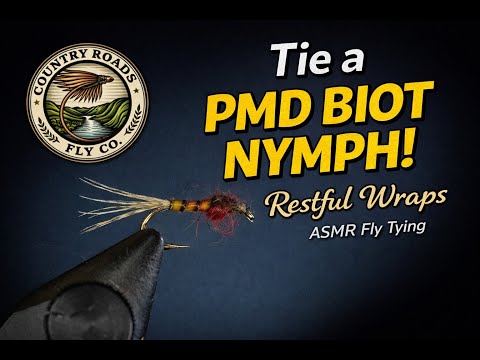
The PMD Biot Nymph is designed to imitate the nymphal stage of Pale Morning Dun (PMD) mayflies, a prolific and important hatch on many Western and Eastern tailwaters. PMD nymphs are slim, active swimmers, and trout often key in on them heavily in the days leading up to—and during—the hatch. Using a goose biot abdomen gives this pattern its defining feature: crisp segmentation and a natural taper that closely matches the real insect. Combined with soft natural materials in the thorax and tail, the PMD Biot Nymph excels at imitating drifting and emerging nymphs in clear, technical water. This style of biot-bodied nymph has become a favorite among anglers who value realism over flash, especially when fishing pressured trout or subtle presentations. This refined material combination creates a slender, segmented profile with lifelike texture—ideal for PMD hatches and selective trout.
Doug Prince's classic nymph is one of the best searching patterns in freshwater fishing. The white biot wings, peacock body, and brown hackle suggest a stonefly nymph but work when nothing specific is hatching.
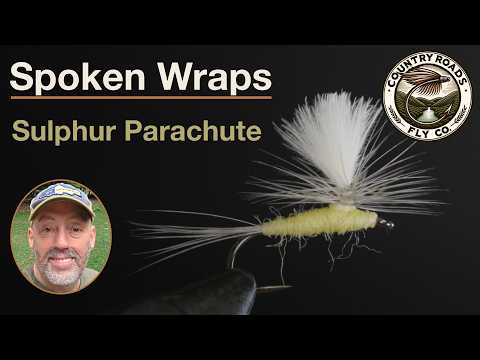
The parachute version of the sulphur dun sits flush in the film and is far more visible to the angler than the Catskill tie. Essential during the evening sulphur hatches of May and June.
The Woolly Bugger is one of the most versatile streamers in freshwater fishing. It suggests a leech, sculpin, hellgrammite, baitfish, or simply something alive and edible. Olive and brown match sculpin and leech; black provides maximum silhouette in off-color or low-light water; white imitates baitfish such as shiners and dace.