
Pattern Database
Fly tying patterns for trout water.
Fly tying patterns for trout water.
4 patterns
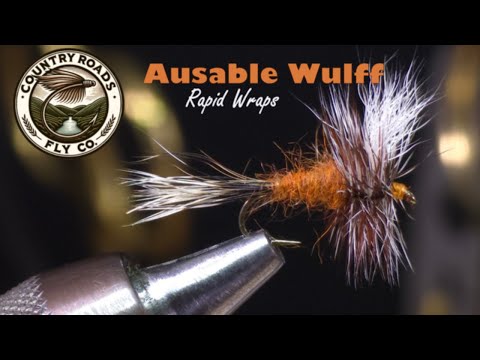
Fran Betters' Adirondack attractor is one of the great regional dry flies. The rusty/orange body and stark white wings are visible in any water, and the wide-hackle float makes it bulletproof in the pocket water of the Ausable River.
The Chernobyl Ant is an indestructible foam attractor that works as a hopper, stonefly, or large ant imitation. Its flat profile, rubber legs, and high-visibility indicator strip make it the ultimate dry-dropper indicator fly.
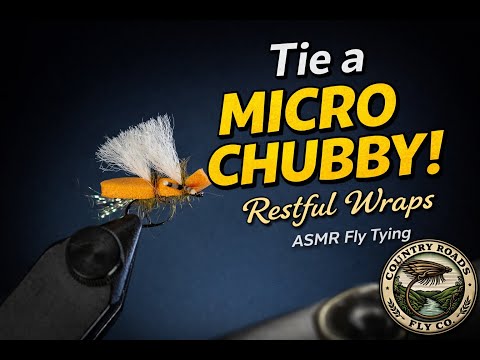
The Micro Chubby is a modern refinement of Chubby-style attractor dry flies, which trace their lineage back to the iconic Chubby Chernobyl. While the original Chubby was intentionally oversized to imitate stoneflies and hoppers, anglers quickly learned that trout often respond better to a smaller, cleaner silhouette—especially on pressured water. By downsizing the profile while keeping the core elements—foam buoyancy, rubber legs, and a visible body—the Micro Chubby excels as a searching dry fly, a terrestrial imitation, and a highly effective hopper-dropper indicator fly. Its ability to float heavy droppers while remaining subtle enough for selective trout has made it a staple in modern fly boxes.
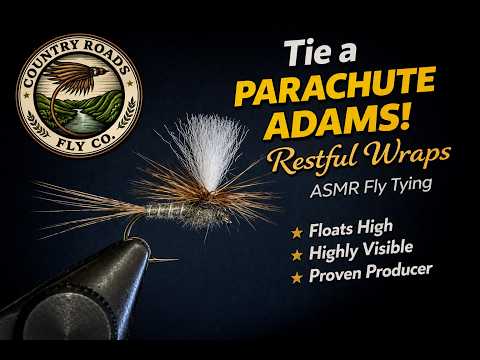
The Adams was created in 1922 by Leonard Halladay of Mayfield, Michigan, tied for his friend Charles F. Adams. It was built as a general mayfly impression rather than a match for one specific hatch, and that versatility is why it has never left anyone's box. The parachute version came later, winding the hackle flat around an upright post instead of around the shank. It sits the fly lower and shows a crisper wing profile from below — a small change that makes a real difference on selective fish.