Pattern Database
Fly tying patterns for trout water.
Fly tying patterns for trout water.
12 patterns
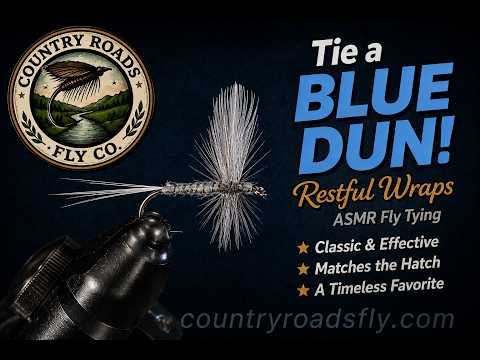
One of the oldest recorded dry fly patterns, the Blue Dun is a classic Catskill-style imitation for the small blue mayflies — Blue-Winged Olives, Mahogany Duns, and similar species. The dun hackle tips and gray body are timeless.
The Green Drake's spinner — named by Walt Dette and Ted Townsend in 1930 for the black-and-white of funeral clothes. When the big drakes return at dusk as ghost-white spinners with smoky wings, the largest fish in the pool lose their caution for half an hour. This is the fly for that half hour.
The third of Flick's Variants — all cream, for the big pale evening mayflies of high summer. A stripped cream quill body under an oversized cream hackle, no wing: at last light, when the golden drakes come off and everything on the water is a silhouette, its high stance and pale glow are exactly enough.
The darker companion to the Light Hendrickson: dark muskrat-gray body, wood duck wings, dun tail and hackle. Many Catskill anglers fish it for the darker male duns of Ephemerella subvaria while the Light Hendrickson covers the pinkish females — carry both through the late-April hatch.
Art Flick's Isonychia pattern, and the third of his great Variants: a stripped dark quill body under an oversized dark dun hackle, no wing. Slate drakes emerge by crawling out, so the dun on the water is an accident — but when they're around, this high-riding silhouette drifted down the fast slots brings slashing rises.
Art Flick's Grey Fox Variant: an oversized, mixed-hackle Catskill Variant on a stripped light-ginger quill body, with no wing — the long, variegated hackle IS the silhouette. Flick tied it for the Green Drake hatch, but it has earned its keep as a high-riding searching fly during March Brown and Gray Fox season too.
Art Flick's full-dress Catskill dry for the Grey Fox hatch — cream fox-belly fur, barred mallard flank wings, and mixed ginger-grizzly hackle. It bridges the March Browns and the Light Cahills on Eastern freestone water, and with the Variants beside it completes Flick's short, perfect list.
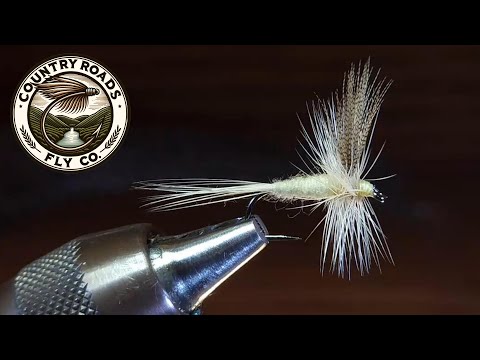
The Light Cahill is a classic Catskill dry fly imitating the cream and yellow mayflies that blanket streams in late spring and early summer. Its wood duck wing and ginger hackle are unmistakable.
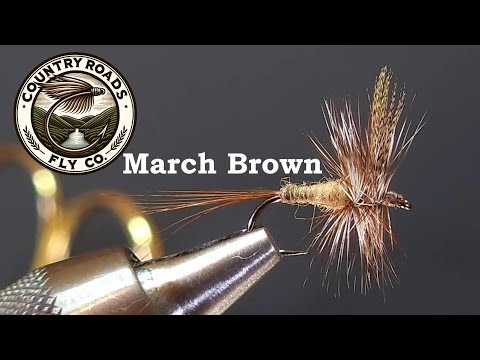
The classic Catskill March Brown — divided wood duck wings, mixed hackle, and hare's ear body. Theodore Gordon himself fished a version of this during the first great hatch of Eastern spring. A foundational American fly pattern.
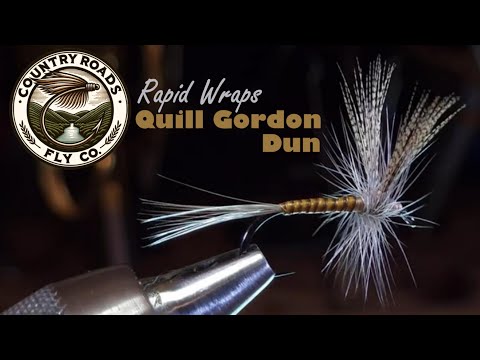
Theodore Gordon's legendary pattern for Epeorus pleuralis — the first quality dry-fly hatch of the year on Appalachian streams. The stripped peacock quill body perfectly captures the segmented look of the natural.
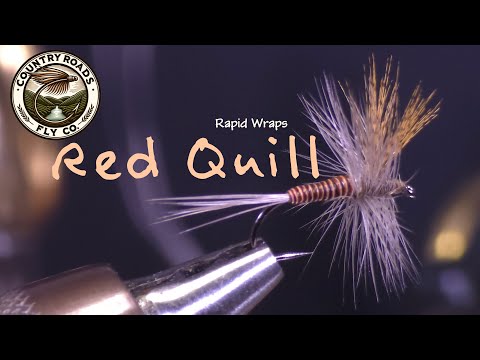
The Red Quill imitates the male Hendrickson natural — darker and smaller than the female, with a distinctive reddish-brown segmented body made from a stripped hackle quill. A Catskill classic as important as the Hendrickson itself.
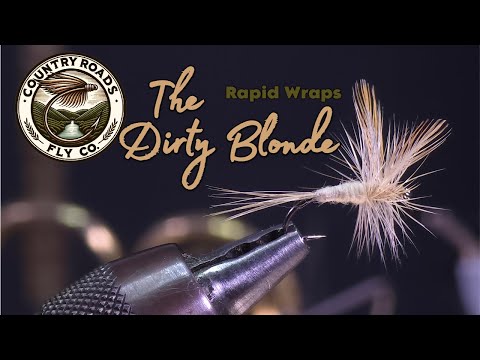
The Dirty Blonde is a versatile dry fly designed with subtle blonde tones, making it effective for imitating a variety of mayflies and caddisflies. Whether you're fishing a Pale Morning Dun hatch, a Light Cahill emergence, or general tan caddis activity, this pattern's pale yellow body and light ginger hackle give it broad appeal across seasons and water types.