
Pattern Database
Fly tying patterns for trout water.
Fly tying patterns for trout water.
9 patterns
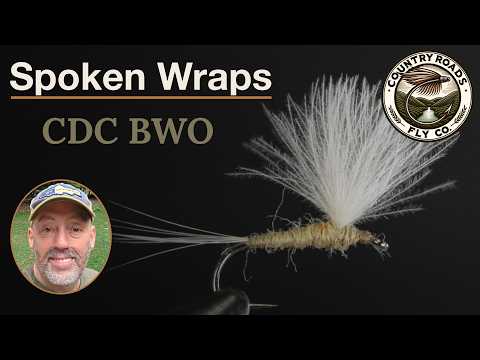
A minimalist CDC dry that relies on the feather's natural oils to float flush in the surface film. No hackle means a perfect flush silhouette on still water — exactly what selective tailwater fish demand during BWO hatches.
A flush-floating CDC caddis dry that lets CDC's natural water resistance do the heavy lifting. Effective on slow water where standard caddis patterns sit too high and create refusals. Tan and gray match Spotted Sedge and similar summer species; olive and green cover Grannom and Green Rock Worm hatches in spring.
A simple, deadly BWO emerger relying on CDC's natural water-shedding oils to float the fly in the film. The trailing Z-Lon shuck suggests a dun that never quite made it out, which is exactly what selective trout want to eat.
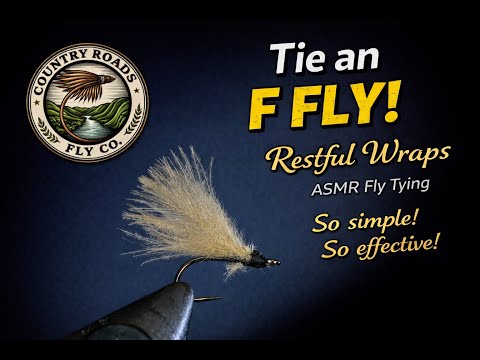
The F-Fly was developed in Europe as a highly impressionistic mayfly and midge imitation, designed specifically for pressured trout and technical water. Rather than imitating exact details, the pattern relies on profile, posture, and movement—key triggers that trout respond to when insects are trapped in the surface film. Using only CDC for the wing, the F-Fly excels at riding low, mimicking spent or emerging insects that trout feed on confidently. Its simplicity allows it to match a wide range of small mayflies and midges, making it a favorite on spring creeks, tailwaters, and slow glides. The F-Fly's minimalist design and effectiveness have earned it a permanent place among modern dry-fly staples. This ultra-simple recipe creates a low-riding silhouette with exceptional natural movement—perfect for selective trout feeding in calm, clear water.
The loop wing — a style pioneered by André Puyans in the 1960s and since adapted to CDC by many fine tiers — traps air and floats in the film with a naturalistic silhouette. The looped CDC suggests a dun wing just pulling free of the shuck, which is exactly what selective fish key on.
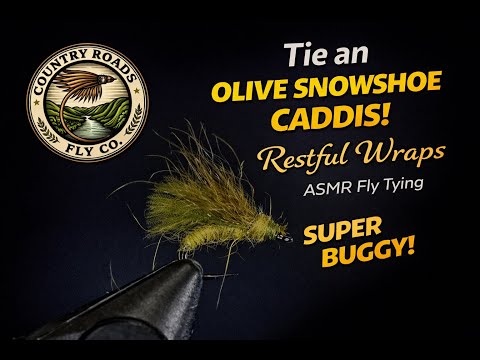
Caddisflies are among the most important insects in trout streams, often emerging in large numbers and skittering across the surface. Effective caddis patterns focus less on exact imitation and more on profile, buoyancy, and movement—qualities that trigger confident strikes. Snowshoe hare foot hair has long been valued in fly tying for its exceptional flotation and natural translucence, while CDC provides subtle motion and a low-riding footprint on the water. This Olive Snowshoe Caddis combines both materials to create a wing that floats high yet breathes naturally, making it especially effective in riffles, seams, and broken water. The olive coloration allows this pattern to cover a wide range of caddis species, functioning as both a hatch match and a versatile searching dry throughout spring and summer. This natural-material recipe produces a highly buoyant, animated dry fly with a clean caddis silhouette—perfect for fishing active caddis hatches or prospecting broken water.
The Pale Evening Dun imitates the evening-active pale mayflies — sulphurs and PMDs — that hatch in the last hour of light. A cream or pale yellow body and dun wings are essential for the selective fish these hatches produce.
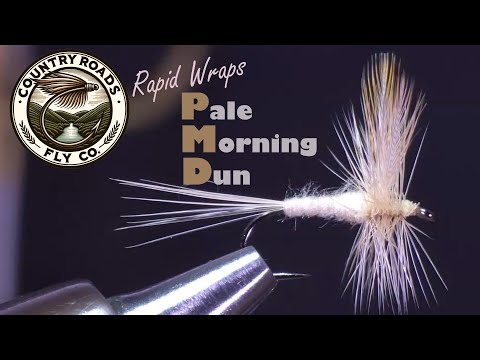
The PMD is one of the most important Western hatches and increasingly common in the East. Its pale yellow-olive body and upright dun wings demand a precise imitation for selective trout on spring creeks and tailwaters.
A no-hackle CDC caddis designed for flat tailwater pools where drag and silhouette matter more than floatation. The sparse CDC wing sits naturally in the film while the dubbing body and Z-Lon shuck sell the imitation.