
Pattern Database
Fly tying patterns for trout water.
Fly tying patterns for trout water.
9 patterns
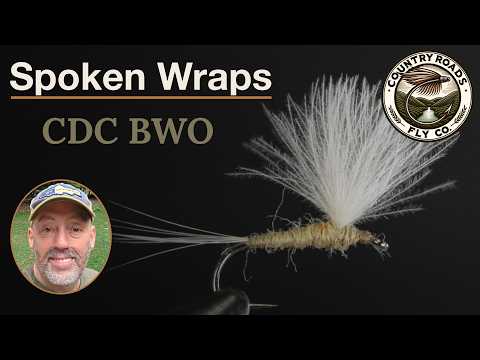
A minimalist CDC dry that relies on the feather's natural oils to float flush in the surface film. No hackle means a perfect flush silhouette on still water — exactly what selective tailwater fish demand during BWO hatches.
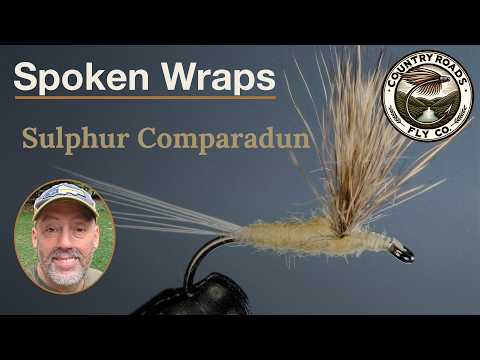
Al Caucci and Bob Nastasi's Comparadun concept changed dry-fly design. The fanned deer hair wing sits flush in the film like a natural, and the split tail provides perfect balance without hackle.
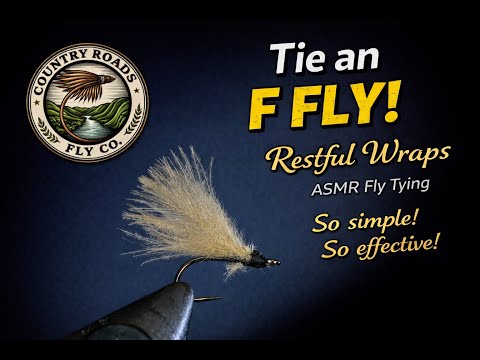
The F-Fly was developed in Europe as a highly impressionistic mayfly and midge imitation, designed specifically for pressured trout and technical water. Rather than imitating exact details, the pattern relies on profile, posture, and movement—key triggers that trout respond to when insects are trapped in the surface film. Using only CDC for the wing, the F-Fly excels at riding low, mimicking spent or emerging insects that trout feed on confidently. Its simplicity allows it to match a wide range of small mayflies and midges, making it a favorite on spring creeks, tailwaters, and slow glides. The F-Fly's minimalist design and effectiveness have earned it a permanent place among modern dry-fly staples. This ultra-simple recipe creates a low-riding silhouette with exceptional natural movement—perfect for selective trout feeding in calm, clear water.
Fran Betters's 1949 rough-water dun — the fly the Comparadun was refined from. A coarse deer-hair wing fanned upright over a buggy cream body, no hackle at all: it rides the Ausable's heavy pocket water flush and visible where delicate flies drown, and big-river browns have approved for seventy years.
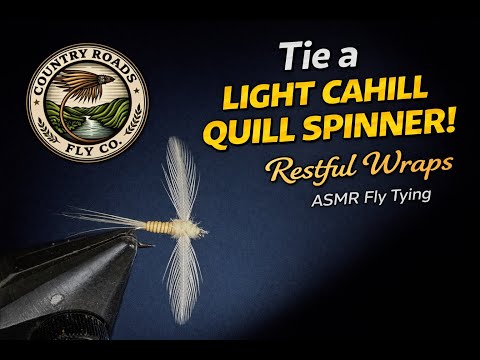
The Light Cahill Spinner represents the final stage in the life cycle of Light Cahill mayflies in genus Maccaffertium (formerly Stenonema), when spent insects return to the water to lay eggs. These spinner falls often occur in the evening and can produce some of the most selective trout feeding of the season. Traditional quill-bodied spinner patterns emphasize slender translucence, outstretched wings, and a low-riding profile — all critical elements when trout are sipping spent mayflies from smooth water. The Light Cahill Quill Spinner excels during late spring and early summer hatches on both freestone rivers and tailwaters. Its understated appearance and classic construction make it a staple pattern whenever trout are feeding confidently in low-light conditions. The traditional material selection creates a slender, translucent body with a soft, spent-wing profile — ideal for spinner falls and selective trout.
A no-hackle CDC caddis designed for flat tailwater pools where drag and silhouette matter more than floatation. The sparse CDC wing sits naturally in the film while the dubbing body and Z-Lon shuck sell the imitation.
Craig Mathews and John Juracek's Sparkle Dun pairs the Comparadun's fanned deer hair wing with a Z-Lon trailing shuck suggesting an emerging nymph. This combination triggers strikes during the most selective BWO hatches.
The Sparkle Dun scaled up for the Western Green Drake — the big early-summer mayfly that brings every large fish in the river to the surface. The fanned deer-hair wing and trailing shuck read as a drake struggling free, which is exactly the version the fish prefer to eat.
The Sparkle Dun tied to match the sulphur hatch. The trailing shuck and upright deer hair wing perfectly suggest a sulphur in the final stages of emergence — exactly what selective evening-rise fish demand.