Pattern Database
Fly tying patterns for trout water.
Fly tying patterns for trout water.
11 patterns
Canon Greenwell's 1854 olive imitation, still the standard answer to medium olives everywhere they hatch. Waxed yellow silk that turns dirty olive, a gold-ribbed body, furnace hackle, and a slate wing — a fly so successful its hackle color now carries its name.
One of the oldest and most effective wet flies in the American tradition. The peacock herl body, coachman brown hackle, and paired mallard wing suggest caddis and mayfly emergers being swept along in the current.
The North Country dressing for the March Brown: hare's fur on orange silk, ribbed gold, with a speckled brown partridge hackle. Swung through the riffles on a spring afternoon it takes fish during the hatch and between hatches alike — spiders don't need permission.
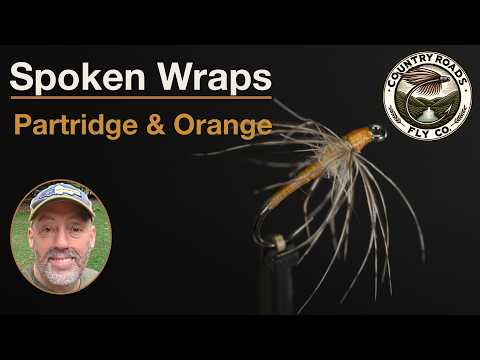
A North Country spider fished on Yorkshire's rivers for the better part of two centuries, and brought to American attention by Sylvester Nemes's soft-hackle revival. Nothing but a slim orange silk body and a turn of speckled partridge — the sparse collar pulses in the current suggesting legs, gills, or a drowned emerger.
The third of the great North Country spiders. Yellow silk and gray speckled partridge cover the pale mayflies — sulphurs, cahills, pale wateries — anywhere they hatch. Fish it upstream dead-drift like a nymph, then let it swing up at the hang.
Montana's do-everything wet: peacock body under a palmered brown hackle, a gray squirrel-tail wing, and a peacock herl head. Swing it as a caddis, strip it as a streamer, dead-drift it as a stonefly — the Picket Pin has never much cared which.
Waterhen Bloa's dark companion: purple silk and a snipe hackle, nothing more. The North Country's Iron Blue pattern — when the little dark olives with the slate wings are on the water in cold, blustery weather, this spider swung across the current is deadly.
A cross between the Gold-Ribbed Hare's Ear nymph and the soft hackle wet fly, this pattern excels swung on the downstream pass. The partridge collar pulses in the current, imitating a struggling emerger.
Peacock herl and a tiny iridescent starling hackle — the small dark soft-hackle for smutting fish. When trout are on little black stuff and refusing everything, a size 18 Starling & Herl swung or dead-drifted in the film is the old, quiet answer.
The most famous of the North Country spiders, fished on Yorkshire rivers for two centuries and still the best Large Dark Olive pattern going. Yellow silk barely shaded with blue-gray fur, and a turn of soft waterhen hackle that breathes in the current like a drowning dun's wings.
One of the oldest American wet fly patterns, the Woolly Worm predates the Woolly Bugger by decades. The palmered hackle over a chenille body suggests a caterpillar, stonefly nymph, or leech depending on how it's fished.