
Pattern Database
Fly tying patterns for trout water.
Fly tying patterns for trout water.
9 patterns
The parachute style BWO is one of the most important dry flies in a trout angler's box. The flush-floating wing and horizontal hackle present a perfect silhouette for selective fish on flat water.
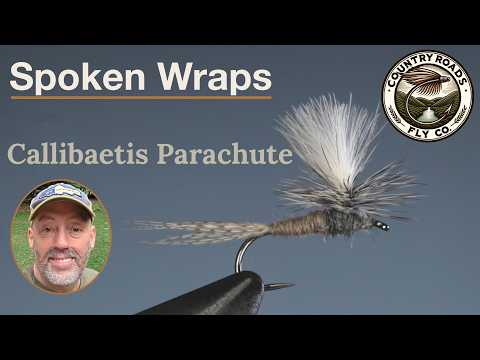
The speckled dun of lakes and spring-creek stillwaters. Callibaetis hatch reliably from late morning onward all season, and cruising fish take the duns with slow, confident rises. A gray-tan parachute with a speckled tail matches the natural's mottled look; drop it ahead of a cruiser and leave it.
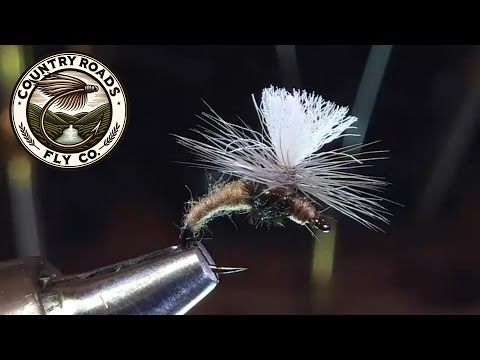
Hans van Klinken's parachute emerger changed how anglers think about surface presentation. The curved hook suspends the abdomen below the film while the poly post and parachute hackle keep it floating. Deadly during caddis and mayfly emergences.
The March Brown is a large, sporadic hatch but when it's on, trout eat aggressively. The parachute style is easier to see on riffled freestone water than the traditional Catskill tie.
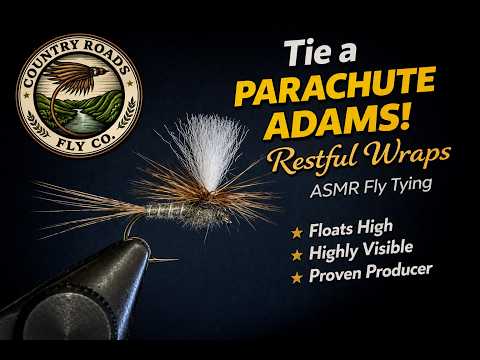
The Adams was created in 1922 by Leonard Halladay of Mayfield, Michigan, tied for his friend Charles F. Adams. It was built as a general mayfly impression rather than a match for one specific hatch, and that versatility is why it has never left anyone's box. The parachute version came later, winding the hackle flat around an upright post instead of around the shank. It sits the fly lower and shows a crisper wing profile from below — a small change that makes a real difference on selective fish.
The parachute version of the Hendrickson offers a flush-floating wing silhouette that's deadly during the first major dry fly hatch of the Eastern season. The pinkish-gray body exactly matches the natural.
The Mahogany Dun hatch is a fall sleeper — fish that have seen every fly all summer are suddenly willing to rise again. This parachute version is visible in the low autumn light and sits perfectly in the film.
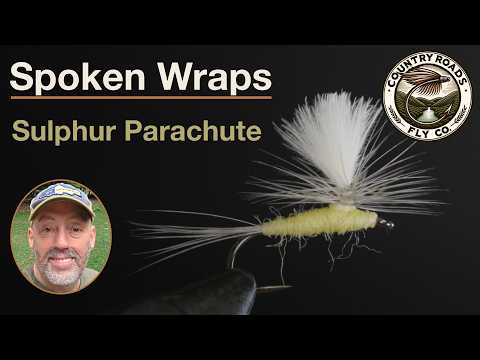
The parachute version of the sulphur dun sits flush in the film and is far more visible to the angler than the Catskill tie. Essential during the evening sulphur hatches of May and June.
The parachute version of the Yellow Sally dry sits flush and is far easier to track than the standard low-hackle version. The white poly post provides visibility without changing the silhouette that trout key on during Little Yellow Sally hatches.