
Pattern Database
Fly tying patterns for trout water.
Fly tying patterns for trout water.
10 patterns
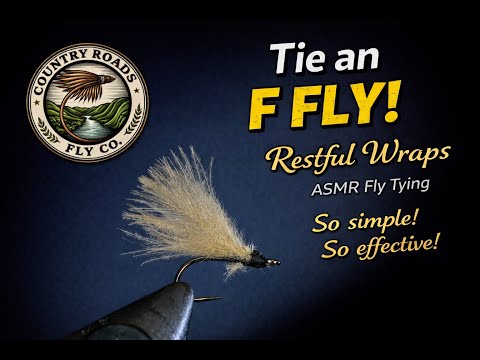
The F-Fly was developed in Europe as a highly impressionistic mayfly and midge imitation, designed specifically for pressured trout and technical water. Rather than imitating exact details, the pattern relies on profile, posture, and movement—key triggers that trout respond to when insects are trapped in the surface film. Using only CDC for the wing, the F-Fly excels at riding low, mimicking spent or emerging insects that trout feed on confidently. Its simplicity allows it to match a wide range of small mayflies and midges, making it a favorite on spring creeks, tailwaters, and slow glides. The F-Fly's minimalist design and effectiveness have earned it a permanent place among modern dry-fly staples. This ultra-simple recipe creates a low-riding silhouette with exceptional natural movement—perfect for selective trout feeding in calm, clear water.
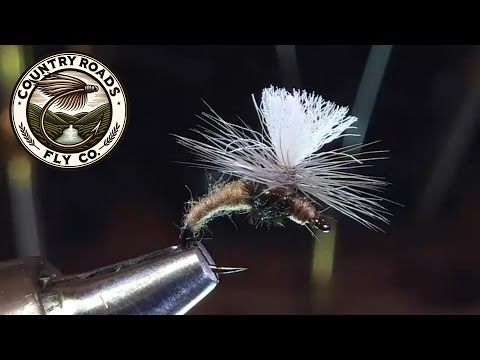
Hans van Klinken's parachute emerger changed how anglers think about surface presentation. The curved hook suspends the abdomen below the film while the poly post and parachute hackle keep it floating. Deadly during caddis and mayfly emergences.
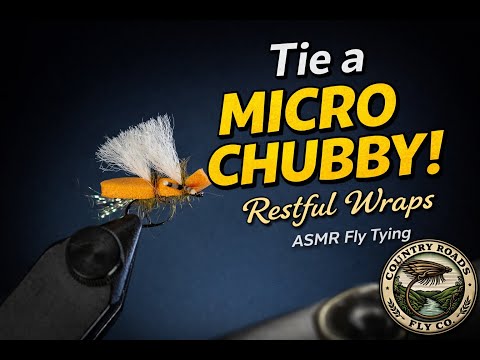
The Micro Chubby is a modern refinement of Chubby-style attractor dry flies, which trace their lineage back to the iconic Chubby Chernobyl. While the original Chubby was intentionally oversized to imitate stoneflies and hoppers, anglers quickly learned that trout often respond better to a smaller, cleaner silhouette—especially on pressured water. By downsizing the profile while keeping the core elements—foam buoyancy, rubber legs, and a visible body—the Micro Chubby excels as a searching dry fly, a terrestrial imitation, and a highly effective hopper-dropper indicator fly. Its ability to float heavy droppers while remaining subtle enough for selective trout has made it a staple in modern fly boxes.
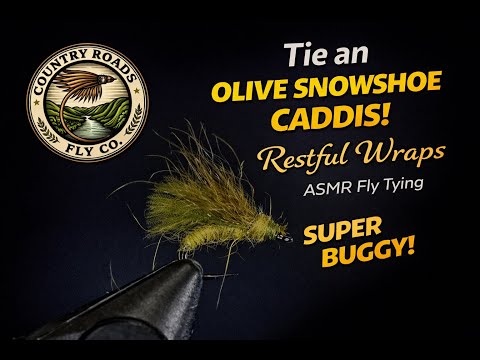
Caddisflies are among the most important insects in trout streams, often emerging in large numbers and skittering across the surface. Effective caddis patterns focus less on exact imitation and more on profile, buoyancy, and movement—qualities that trigger confident strikes. Snowshoe hare foot hair has long been valued in fly tying for its exceptional flotation and natural translucence, while CDC provides subtle motion and a low-riding footprint on the water. This Olive Snowshoe Caddis combines both materials to create a wing that floats high yet breathes naturally, making it especially effective in riffles, seams, and broken water. The olive coloration allows this pattern to cover a wide range of caddis species, functioning as both a hatch match and a versatile searching dry throughout spring and summer. This natural-material recipe produces a highly buoyant, animated dry fly with a clean caddis silhouette—perfect for fishing active caddis hatches or prospecting broken water.
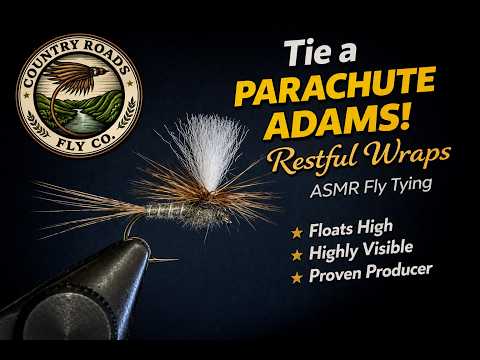
The Adams was created in 1922 by Leonard Halladay of Mayfield, Michigan, tied for his friend Charles F. Adams. It was built as a general mayfly impression rather than a match for one specific hatch, and that versatility is why it has never left anyone's box. The parachute version came later, winding the hackle flat around an upright post instead of around the shank. It sits the fly lower and shows a crisper wing profile from below — a small change that makes a real difference on selective fish.
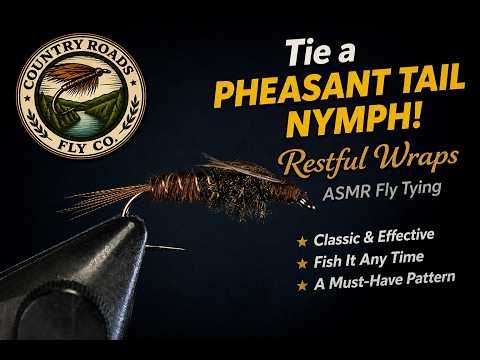
The Pheasant Tail was developed by English riverkeeper Frank Sawyer in the mid-20th century for the chalk streams of the River Avon. Sawyer's original used only pheasant tail fibers and fine copper wire — no thread at all — to imitate the baetis nymphs his trout were feeding on. The American version, often credited to Al Troth, added a peacock herl thorax and a defined wing case and legs. That's the dressing most tiers know today, and it's the one we're tying here.
Montana's do-everything wet: peacock body under a palmered brown hackle, a gray squirrel-tail wing, and a peacock herl head. Swing it as a caddis, strip it as a streamer, dead-drift it as a stonefly — the Picket Pin has never much cared which.
Dave Whitlock's favorite fly — he said if he had one nymph, this would be it. The orange-tan belly fur of a red fox squirrel for the abdomen, the darker back fur for the thorax, ribbed with gold: a warm, buggy, all-purpose nymph that looks a little like everything trout eat.
Taylor Williams' Renegade is unlike any other fly — a brown hackle collar at the rear, peacock herl body, and white hackle collar at the front. It imitates nothing specific and attracts everything. One of the great Western searching patterns.
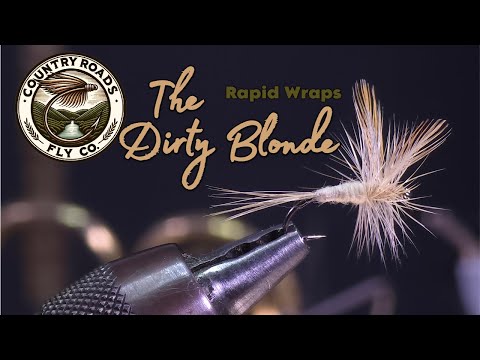
The Dirty Blonde is a versatile dry fly designed with subtle blonde tones, making it effective for imitating a variety of mayflies and caddisflies. Whether you're fishing a Pale Morning Dun hatch, a Light Cahill emergence, or general tan caddis activity, this pattern's pale yellow body and light ginger hackle give it broad appeal across seasons and water types.