Pattern Database
Fly tying patterns for trout water.
Fly tying patterns for trout water.
22 patterns
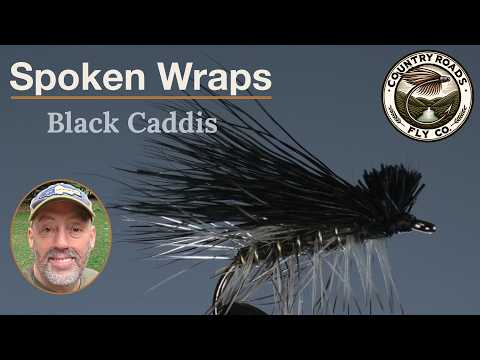
The Mother's Day caddis blizzard — dark little caddis in astonishing numbers just as spring flows drop into shape. A dark body under a black downwing is all the imitation the hatch needs; the hard part is picking your fly out of the crowd on the water.
Herb Welch's 1927 Maine featherwing — black floss and silver under a white wing, with yellow at throat and tail. Built for landlocked salmon and squaretail brook trout chasing smelt, and still one of the most elegant streamers ever tied. Swing it on a long line through cold water.
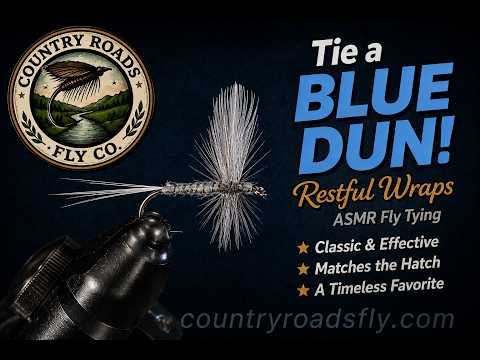
One of the oldest recorded dry fly patterns, the Blue Dun is a classic Catskill-style imitation for the small blue mayflies — Blue-Winged Olives, Mahogany Duns, and similar species. The dun hackle tips and gray body are timeless.
A flush-floating CDC caddis dry that lets CDC's natural water resistance do the heavy lifting. Effective on slow water where standard caddis patterns sit too high and create refusals. Tan and gray match Spotted Sedge and similar summer species; olive and green cover Grannom and Green Rock Worm hatches in spring.
The darker companion to the Light Hendrickson: dark muskrat-gray body, wood duck wings, dun tail and hackle. Many Catskill anglers fish it for the darker male duns of Ephemerella subvaria while the Light Hendrickson covers the pinkish females — carry both through the late-April hatch.
The egg fly, perfected in the 1970s on California's Sacramento tributaries. Spun-and-flared egg yarn clipped to a perfect orb, with an optional contrasting blood dot. During any spawn — suckers in spring, browns and brookies in fall — drifting eggs are simply what the river serves.
Carrie Stevens's 1924 masterpiece, tied to imitate the smelt of Maine's Rangeley lakes and still the most famous streamer in America. An orange floss body under gray saddles, golden pheasant crests, white bucktail, and a silver pheasant shoulder — a fly worth tying slowly and fishing with conviction.
Canon Greenwell's 1854 olive imitation, still the standard answer to medium olives everywhere they hatch. Waxed yellow silk that turns dirty olive, a gold-ribbed body, furnace hackle, and a slate wing — a fly so successful its hackle color now carries its name.
Art Flick's full-dress Catskill dry for the Grey Fox hatch — cream fox-belly fur, barred mallard flank wings, and mixed ginger-grizzly hackle. It bridges the March Browns and the Light Cahills on Eastern freestone water, and with the Variants beside it completes Flick's short, perfect list.
One of the oldest and most effective wet flies in the American tradition. The peacock herl body, coachman brown hackle, and paired mallard wing suggest caddis and mayfly emergers being swept along in the current.
The little black stoneflies (Capnia and Allocapnia) are the first dry-fly action of the year — small dark stones crawling and fluttering on late-winter afternoons. A slim black body, a low dark wing, and a few turns of black hackle are all it takes; presentation matters more than precision this early.
The subsurface half of the early black stonefly hatch. Little black stone nymphs migrate toward the banks before crawling out, and a slim black nymph drifted along the edges in February and March is often the first productive nymphing of the year.
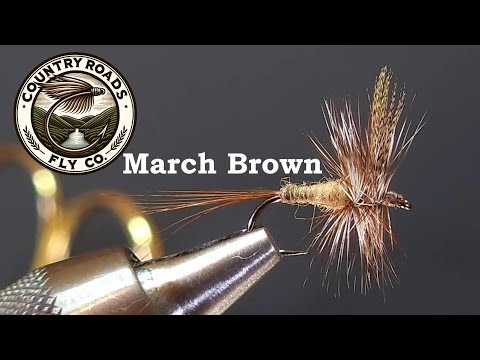
The classic Catskill March Brown — divided wood duck wings, mixed hackle, and hare's ear body. Theodore Gordon himself fished a version of this during the first great hatch of Eastern spring. A foundational American fly pattern.
The March Brown is a large, sporadic hatch but when it's on, trout eat aggressively. The parachute style is easier to see on riffled freestone water than the traditional Catskill tie.
The North Country dressing for the March Brown: hare's fur on orange silk, ribbed gold, with a speckled brown partridge hackle. Swung through the riffles on a spring afternoon it takes fish during the hatch and between hatches alike — spiders don't need permission.
The parachute version of the Hendrickson offers a flush-floating wing silhouette that's deadly during the first major dry fly hatch of the Eastern season. The pinkish-gray body exactly matches the natural.
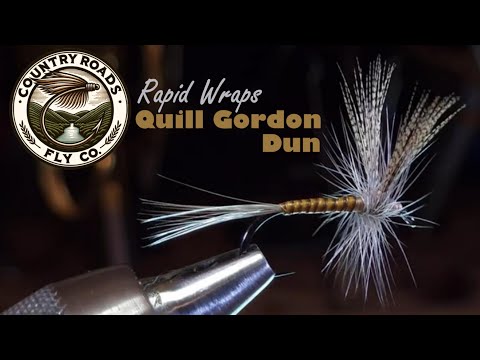
Theodore Gordon's legendary pattern for Epeorus pleuralis — the first quality dry-fly hatch of the year on Appalachian streams. The stripped peacock quill body perfectly captures the segmented look of the natural.
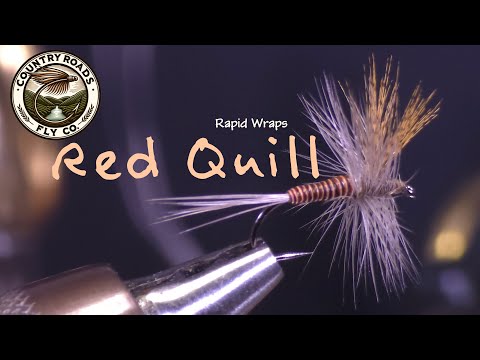
The Red Quill imitates the male Hendrickson natural — darker and smaller than the female, with a distinctive reddish-brown segmented body made from a stripped hackle quill. A Catskill classic as important as the Hendrickson itself.
Skwalas bring up the West's first big dry-fly eats of the year — olive-brown stoneflies on the water while the cottonwoods are still bare. A low-riding olive-brown body, dark elk wing, and rubber legs cover the hatch; fish it tight to the banks on March and April afternoons.
Waterhen Bloa's dark companion: purple silk and a snipe hackle, nothing more. The North Country's Iron Blue pattern — when the little dark olives with the slate wings are on the water in cold, blustery weather, this spider swung across the current is deadly.
The mid-Atlantic's egg cluster — rows of soft yarn loops suggesting a drifting clump of sucker eggs. Born in Pennsylvania steelhead country and equally at home on Appalachian trout streams every spring when the suckers run gravel. Cream and orange, dead-drifted on the bottom.
The most famous of the North Country spiders, fished on Yorkshire rivers for two centuries and still the best Large Dark Olive pattern going. Yellow silk barely shaded with blue-gray fur, and a turn of soft waterhen hackle that breathes in the current like a drowning dun's wings.