
Pattern Database
Fly tying patterns for trout water.
Fly tying patterns for trout water.
35 patterns
The tungsten bead version of Sawyer's classic nymph gets deep quickly and adds just enough flash to trigger strikes. The most productive nymph variation for most North American trout streams.
The Chernobyl Ant is an indestructible foam attractor that works as a hopper, stonefly, or large ant imitation. Its flat profile, rubber legs, and high-visibility indicator strip make it the ultimate dry-dropper indicator fly.
Bob Clouser's dumbbell-eyed minnow pattern may be the most versatile streamer ever invented. The inverted hook rides point-up, reducing snags. Chartreuse/white is the go-to for most freshwater conditions; olive/white on overcast days; pink/white for stained water.
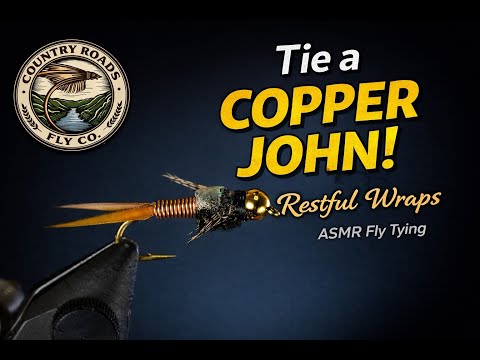
John Barr's Copper John sinks like a stone and triggers strikes with its metallic wire body and reflective wing case. One of the most effective fast-water nymphs of the last 30 years.
Dave Whitlock's yarn-and-deer-hair hopper has been the standard against which hopper patterns are measured since the 1970s. A red deer-hair tail with a loop of yellow yarn over it, a clipped brown palmer over the yellow body, mottled turkey wing, knotted pheasant-tail kicker legs, and a spun deer-hair head with a trailing collar. No foam anywhere — it earns its float the traditional way.
A close cousin to the Elk Hair Caddis but tied with deer hair for a darker, lower-riding silhouette. Excellent for evening caddis activity when fish are sipping low and refusing higher-floating patterns.
The classic Hare's Ear nymph with a pearl flashback wing case that catches light and triggers strikes. The subtle flash suggests the gas bubble of an emerging nymph — a small change that consistently out-fishes the standard version.
Southwestern Pennsylvania's gift to everyone who just wants to catch trout: a chartreuse chenille loop tail and a chartreuse chenille body. Inchworm, caddis larva, egg — the fish decide, and in Appalachian freestone water they decide fast. No apologies necessary.
Bob Clouser and Lefty Kreh's hybrid — a Clouser Minnow up front, a Deceiver behind. The dumbbell eyes jig, the saddle-hackle tail swims, and together they move more water than either parent. The big-fish fly for smallmouth rivers, and it crosses to trout, stripers, and anything else that eats minnows.
The gold-ribbed hare's ear is the all-purpose nymph of Eastern trout fishing. Its rough, buggy dubbing imitates caddis pupae, mayfly nymphs, and small crustaceans with equal conviction.
Pat Barnes' Sofa Pillow improved with a palmered body hackle for extra flotation. One of the premier golden stonefly adult imitations in Western fly fishing — large, buoyant, and visible in heavy current.
Craig Mathews and John Juracek's caddis emerger — the summer-evening fly on the Madison and everywhere else caddis outnumber anglers. The arched Z-Lon loop over the thorax catches light like an unfolding wing; fished dead-drift in the film with no floatant on the body, it takes the fish that refuse every high-riding adult.
Ed Shenk's all-black companion to his Letort Hopper, built for the same demanding limestone flats. Black fur body, black quill wing tied flat, black deer-hair head with trailing collar — no hackle, no flash. On late-summer spring creeks a cricket often out-fishes the hopper it shadows.
Ed Shenk's Letort Hopper was built for the flat, glassy limestone water of Pennsylvania's Letort Spring Run, where a bushy hopper draws refusals. It has no hackle at all: a yellow fur body, a flat mottled turkey wing, and a spun deer-hair head whose tips sweep back as a collar. The low, flush profile is the whole point.
Doug Swisher's bullet-head rubber-legs attractor. One bunch of deer hair supplies tail, back, and the folded bullet head; white rubber legs cross at the sides in the X that names the fly. Hopper, stonefly, general commotion — pounded along grassy banks it draws the year's most emphatic eats.
Pat Dorsey's South Platte staple, named for the silver-lined glass bead that glints like the gas bubble of an emerging midge. White thread and a copper rib — that's the entire fly, and on technical tailwaters it is quietly devastating.
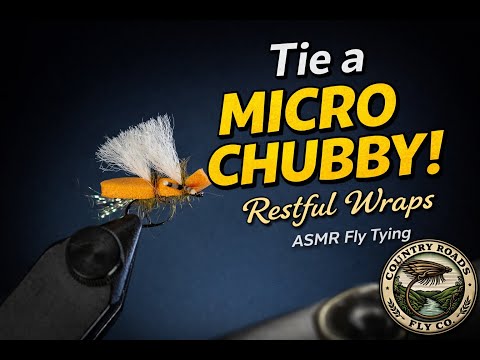
The Micro Chubby is a modern refinement of Chubby-style attractor dry flies, which trace their lineage back to the iconic Chubby Chernobyl. While the original Chubby was intentionally oversized to imitate stoneflies and hoppers, anglers quickly learned that trout often respond better to a smaller, cleaner silhouette—especially on pressured water. By downsizing the profile while keeping the core elements—foam buoyancy, rubber legs, and a visible body—the Micro Chubby excels as a searching dry fly, a terrestrial imitation, and a highly effective hopper-dropper indicator fly. Its ability to float heavy droppers while remaining subtle enough for selective trout has made it a staple in modern fly boxes.
Dave Whitlock's impressionistic crayfish — 'near enough' to fool everything that eats them, which on smallmouth rivers is everything with fins. Painted dumbbell eyes flip it claws-up to crawl the bottom, soft hen-feather pincers wave in the current, and a palmered rusty body does the rest.
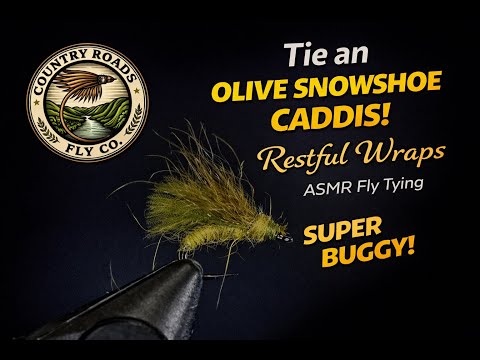
Caddisflies are among the most important insects in trout streams, often emerging in large numbers and skittering across the surface. Effective caddis patterns focus less on exact imitation and more on profile, buoyancy, and movement—qualities that trigger confident strikes. Snowshoe hare foot hair has long been valued in fly tying for its exceptional flotation and natural translucence, while CDC provides subtle motion and a low-riding footprint on the water. This Olive Snowshoe Caddis combines both materials to create a wing that floats high yet breathes naturally, making it especially effective in riffles, seams, and broken water. The olive coloration allows this pattern to cover a wide range of caddis species, functioning as both a hatch match and a versatile searching dry throughout spring and summer. This natural-material recipe produces a highly buoyant, animated dry fly with a clean caddis silhouette—perfect for fishing active caddis hatches or prospecting broken water.
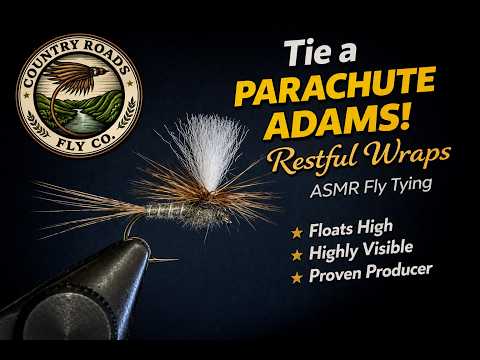
The Adams was created in 1922 by Leonard Halladay of Mayfield, Michigan, tied for his friend Charles F. Adams. It was built as a general mayfly impression rather than a match for one specific hatch, and that versatility is why it has never left anyone's box. The parachute version came later, winding the hackle flat around an upright post instead of around the shank. It sits the fly lower and shows a crisper wing profile from below — a small change that makes a real difference on selective fish.
A heavily weighted stonefly nymph that gets to the bottom fast and stays there — the standard anchor fly on Western freestone rigs. A variegated chenille body with three pairs of living rubber legs, plus leg-material tail and antennae, wiggling at drift speed. Crude at the vise, lethal in the water.
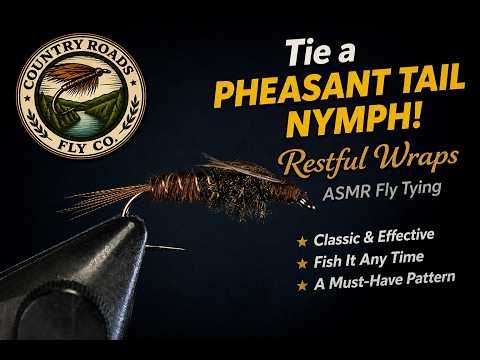
The Pheasant Tail was developed by English riverkeeper Frank Sawyer in the mid-20th century for the chalk streams of the River Avon. Sawyer's original used only pheasant tail fibers and fine copper wire — no thread at all — to imitate the baetis nymphs his trout were feeding on. The American version, often credited to Al Troth, added a peacock herl thorax and a defined wing case and legs. That's the dressing most tiers know today, and it's the one we're tying here.
Doug Prince's classic nymph is one of the best searching patterns in freshwater fishing. The white biot wings, peacock body, and brown hackle suggest a stonefly nymph but work when nothing specific is hatching.
The Bighorn's famous sowbug, named because it is so simple even a blind man could tie it — and so effective nobody minds the joke. Three materials: ostrich herl for the legs-everywhere silhouette, a pearl flash back, and a red thread head as the trigger.
Dave Whitlock's favorite fly — he said if he had one nymph, this would be it. The orange-tan belly fur of a red fox squirrel for the abdomen, the darker back fur for the thorax, ribbed with gold: a warm, buggy, all-purpose nymph that looks a little like everything trout eat.
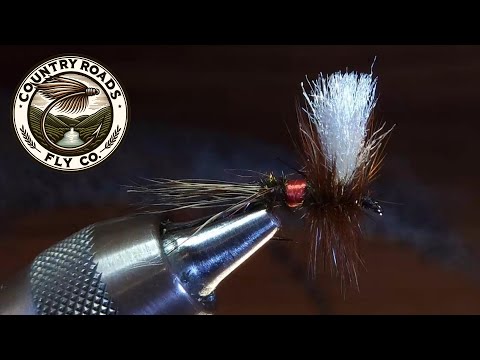
Lee Wulff's iconic attractor dry fly. The peacock-red-peacock body makes it visible in rough water, and white calf tail wings make it easy to see from a distance. One of the most recognizable flies ever created.
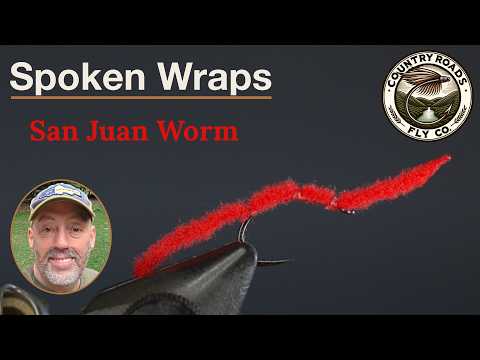
Named after the San Juan River in New Mexico, this simple worm pattern represents aquatic worms that get dislodged in high water and during runoff. Controversial in some circles, devastatingly effective in all circles. Red is the most popular color, but pink and wine produce on pressured fish.
The Madison River's twisted-yarn midge, popularized by Blue Ribbon Flies. A cord of twisted Z-Lon makes the segmented abdomen; a clipped tuft of deer hair makes the emerging wing bud. Red, olive, and brown, sizes 16–20, cover most of what a Western river calls midges and small caddis.
A cross between the Gold-Ribbed Hare's Ear nymph and the soft hackle wet fly, this pattern excels swung on the downstream pass. The partridge collar pulses in the current, imitating a struggling emerger.
Controversial in some circles and devastating in all of them, the Squirmy Wormy uses a silicone worm material that moves seductively in current. Particularly effective in high, off-color water after rain when actual aquatic worms wash into the stream.
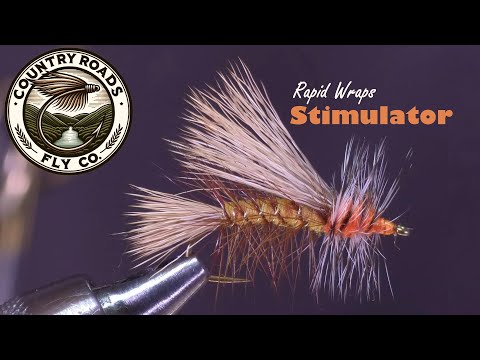
Randall Kaufmann's Stimulator is the king of attractor dry flies for Western-style fast water. Its elk hair wing, palmered hackle, and bold body trigger strikes on everything from trout to steelhead. Yellow imitates Yellow Sallies and small stoneflies; orange targets Golden Stones and Salmonflies; chartreuse and tan serve as general attractors.
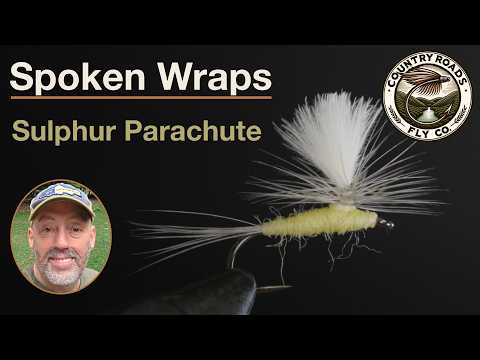
The parachute version of the sulphur dun sits flush in the film and is far more visible to the angler than the Catskill tie. Essential during the evening sulphur hatches of May and June.
Dorsey's emerging-midge companion to the Mercury Midge: dark brown body ribbed with white thread, a rusty dubbed thorax, and a stub of bright white wing material breaking the profile — the pupa at the moment of eclosion. A first-string dropper on any winter tailwater rig.
Guy Turck's 1990 Jackson Hole One Fly winner — the attractor that ate the West. Golden pheasant tippet tail, hare's ear body, a calf-and-flash wing under a spun deer muddler head, rubber legs off the sides. Floats a dropper all day, gets eaten on its own all evening.
The Woolly Bugger is one of the most versatile streamers in freshwater fishing. It suggests a leech, sculpin, hellgrammite, baitfish, or simply something alive and edible. Olive and brown match sculpin and leech; black provides maximum silhouette in off-color or low-light water; white imitates baitfish such as shiners and dace.