Pattern Database
Fly tying patterns for trout water.
Fly tying patterns for trout water.
28 patterns
The Irresistible body style pairs with Adams coloring for an unsinkable attractor dry. Spun and clipped deer hair creates a body that floats like a cork through heavy pocket water.
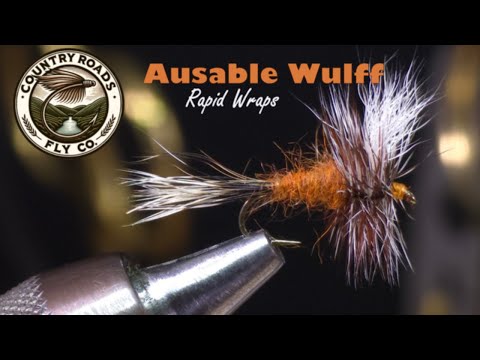
Fran Betters' Adirondack attractor is one of the great regional dry flies. The rusty/orange body and stark white wings are visible in any water, and the wide-hackle float makes it bulletproof in the pocket water of the Ausable River.
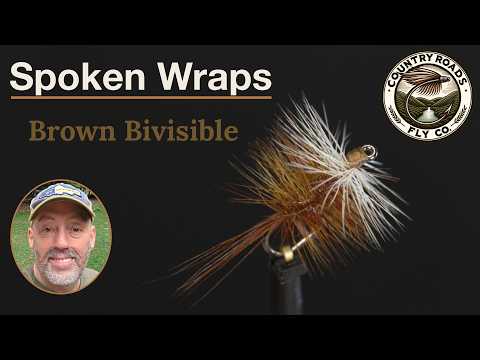
Edward Hewitt's all-hackle floater: brown hackle palmered nose-to-tail, finished with white turns at the front — visible to the fish (bi-) and to you (-visible). No body, no wing, nothing to sink. Skate it, drift it, drown it and fish it wet; the Bivisible has been un-killable since the 1920s.
The Chernobyl Ant is an indestructible foam attractor that works as a hopper, stonefly, or large ant imitation. Its flat profile, rubber legs, and high-visibility indicator strip make it the ultimate dry-dropper indicator fly.
Dave Whitlock's yarn-and-deer-hair hopper has been the standard against which hopper patterns are measured since the 1970s. A red deer-hair tail with a loop of yellow yarn over it, a clipped brown palmer over the yellow body, mottled turkey wing, knotted pheasant-tail kicker legs, and a spun deer-hair head with a trailing collar. No foam anywhere — it earns its float the traditional way.
The egg fly, perfected in the 1970s on California's Sacramento tributaries. Spun-and-flared egg yarn clipped to a perfect orb, with an optional contrasting blood dot. During any spawn — suckers in spring, browns and brookies in fall — drifting eggs are simply what the river serves.
The Goddard Caddis uses spun and clipped deer hair to create a tent-shaped body that is virtually unsinkable. Exceptional in fast, broken water where high flotation matters more than delicacy.
Lee Wulff's hair-wing answer to fragile Catskill duns — a gray-bodied, brown-winged dry that floats through water that would drown a quill-and-hackle fly. On UK and Irish waters it earned a second life as the standard Mayfly (Ephemera danica) dun. Rough water, big duns, bad light: this is the fly.
Bob Clouser and Lefty Kreh's hybrid — a Clouser Minnow up front, a Deceiver behind. The dumbbell eyes jig, the saddle-hackle tail swims, and together they move more water than either parent. The big-fish fly for smallmouth rivers, and it crosses to trout, stripers, and anything else that eats minnows.
Fran Betters's 1949 rough-water dun — the fly the Comparadun was refined from. A coarse deer-hair wing fanned upright over a buggy cream body, no hackle at all: it rides the Ausable's heavy pocket water flush and visible where delicate flies drown, and big-river browns have approved for seventy years.
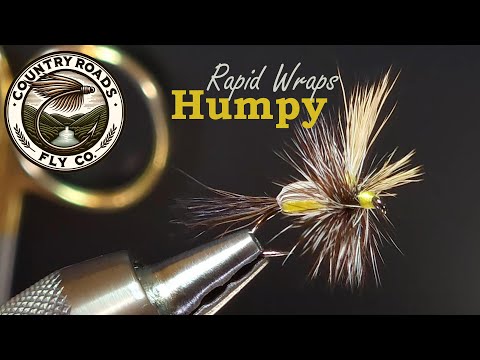
The Humpy is one of the most recognizable Western attractor dry flies. The deer hair hump traps air for unsinkable flotation, making it perfect for rough freestone pocket water. Yellow suggests stoneflies and caddis; red is a general attractor; the Royal Humpy adds the peacock-floss-peacock body of the Royal Coachman.
Pat Barnes' Sofa Pillow improved with a palmered body hackle for extra flotation. One of the premier golden stonefly adult imitations in Western fly fishing — large, buoyant, and visible in heavy current.
Randall Kaufmann's big black stonefly nymph — the standard salmonfly imitation for forty years. Heavily weighted, biot-tailed, with three notched turkey wing cases over a picked-out black body, it crawls the bottom of heavy Western water where the giant stones live for years before they ever see the bank.
Doug Swisher's bullet-head rubber-legs attractor. One bunch of deer hair supplies tail, back, and the folded bullet head; white rubber legs cross at the sides in the X that names the fly. Hopper, stonefly, general commotion — pounded along grassy banks it draws the year's most emphatic eats.
A strand of mop chenille on a hook. Purists grimace, fish do not: the fat, translucent finger reads as a crane fly larva or a grub, and it has won enough competitions that nobody laughs anymore. Chartreuse and cream are the standards; fish it like any heavy nymph.
A heavily weighted stonefly nymph that gets to the bottom fast and stays there — the standard anchor fly on Western freestone rigs. A variegated chenille body with three pairs of living rubber legs, plus leg-material tail and antennae, wiggling at drift speed. Crude at the vise, lethal in the water.
The Rat-Faced McDougal pairs a spun-and-clipped deer hair body with white calf tail wings and ginger hackle. The deer hair body is nearly unsinkable — excellent in fast water where buoyancy beats precision.
The Royal Humpy pairs the Humpy's deer-hair hump with a red floss underbody and upright white calf-tail wings — the red flash below, the white wings above. A rough-water attractor you can track in any light, popularized by Jack Dennis's Western Trout Fly Tying Manual.
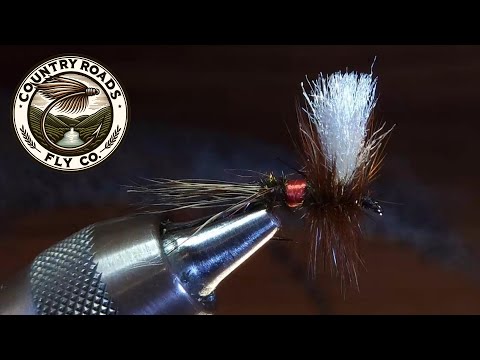
Lee Wulff's iconic attractor dry fly. The peacock-red-peacock body makes it visible in rough water, and white calf tail wings make it easy to see from a distance. One of the most recognizable flies ever created.
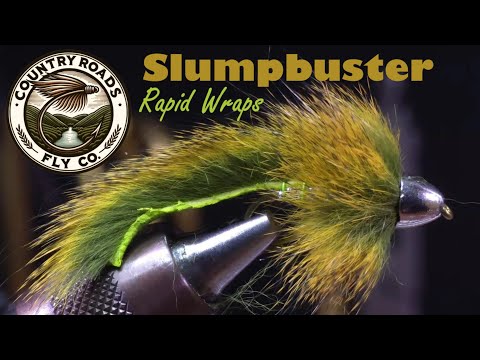
John Barr's Slumpbuster combines a rabbit strip tail with a pine squirrel or rabbit strip body for maximum pulsation and bulk. The cone head gets it deep quickly. A fish-catcher when nothing else works. Olive and brown match sculpin and crayfish; black excels in off-color or low-light conditions.
Controversial in some circles and devastating in all of them, the Squirmy Wormy uses a silicone worm material that moves seductively in current. Particularly effective in high, off-color water after rain when actual aquatic worms wash into the stream.
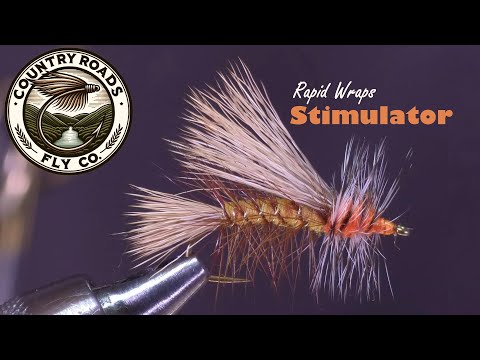
Randall Kaufmann's Stimulator is the king of attractor dry flies for Western-style fast water. Its elk hair wing, palmered hackle, and bold body trigger strikes on everything from trout to steelhead. Yellow imitates Yellow Sallies and small stoneflies; orange targets Golden Stones and Salmonflies; chartreuse and tan serve as general attractors.
Fran Betters's Ausable River fly, named for his answer when asked what they were biting on. Nothing but snowshoe hare's foot — tail, wing, and the rusty-cream underfur dubbed for the body — on hot orange thread. It floats like a cork through pocket water, refuses to sink, and imitates whatever the fish decide it is.
Guy Turck's 1990 Jackson Hole One Fly winner — the attractor that ate the West. Golden pheasant tippet tail, hare's ear body, a calf-and-flash wing under a spun deer muddler head, rubber legs off the sides. Floats a dropper all day, gets eaten on its own all evening.
The Woolly Bugger is one of the most versatile streamers in freshwater fishing. It suggests a leech, sculpin, hellgrammite, baitfish, or simply something alive and edible. Olive and brown match sculpin and leech; black provides maximum silhouette in off-color or low-light water; white imitates baitfish such as shiners and dace.
One of the oldest American wet fly patterns, the Woolly Worm predates the Woolly Bugger by decades. The palmered hackle over a chenille body suggests a caterpillar, stonefly nymph, or leech depending on how it's fished.
Dan Byford's rabbit-strip baitfish — the fly that made the zonker strip a category. A pearl mylar body flashes like a minnow's flank while the fur strip swims over the top with an action no feather can match. Natural for sculpin-brown, white or olive for baitfish; it all works.
Kelly Galloup's neutrally buoyant sculpin — the fly that helped launch modern streamer fishing. The broad deer-hair head is left loose so the fly hovers and darts side-to-side on the strip instead of sinking away. Fished on a sinking line, banged off the banks, it hunts big browns.