
Pattern Database
Fly tying patterns for trout water.
Fly tying patterns for trout water.
21 patterns
John Barr's BWO emerger, designed in the 1970s and a tailwater staple ever since. A drab, flush-riding pattern: stiff brown hackle fibers imitate the trailing shuck, a slim olive-brown abdomen suggests the nymph, and a dark dun wing case pulled over the thorax — its leftover tips swept back as legs — captures the dun struggling free of the shuck.
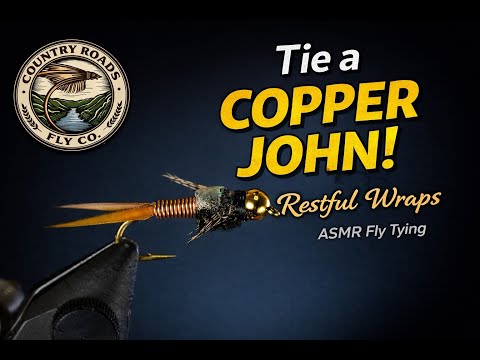
John Barr's Copper John sinks like a stone and triggers strikes with its metallic wire body and reflective wing case. One of the most effective fast-water nymphs of the last 30 years.
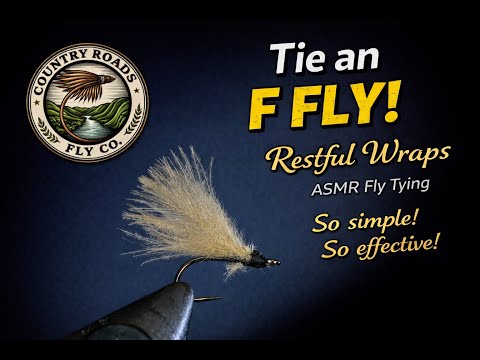
The F-Fly was developed in Europe as a highly impressionistic mayfly and midge imitation, designed specifically for pressured trout and technical water. Rather than imitating exact details, the pattern relies on profile, posture, and movement—key triggers that trout respond to when insects are trapped in the surface film. Using only CDC for the wing, the F-Fly excels at riding low, mimicking spent or emerging insects that trout feed on confidently. Its simplicity allows it to match a wide range of small mayflies and midges, making it a favorite on spring creeks, tailwaters, and slow glides. The F-Fly's minimalist design and effectiveness have earned it a permanent place among modern dry-fly staples. This ultra-simple recipe creates a low-riding silhouette with exceptional natural movement—perfect for selective trout feeding in calm, clear water.
Lance Egan's competition-born Frenchie is a Pheasant Tail nymph with a hot spot thorax. The pink (or hot orange) dubbing creates a trigger point that consistently outperforms the unmodified original.
Craig Mathews and John Juracek's caddis emerger — the summer-evening fly on the Madison and everywhere else caddis outnumber anglers. The arched Z-Lon loop over the thorax catches light like an unfolding wing; fished dead-drift in the film with no floatant on the body, it takes the fish that refuse every high-riding adult.
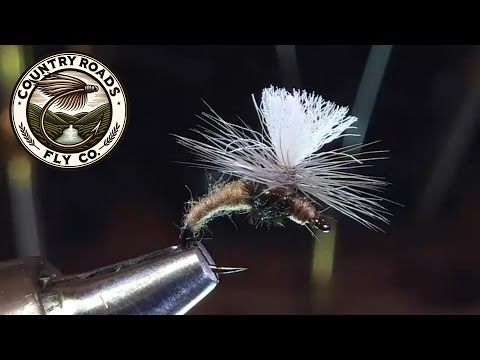
Hans van Klinken's parachute emerger changed how anglers think about surface presentation. The curved hook suspends the abdomen below the film while the poly post and parachute hackle keep it floating. Deadly during caddis and mayfly emergences.
The loop wing — a style pioneered by André Puyans in the 1960s and since adapted to CDC by many fine tiers — traps air and floats in the film with a naturalistic silhouette. The looped CDC suggests a dun wing just pulling free of the shuck, which is exactly what selective fish key on.
Pat Dorsey's South Platte staple, named for the silver-lined glass bead that glints like the gas bubble of an emerging midge. White thread and a copper rib — that's the entire fly, and on technical tailwaters it is quietly devastating.
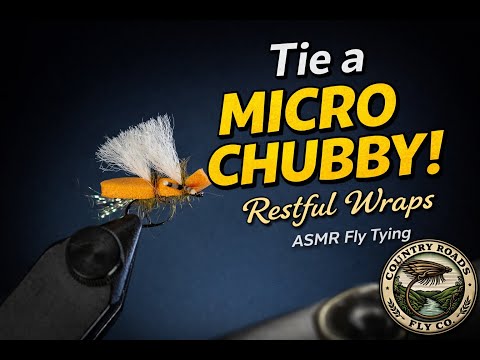
The Micro Chubby is a modern refinement of Chubby-style attractor dry flies, which trace their lineage back to the iconic Chubby Chernobyl. While the original Chubby was intentionally oversized to imitate stoneflies and hoppers, anglers quickly learned that trout often respond better to a smaller, cleaner silhouette—especially on pressured water. By downsizing the profile while keeping the core elements—foam buoyancy, rubber legs, and a visible body—the Micro Chubby excels as a searching dry fly, a terrestrial imitation, and a highly effective hopper-dropper indicator fly. Its ability to float heavy droppers while remaining subtle enough for selective trout has made it a staple in modern fly boxes.
A strand of mop chenille on a hook. Purists grimace, fish do not: the fat, translucent finger reads as a crane fly larva or a grub, and it has won enough competitions that nobody laughs anymore. Chartreuse and cream are the standards; fish it like any heavy nymph.
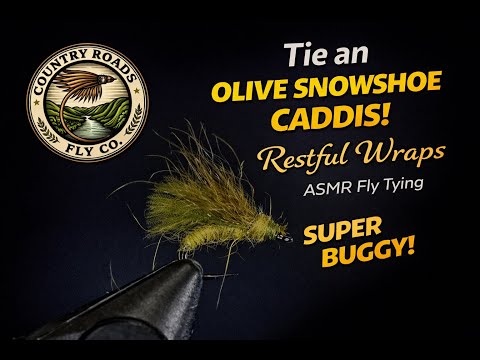
Caddisflies are among the most important insects in trout streams, often emerging in large numbers and skittering across the surface. Effective caddis patterns focus less on exact imitation and more on profile, buoyancy, and movement—qualities that trigger confident strikes. Snowshoe hare foot hair has long been valued in fly tying for its exceptional flotation and natural translucence, while CDC provides subtle motion and a low-riding footprint on the water. This Olive Snowshoe Caddis combines both materials to create a wing that floats high yet breathes naturally, making it especially effective in riffles, seams, and broken water. The olive coloration allows this pattern to cover a wide range of caddis species, functioning as both a hatch match and a versatile searching dry throughout spring and summer. This natural-material recipe produces a highly buoyant, animated dry fly with a clean caddis silhouette—perfect for fishing active caddis hatches or prospecting broken water.
The Perdigon (Spanish for "pellet") is a euro-nymph built for speed and depth. Its smooth thread body coated in UV resin cuts through current like a stone, reaching fish before they can drift away. Available in olive, black, red, and purple — each targeting different feeding moods.
Bob Quigley's classic cripple pattern suggests a dun stuck half-in and half-out of its shuck — exactly the vulnerable stage that selective trout target. The Z-Lon trailing shuck and deer hair wing are signature features.
Lance Egan's flashy attractor nymph — a wrapped pearl-flash body, pheasant-tail whisks, and a hotspot of rainbow-blend dubbing under a silver bead. It imitates nothing and out-fishes nearly everything, particularly on pressured tailwaters where fish have seen every natural.
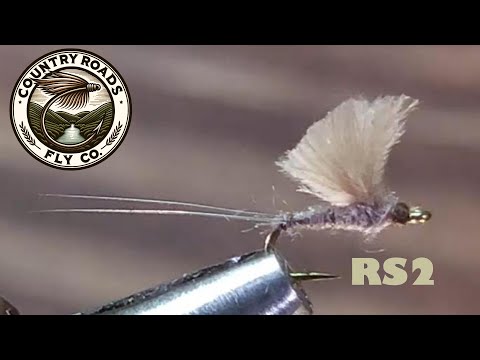
Rim Chung's impossibly simple tailwater nymph — gray dubbing and snowshoe rabbit wing, nothing more. The RS2 consistently outperforms more complex patterns on heavily pressured tailwaters where fish see everything.
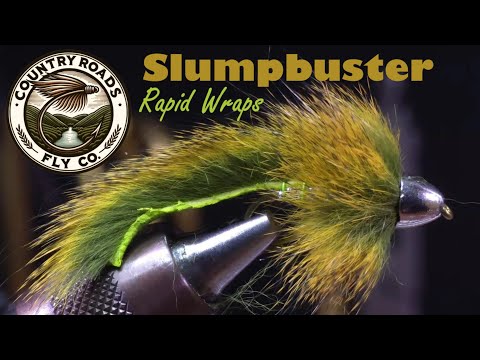
John Barr's Slumpbuster combines a rabbit strip tail with a pine squirrel or rabbit strip body for maximum pulsation and bulk. The cone head gets it deep quickly. A fish-catcher when nothing else works. Olive and brown match sculpin and crayfish; black excels in off-color or low-light conditions.
A flush-floating BWO emerger using snowshoe rabbit foot hair for the wing. Snowshoe hair is more water-resistant than most materials — it floats in the film naturally without floatant and creates a perfect silhouette. Exceptional during heavy BWO hatches.
Dorsey's emerging-midge companion to the Mercury Midge: dark brown body ribbed with white thread, a rusty dubbed thorax, and a stub of bright white wing material breaking the profile — the pupa at the moment of eclosion. A first-string dropper on any winter tailwater rig.
Guy Turck's 1990 Jackson Hole One Fly winner — the attractor that ate the West. Golden pheasant tippet tail, hare's ear body, a calf-and-flash wing under a spun deer muddler head, rubber legs off the sides. Floats a dropper all day, gets eaten on its own all evening.
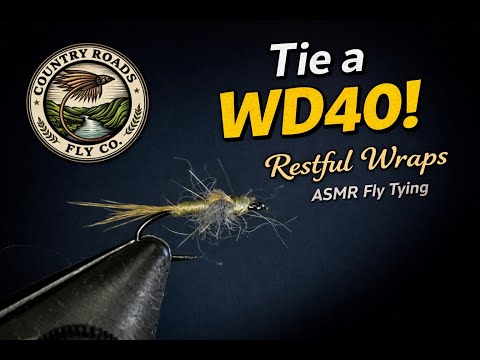
René Harrop's WD-40 is a masterclass in minimal fly design — wood duck legs, dubbing body, and snowshoe rabbit wing suggest a midge pupa or BWO emerger just below the film. One of the most effective tailwater nymphs ever created.
Kelly Galloup's neutrally buoyant sculpin — the fly that helped launch modern streamer fishing. The broad deer-hair head is left loose so the fly hovers and darts side-to-side on the strip instead of sinking away. Fished on a sinking line, banged off the banks, it hunts big browns.