
Pattern Database
Fly tying patterns for trout water.
Fly tying patterns for trout water.
40 patterns
The Irresistible body style pairs with Adams coloring for an unsinkable attractor dry. Spun and clipped deer hair creates a body that floats like a cork through heavy pocket water.
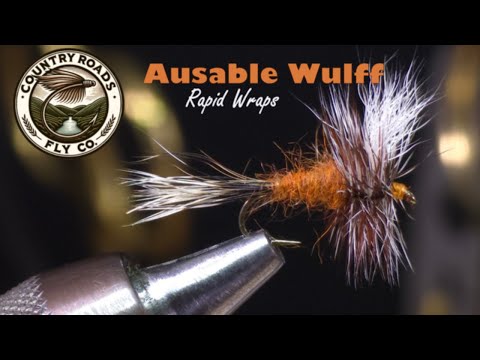
Fran Betters' Adirondack attractor is one of the great regional dry flies. The rusty/orange body and stark white wings are visible in any water, and the wide-hackle float makes it bulletproof in the pocket water of the Ausable River.
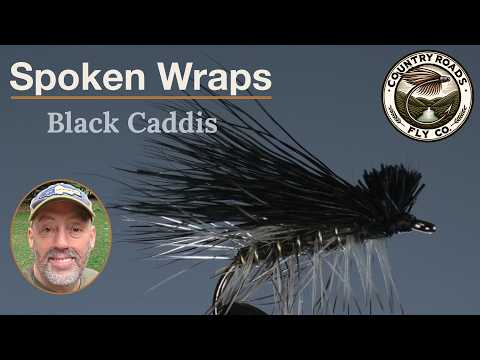
The Mother's Day caddis blizzard — dark little caddis in astonishing numbers just as spring flows drop into shape. A dark body under a black downwing is all the imitation the hatch needs; the hard part is picking your fly out of the crowd on the water.
The darker companion to the Light Hendrickson: dark muskrat-gray body, wood duck wings, dun tail and hackle. Many Catskill anglers fish it for the darker male duns of Ephemerella subvaria while the Light Hendrickson covers the pinkish females — carry both through the late-April hatch.
A close cousin to the Elk Hair Caddis but tied with deer hair for a darker, lower-riding silhouette. Excellent for evening caddis activity when fish are sipping low and refusing higher-floating patterns.
Art Flick's Isonychia pattern, and the third of his great Variants: a stripped dark quill body under an oversized dark dun hackle, no wing. Slate drakes emerge by crawling out, so the dun on the water is an accident — but when they're around, this high-riding silhouette drifted down the fast slots brings slashing rises.
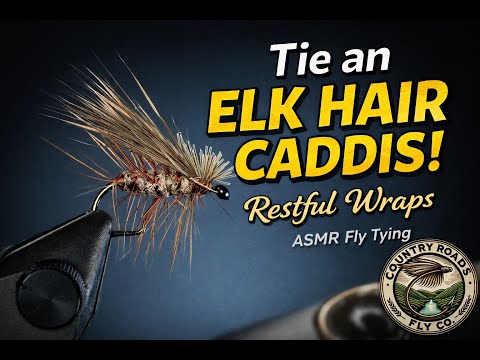
Al Troth's classic elk hair caddis is one of the most effective adult caddis patterns ever tied. The palmered hackle and buoyant elk hair wing keep it riding high in fast water.
The Goddard Caddis uses spun and clipped deer hair to create a tent-shaped body that is virtually unsinkable. Exceptional in fast, broken water where high flotation matters more than delicacy.
Art Flick's Grey Fox Variant: an oversized, mixed-hackle Catskill Variant on a stripped light-ginger quill body, with no wing — the long, variegated hackle IS the silhouette. Flick tied it for the Green Drake hatch, but it has earned its keep as a high-riding searching fly during March Brown and Gray Fox season too.
Lee Wulff's hair-wing answer to fragile Catskill duns — a gray-bodied, brown-winged dry that floats through water that would drown a quill-and-hackle fly. On UK and Irish waters it earned a second life as the standard Mayfly (Ephemera danica) dun. Rough water, big duns, bad light: this is the fly.
Hiram Brobst's classic Pennsylvania caddis dry has a distinctive doubled wing — sparse wood duck flank under, deer hair over — and a palmered body. It imitates the Grannom and Spotted Sedge perfectly during spring caddis hatches.
The H&L Variant — famous as President Eisenhower's favorite fly — is a high-floating Western attractor built to stay visible. White calf-tail wings and tail flank a split peacock body: stripped quill on the rear half, full peacock herl at the thorax, finished with brown hackle. In fading light or broken water, the white wings are the last thing you lose sight of.
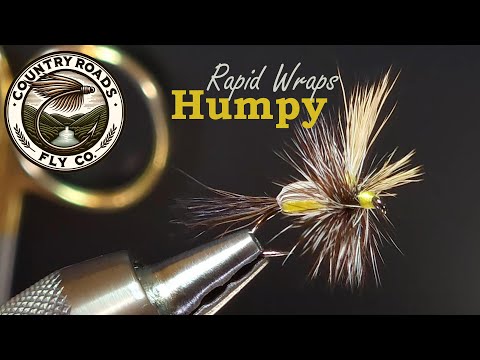
The Humpy is one of the most recognizable Western attractor dry flies. The deer hair hump traps air for unsinkable flotation, making it perfect for rough freestone pocket water. Yellow suggests stoneflies and caddis; red is a general attractor; the Royal Humpy adds the peacock-floss-peacock body of the Royal Coachman.
Pat Barnes' Sofa Pillow improved with a palmered body hackle for extra flotation. One of the premier golden stonefly adult imitations in Western fly fishing — large, buoyant, and visible in heavy current.
Wayne "Buz" Buszek's King's River Caddis, born on California's Kings River in the 1950s, is the archetype of the turkey-wing caddis dry. A shaggy tan fur body, a single mottled turkey quill wing tied tent-style over the top, and an undersized brown collar hackle that lets the fly sit low with the wing parallel to the water.
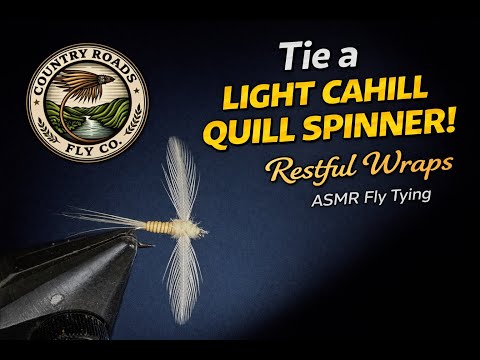
The Light Cahill Spinner represents the final stage in the life cycle of Light Cahill mayflies in genus Maccaffertium (formerly Stenonema), when spent insects return to the water to lay eggs. These spinner falls often occur in the evening and can produce some of the most selective trout feeding of the season. Traditional quill-bodied spinner patterns emphasize slender translucence, outstretched wings, and a low-riding profile — all critical elements when trout are sipping spent mayflies from smooth water. The Light Cahill Quill Spinner excels during late spring and early summer hatches on both freestone rivers and tailwaters. Its understated appearance and classic construction make it a staple pattern whenever trout are feeding confidently in low-light conditions. The traditional material selection creates a slender, translucent body with a soft, spent-wing profile — ideal for spinner falls and selective trout.
The little black stoneflies (Capnia and Allocapnia) are the first dry-fly action of the year — small dark stones crawling and fluttering on late-winter afternoons. A slim black body, a low dark wing, and a few turns of black hackle are all it takes; presentation matters more than precision this early.
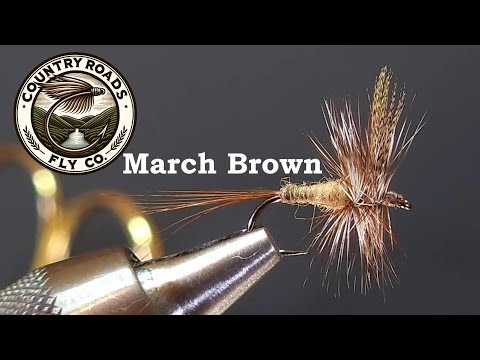
The classic Catskill March Brown — divided wood duck wings, mixed hackle, and hare's ear body. Theodore Gordon himself fished a version of this during the first great hatch of Eastern spring. A foundational American fly pattern.
The March Brown is a large, sporadic hatch but when it's on, trout eat aggressively. The parachute style is easier to see on riffled freestone water than the traditional Catskill tie.
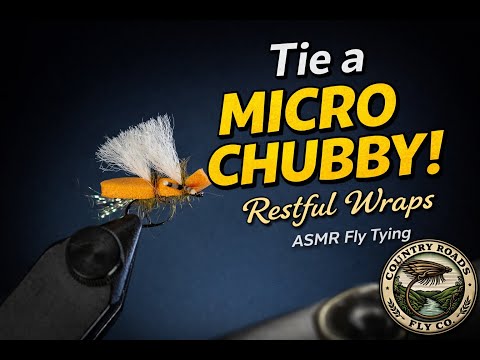
The Micro Chubby is a modern refinement of Chubby-style attractor dry flies, which trace their lineage back to the iconic Chubby Chernobyl. While the original Chubby was intentionally oversized to imitate stoneflies and hoppers, anglers quickly learned that trout often respond better to a smaller, cleaner silhouette—especially on pressured water. By downsizing the profile while keeping the core elements—foam buoyancy, rubber legs, and a visible body—the Micro Chubby excels as a searching dry fly, a terrestrial imitation, and a highly effective hopper-dropper indicator fly. Its ability to float heavy droppers while remaining subtle enough for selective trout has made it a staple in modern fly boxes.
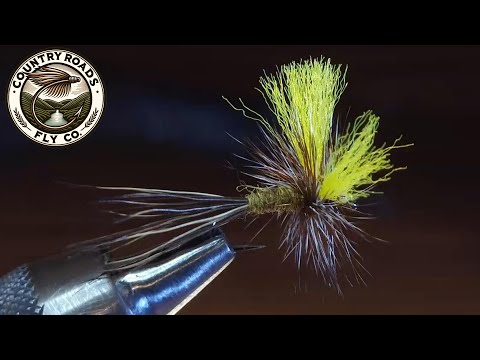
Harry Murray's Shenandoah Valley classic. An essential attractor dry fly for Appalachian mountain streams, built to ride fast freestone water all day long.
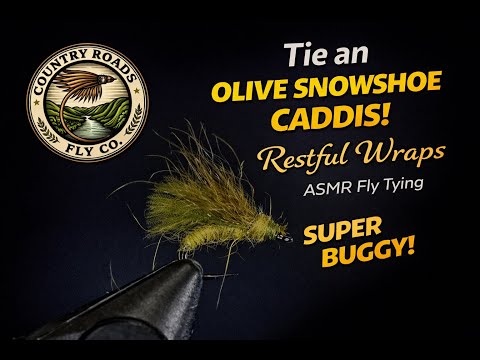
Caddisflies are among the most important insects in trout streams, often emerging in large numbers and skittering across the surface. Effective caddis patterns focus less on exact imitation and more on profile, buoyancy, and movement—qualities that trigger confident strikes. Snowshoe hare foot hair has long been valued in fly tying for its exceptional flotation and natural translucence, while CDC provides subtle motion and a low-riding footprint on the water. This Olive Snowshoe Caddis combines both materials to create a wing that floats high yet breathes naturally, making it especially effective in riffles, seams, and broken water. The olive coloration allows this pattern to cover a wide range of caddis species, functioning as both a hatch match and a versatile searching dry throughout spring and summer. This natural-material recipe produces a highly buoyant, animated dry fly with a clean caddis silhouette—perfect for fishing active caddis hatches or prospecting broken water.
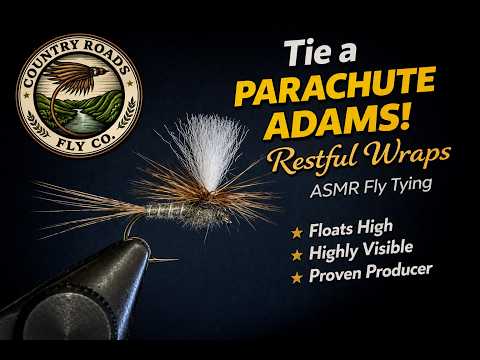
The Adams was created in 1922 by Leonard Halladay of Mayfield, Michigan, tied for his friend Charles F. Adams. It was built as a general mayfly impression rather than a match for one specific hatch, and that versatility is why it has never left anyone's box. The parachute version came later, winding the hackle flat around an upright post instead of around the shank. It sits the fly lower and shows a crisper wing profile from below — a small change that makes a real difference on selective fish.
The parachute version of the Hendrickson offers a flush-floating wing silhouette that's deadly during the first major dry fly hatch of the Eastern season. The pinkish-gray body exactly matches the natural.
The Mahogany Dun hatch is a fall sleeper — fish that have seen every fly all summer are suddenly willing to rise again. This parachute version is visible in the low autumn light and sits perfectly in the film.
A heavily weighted stonefly nymph that gets to the bottom fast and stays there — the standard anchor fly on Western freestone rigs. A variegated chenille body with three pairs of living rubber legs, plus leg-material tail and antennae, wiggling at drift speed. Crude at the vise, lethal in the water.
George Anderson's cased caddis — a rough hare's-ear case with the pale larva 'peeking' out the front, its black ostrich-herl head nodding in the current. Cased caddis are bottom ballast in every freestone river year-round, and almost nothing else imitates them.
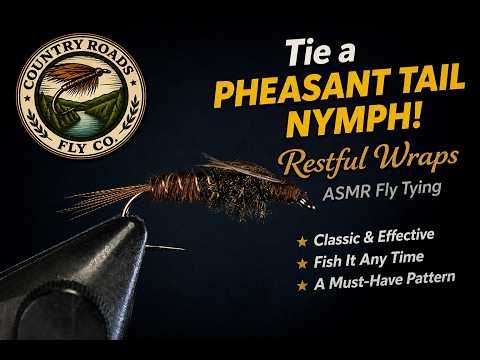
The Pheasant Tail was developed by English riverkeeper Frank Sawyer in the mid-20th century for the chalk streams of the River Avon. Sawyer's original used only pheasant tail fibers and fine copper wire — no thread at all — to imitate the baetis nymphs his trout were feeding on. The American version, often credited to Al Troth, added a peacock herl thorax and a defined wing case and legs. That's the dressing most tiers know today, and it's the one we're tying here.
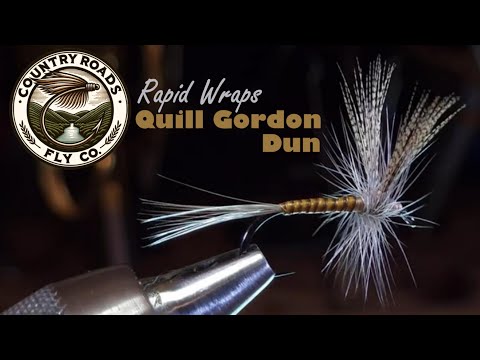
Theodore Gordon's legendary pattern for Epeorus pleuralis — the first quality dry-fly hatch of the year on Appalachian streams. The stripped peacock quill body perfectly captures the segmented look of the natural.
The Rat-Faced McDougal pairs a spun-and-clipped deer hair body with white calf tail wings and ginger hackle. The deer hair body is nearly unsinkable — excellent in fast water where buoyancy beats precision.
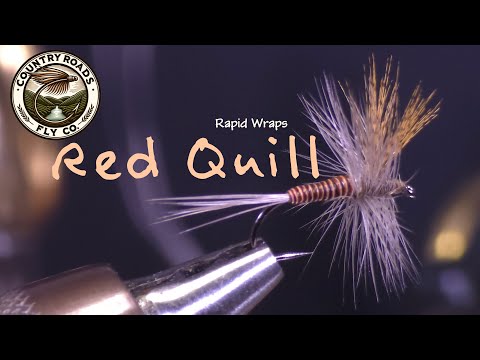
The Red Quill imitates the male Hendrickson natural — darker and smaller than the female, with a distinctive reddish-brown segmented body made from a stripped hackle quill. A Catskill classic as important as the Hendrickson itself.
The Royal Humpy pairs the Humpy's deer-hair hump with a red floss underbody and upright white calf-tail wings — the red flash below, the white wings above. A rough-water attractor you can track in any light, popularized by Jack Dennis's Western Trout Fly Tying Manual.
The Royal Coachman colors in a down-wing trude silhouette — peacock and red floss under a swept white calf wing. Reads as caddis, small stone, or nothing in particular; visible at forty feet in chop; and quietly one of the best attractor dries the West ever standardized.
Skwalas bring up the West's first big dry-fly eats of the year — olive-brown stoneflies on the water while the cottonwoods are still bare. A low-riding olive-brown body, dark elk wing, and rubber legs cover the hatch; fish it tight to the banks on March and April afternoons.
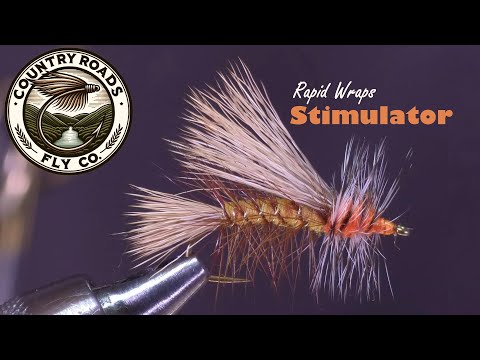
Randall Kaufmann's Stimulator is the king of attractor dry flies for Western-style fast water. Its elk hair wing, palmered hackle, and bold body trigger strikes on everything from trout to steelhead. Yellow imitates Yellow Sallies and small stoneflies; orange targets Golden Stones and Salmonflies; chartreuse and tan serve as general attractors.
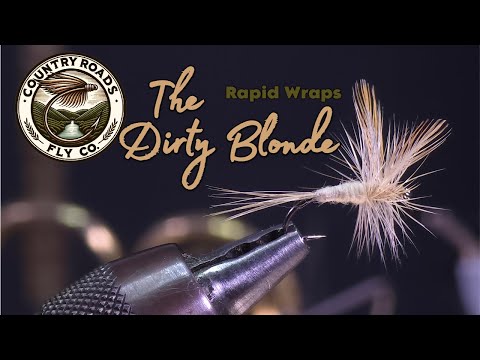
The Dirty Blonde is a versatile dry fly designed with subtle blonde tones, making it effective for imitating a variety of mayflies and caddisflies. Whether you're fishing a Pale Morning Dun hatch, a Light Cahill emergence, or general tan caddis activity, this pattern's pale yellow body and light ginger hackle give it broad appeal across seasons and water types.
Lee Wulff's all-white hair-wing, and the classic answer to the White Fly (Ephoron) — the August dusk hatch that turns Appalachian and mid-Atlantic rivers white with duns. When the light is nearly gone and everything on the water is pale, the White Wulff is both imitation and beacon.
The Woolly Bugger is one of the most versatile streamers in freshwater fishing. It suggests a leech, sculpin, hellgrammite, baitfish, or simply something alive and edible. Olive and brown match sculpin and leech; black provides maximum silhouette in off-color or low-light water; white imitates baitfish such as shiners and dace.
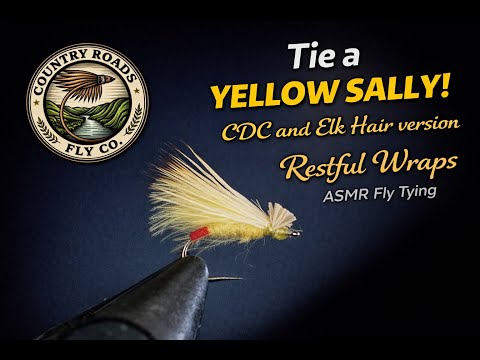
A sparse, delicate dry fly imitating the little yellow stonefly (Isoperla spp.). One of the most reliable summer dry-fly hatches on Appalachian freestone streams.
The parachute version of the Yellow Sally dry sits flush and is far easier to track than the standard low-hackle version. The white poly post provides visibility without changing the silhouette that trout key on during Little Yellow Sally hatches.