
Pattern Database
Fly tying patterns for trout water.
Fly tying patterns for trout water.
44 patterns
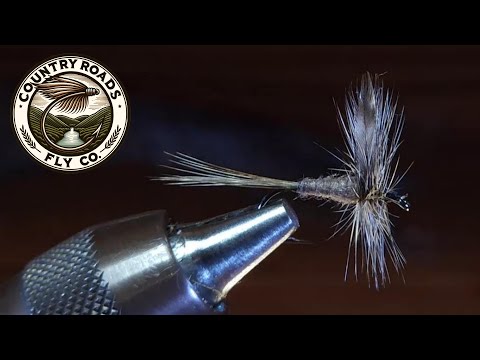
The most popular dry fly in America. A universal mayfly imitation that works when you're not sure what the fish are eating.
The tungsten bead version of Sawyer's classic nymph gets deep quickly and adds just enough flash to trigger strikes. The most productive nymph variation for most North American trout streams.
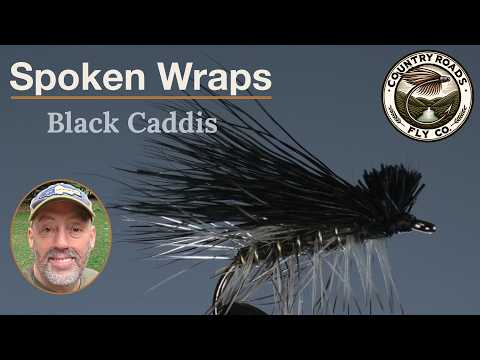
The Mother's Day caddis blizzard — dark little caddis in astonishing numbers just as spring flows drop into shape. A dark body under a black downwing is all the imitation the hatch needs; the hard part is picking your fly out of the crowd on the water.
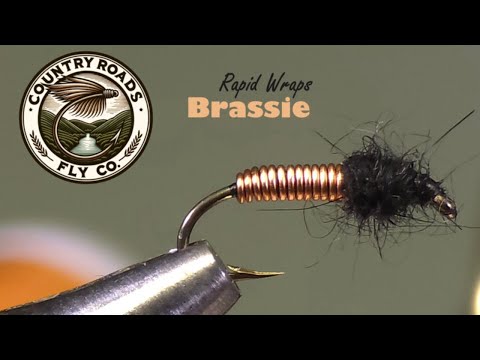
A midge larva pattern so simple and effective it transcends its humble origins. Copper wire builds a segmented, durable body that sinks fast. Add a peacock head and you have one of the great tailwater nymphs.
Bob Clouser's dumbbell-eyed minnow pattern may be the most versatile streamer ever invented. The inverted hook rides point-up, reducing snags. Chartreuse/white is the go-to for most freshwater conditions; olive/white on overcast days; pink/white for stained water.
A close cousin to the Elk Hair Caddis but tied with deer hair for a darker, lower-riding silhouette. Excellent for evening caddis activity when fish are sipping low and refusing higher-floating patterns.
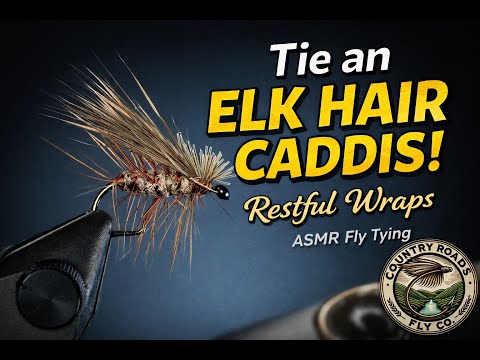
Al Troth's classic elk hair caddis is one of the most effective adult caddis patterns ever tied. The palmered hackle and buoyant elk hair wing keep it riding high in fast water.
The classic Hare's Ear nymph with a pearl flashback wing case that catches light and triggers strikes. The subtle flash suggests the gas bubble of an emerging nymph — a small change that consistently out-fishes the standard version.
Ants blown onto the water surface trigger some of the most selective feeding trout exhibit all summer. Two foam bubbles — abdomen and thorax — perfectly suggest the pinched waist of an ant. Black is most common; cinnamon matches carpenter ants; red imitates flying ant swarms that trout gorge on in late summer.
Beetles are the most abundant terrestrial insect group, and trout eat them all summer. This simple foam pattern with a peacock herl underbody is one of the most underrated searching patterns for warm-weather dry-fly fishing.
Lance Egan's competition-born Frenchie is a Pheasant Tail nymph with a hot spot thorax. The pink (or hot orange) dubbing creates a trigger point that consistently outperforms the unmodified original.
The egg fly, perfected in the 1970s on California's Sacramento tributaries. Spun-and-flared egg yarn clipped to a perfect orb, with an optional contrasting blood dot. During any spawn — suckers in spring, browns and brookies in fall — drifting eggs are simply what the river serves.
Southwestern Pennsylvania's gift to everyone who just wants to catch trout: a chartreuse chenille loop tail and a chartreuse chenille body. Inchworm, caddis larva, egg — the fish decide, and in Appalachian freestone water they decide fast. No apologies necessary.
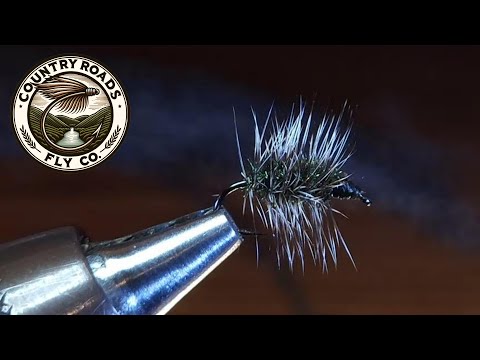
George Griffith's cluster midge pattern has been fooling trout for decades. The palmered grizzly hackle through peacock herl perfectly imitates a clump of midges on the surface.
The gold-ribbed hare's ear is the all-purpose nymph of Eastern trout fishing. Its rough, buggy dubbing imitates caddis pupae, mayfly nymphs, and small crustaceans with equal conviction.
Inch worms drop from overhanging trees onto streams in spring and early summer, and trout key on them heavily. A bright chartreuse-green body on a hook is all it takes — simplicity at its best.
Wayne "Buz" Buszek's King's River Caddis, born on California's Kings River in the 1950s, is the archetype of the turkey-wing caddis dry. A shaggy tan fur body, a single mottled turkey quill wing tied tent-style over the top, and an undersized brown collar hackle that lets the fly sit low with the wing parallel to the water.
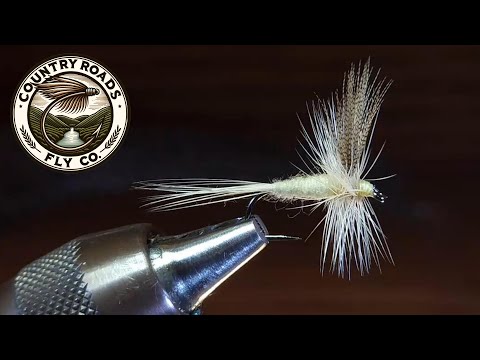
The Light Cahill is a classic Catskill dry fly imitating the cream and yellow mayflies that blanket streams in late spring and early summer. Its wood duck wing and ginger hackle are unmistakable.
The subsurface half of the early black stonefly hatch. Little black stone nymphs migrate toward the banks before crawling out, and a slim black nymph drifted along the edges in February and March is often the first productive nymphing of the year.
A classic attractor streamer with a bright red-yellow-yellow bucktail wing that has been enticing trout, bass, and landlocked salmon for over 80 years. Simple to tie and surprisingly effective.
A strand of mop chenille on a hook. Purists grimace, fish do not: the fat, translucent finger reads as a crane fly larva or a grub, and it has won enough competitions that nobody laughs anymore. Chartreuse and cream are the standards; fish it like any heavy nymph.
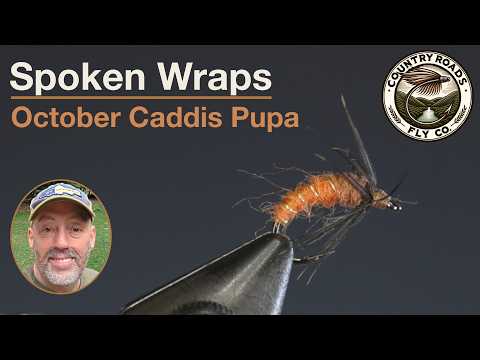
A large pupa imitating the autumn Dicosmoecus October caddis as it drifts and struggles toward the surface. The rusty orange body and rust thorax match one of the biggest, most protein-rich caddis of the year, and the sparse starling collar suggests emerging legs and antennae. Fish it deep and on the swing once the big orange bugs start moving.
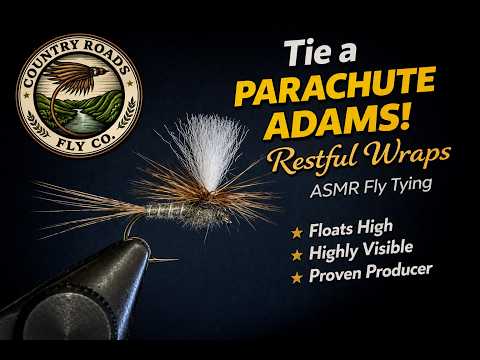
The Adams was created in 1922 by Leonard Halladay of Mayfield, Michigan, tied for his friend Charles F. Adams. It was built as a general mayfly impression rather than a match for one specific hatch, and that versatility is why it has never left anyone's box. The parachute version came later, winding the hackle flat around an upright post instead of around the shank. It sits the fly lower and shows a crisper wing profile from below — a small change that makes a real difference on selective fish.
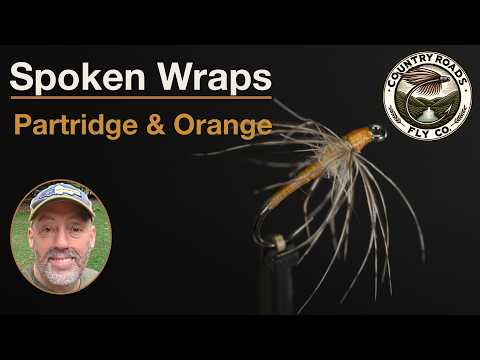
A North Country spider fished on Yorkshire's rivers for the better part of two centuries, and brought to American attention by Sylvester Nemes's soft-hackle revival. Nothing but a slim orange silk body and a turn of speckled partridge — the sparse collar pulses in the current suggesting legs, gills, or a drowned emerger.
A heavily weighted stonefly nymph that gets to the bottom fast and stays there — the standard anchor fly on Western freestone rigs. A variegated chenille body with three pairs of living rubber legs, plus leg-material tail and antennae, wiggling at drift speed. Crude at the vise, lethal in the water.
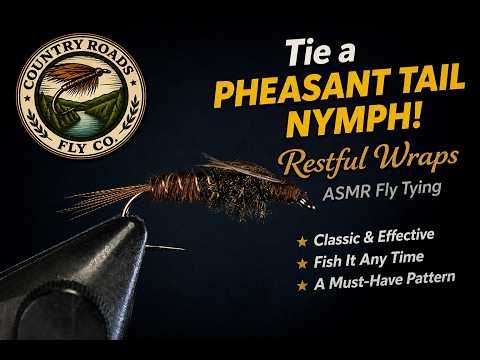
The Pheasant Tail was developed by English riverkeeper Frank Sawyer in the mid-20th century for the chalk streams of the River Avon. Sawyer's original used only pheasant tail fibers and fine copper wire — no thread at all — to imitate the baetis nymphs his trout were feeding on. The American version, often credited to Al Troth, added a peacock herl thorax and a defined wing case and legs. That's the dressing most tiers know today, and it's the one we're tying here.
A micro-zonker that fishes like a nymph and swims like a streamer. One strip of pine squirrel — finer and livelier than rabbit at small sizes — plus a bead, and you have the most dependable small leech going. Dead-drift it under an indicator, then let it swing.
The Bighorn's famous sowbug, named because it is so simple even a blind man could tie it — and so effective nobody minds the joke. Three materials: ostrich herl for the legs-everywhere silhouette, a pearl flash back, and a red thread head as the trigger.
Dave Whitlock's favorite fly — he said if he had one nymph, this would be it. The orange-tan belly fur of a red fox squirrel for the abdomen, the darker back fur for the thorax, ribbed with gold: a warm, buggy, all-purpose nymph that looks a little like everything trout eat.
Taylor Williams' Renegade is unlike any other fly — a brown hackle collar at the rear, peacock herl body, and white hackle collar at the front. It imitates nothing specific and attracts everything. One of the great Western searching patterns.
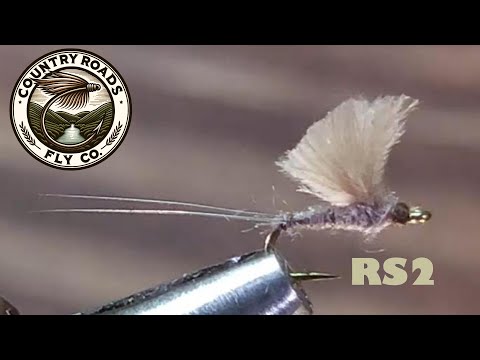
Rim Chung's impossibly simple tailwater nymph — gray dubbing and snowshoe rabbit wing, nothing more. The RS2 consistently outperforms more complex patterns on heavily pressured tailwaters where fish see everything.
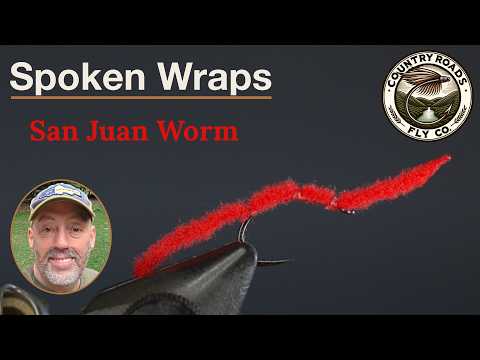
Named after the San Juan River in New Mexico, this simple worm pattern represents aquatic worms that get dislodged in high water and during runoff. Controversial in some circles, devastatingly effective in all circles. Red is the most popular color, but pink and wine produce on pressured fish.
Freshwater shrimp are the protein base of every weed-rich tailwater and spring creek, grazed on all year with no hatch required. A curved shaggy body under a clear shellback, ribbed into segments — tie it olive and tan for every day, orange for the dead-drifting 'cooked' scuds below dams.
A cross between the Gold-Ribbed Hare's Ear nymph and the soft hackle wet fly, this pattern excels swung on the downstream pass. The partridge collar pulses in the current, imitating a struggling emerger.
Controversial in some circles and devastating in all of them, the Squirmy Wormy uses a silicone worm material that moves seductively in current. Particularly effective in high, off-color water after rain when actual aquatic worms wash into the stream.
The mid-Atlantic's egg cluster — rows of soft yarn loops suggesting a drifting clump of sucker eggs. Born in Pennsylvania steelhead country and equally at home on Appalachian trout streams every spring when the suckers run gravel. Cream and orange, dead-drifted on the bottom.
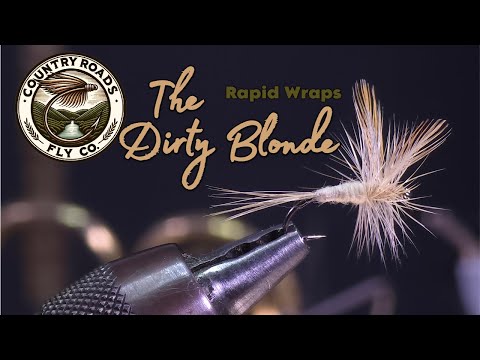
The Dirty Blonde is a versatile dry fly designed with subtle blonde tones, making it effective for imitating a variety of mayflies and caddisflies. Whether you're fishing a Pale Morning Dun hatch, a Light Cahill emergence, or general tan caddis activity, this pattern's pale yellow body and light ginger hackle give it broad appeal across seasons and water types.
Walt Young's impossibly simple nymph — just a curved hook and rough hare's ear dubbing. The shaggy, segmented appearance imitates sowbugs, caddis larvae, or whatever the fish imagine it to be.
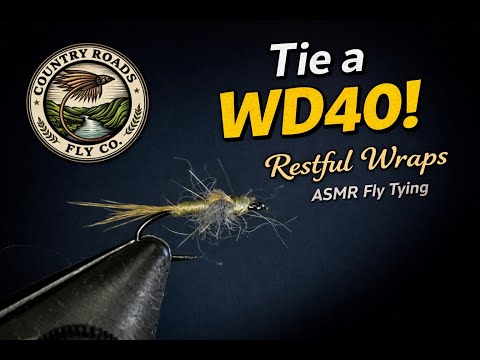
René Harrop's WD-40 is a masterclass in minimal fly design — wood duck legs, dubbing body, and snowshoe rabbit wing suggest a midge pupa or BWO emerger just below the film. One of the most effective tailwater nymphs ever created.
The Woolly Bugger is one of the most versatile streamers in freshwater fishing. It suggests a leech, sculpin, hellgrammite, baitfish, or simply something alive and edible. Olive and brown match sculpin and leech; black provides maximum silhouette in off-color or low-light water; white imitates baitfish such as shiners and dace.
One of the oldest American wet fly patterns, the Woolly Worm predates the Woolly Bugger by decades. The palmered hackle over a chenille body suggests a caterpillar, stonefly nymph, or leech depending on how it's fished.
Craig Mathews' X-Caddis features a Z-Lon trailing shuck suggesting a caddis in mid-emergence. Trout key on cripples, and this pattern is often more effective than a fully-dressed adult caddis. Tied in tan, olive, or gray to match different caddis species.
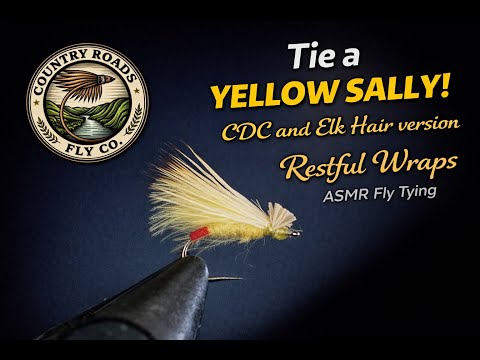
A sparse, delicate dry fly imitating the little yellow stonefly (Isoperla spp.). One of the most reliable summer dry-fly hatches on Appalachian freestone streams.
Ted Welling's Zebra Midge is the go-to tailwater midge larva pattern. Two materials — thread and wire — tied on a beaded hook. Deceptively simple and devastatingly effective.