
Pattern Database
Fly tying patterns for trout water.
Fly tying patterns for trout water.
167 patterns
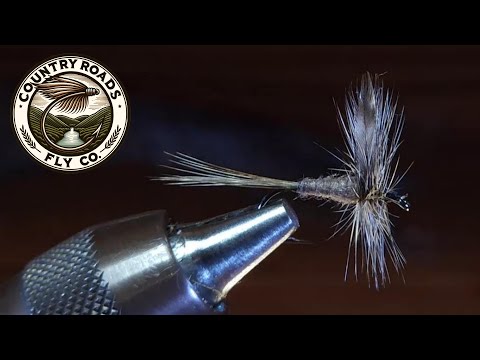
The most popular dry fly in America. A universal mayfly imitation that works when you're not sure what the fish are eating.
The Irresistible body style pairs with Adams coloring for an unsinkable attractor dry. Spun and clipped deer hair creates a body that floats like a cork through heavy pocket water.
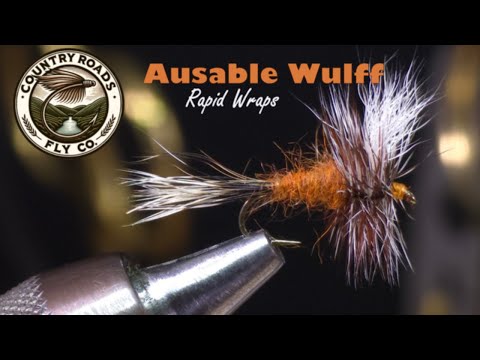
Fran Betters' Adirondack attractor is one of the great regional dry flies. The rusty/orange body and stark white wings are visible in any water, and the wide-hackle float makes it bulletproof in the pocket water of the Ausable River.
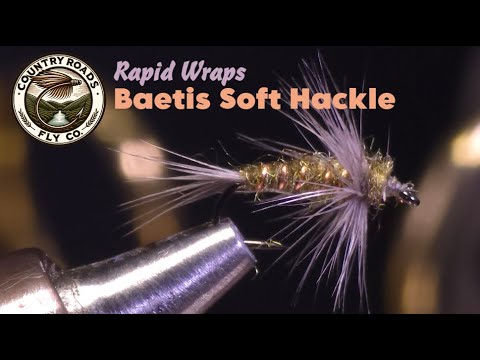
A classic soft-hackle wet fly imitating an emerging or drowned Baetis (BWO). A slim olive body suggests the abdomen, while a sparse, mobile collar of partridge or starling pulses in the current to imitate emerging legs and wings. Deadly on the swing or just under the surface during a BWO hatch.
John Barr's BWO emerger, designed in the 1970s and a tailwater staple ever since. A drab, flush-riding pattern: stiff brown hackle fibers imitate the trailing shuck, a slim olive-brown abdomen suggests the nymph, and a dark dun wing case pulled over the thorax — its leftover tips swept back as legs — captures the dun struggling free of the shuck.
The tungsten bead version of Sawyer's classic nymph gets deep quickly and adds just enough flash to trigger strikes. The most productive nymph variation for most North American trout streams.
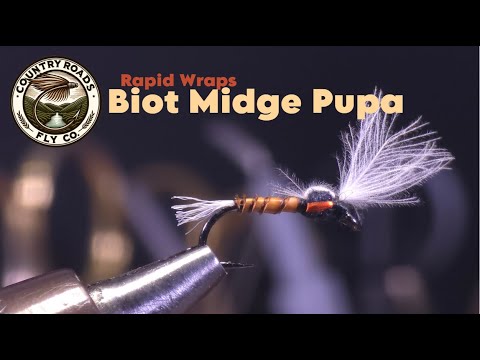
A small biot-bodied midge pupa for selective trout feeding on emerging chironomids. The slim goose-biot abdomen gives a crisp segmented profile, while a dark thorax, bright floss collar, and short CDC wing suggest the gathering wingpads and trapped gas of an emerging pupa. Fished in or just under the surface film.
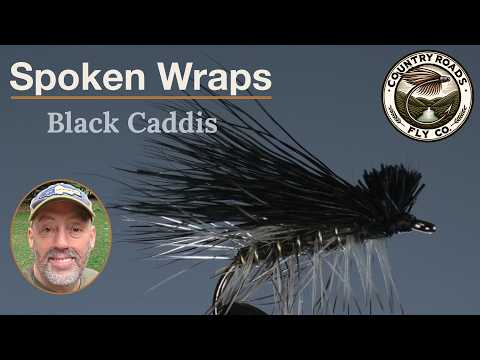
The Mother's Day caddis blizzard — dark little caddis in astonishing numbers just as spring flows drop into shape. A dark body under a black downwing is all the imitation the hatch needs; the hard part is picking your fly out of the crowd on the water.
Herb Welch's 1927 Maine featherwing — black floss and silver under a white wing, with yellow at throat and tail. Built for landlocked salmon and squaretail brook trout chasing smelt, and still one of the most elegant streamers ever tied. Swing it on a long line through cold water.
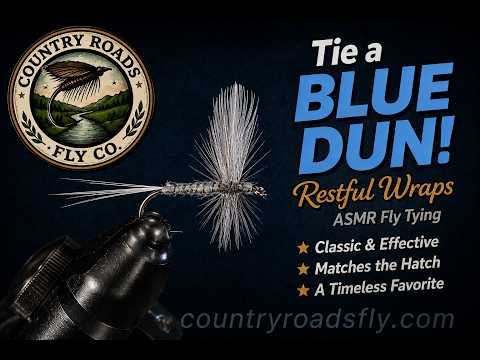
One of the oldest recorded dry fly patterns, the Blue Dun is a classic Catskill-style imitation for the small blue mayflies — Blue-Winged Olives, Mahogany Duns, and similar species. The dun hackle tips and gray body are timeless.
The parachute style BWO is one of the most important dry flies in a trout angler's box. The flush-floating wing and horizontal hackle present a perfect silhouette for selective fish on flat water.
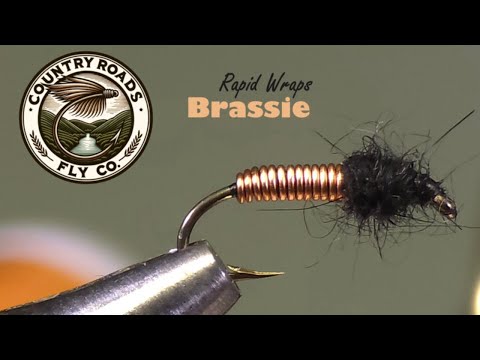
A midge larva pattern so simple and effective it transcends its humble origins. Copper wire builds a segmented, durable body that sinks fast. Add a peacock head and you have one of the great tailwater nymphs.
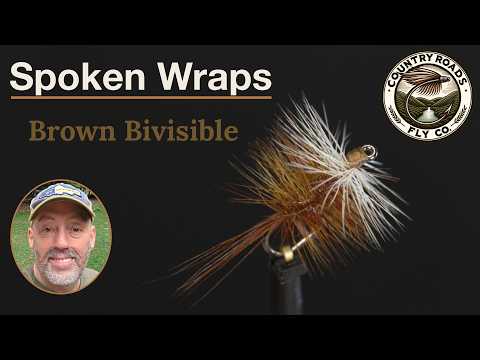
Edward Hewitt's all-hackle floater: brown hackle palmered nose-to-tail, finished with white turns at the front — visible to the fish (bi-) and to you (-visible). No body, no wing, nothing to sink. Skate it, drift it, drown it and fish it wet; the Bivisible has been un-killable since the 1920s.
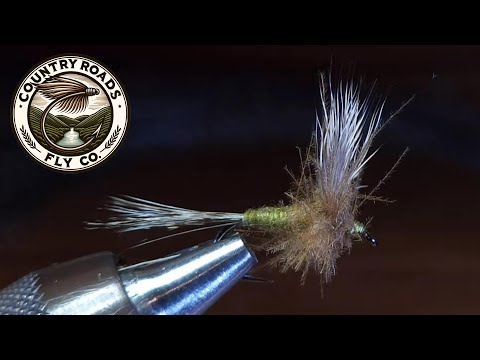
Imitates the Blue-Winged Olive (Baetis) dun with a hackleless deer-hair fan wing that floats flush in the film. Without hackle the body sits on the water for a realistic silhouette prized on flat, slow currents. Split tails and a slim olive body complete the dun profile.
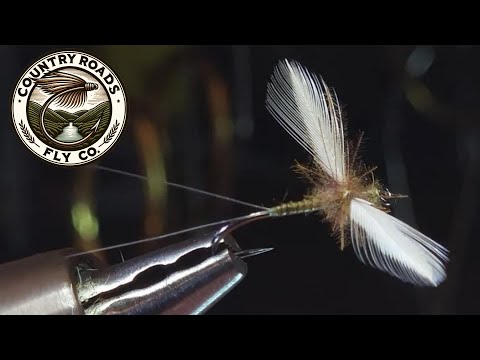
Imitates the spent, egg-laying stage of the Blue-Winged Olive lying flush with outstretched wings. Trout feed confidently on spent spinners during and after a fall; the flat profile and sparse clear wings match the motionless naturals.
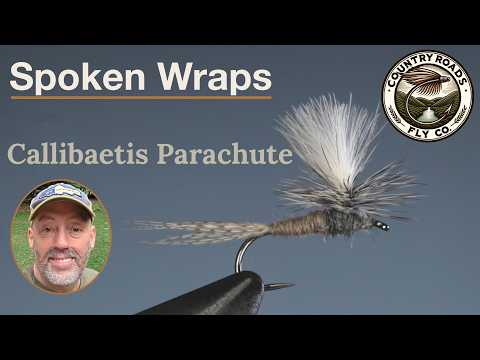
The speckled dun of lakes and spring-creek stillwaters. Callibaetis hatch reliably from late morning onward all season, and cruising fish take the duns with slow, confident rises. A gray-tan parachute with a speckled tail matches the natural's mottled look; drop it ahead of a cruiser and leave it.
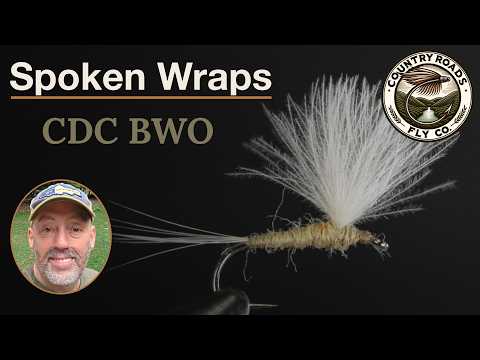
A minimalist CDC dry that relies on the feather's natural oils to float flush in the surface film. No hackle means a perfect flush silhouette on still water — exactly what selective tailwater fish demand during BWO hatches.
A flush-floating CDC caddis dry that lets CDC's natural water resistance do the heavy lifting. Effective on slow water where standard caddis patterns sit too high and create refusals. Tan and gray match Spotted Sedge and similar summer species; olive and green cover Grannom and Green Rock Worm hatches in spring.
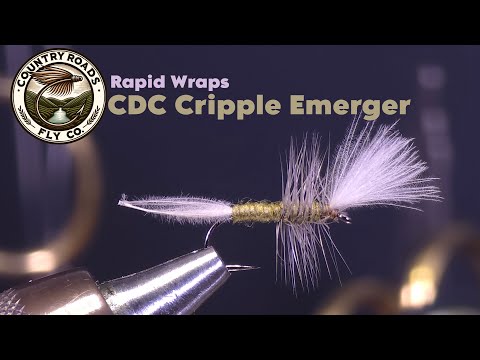
Imitates a mayfly that failed to escape its nymphal shuck, stuck helpless in the film — an easy meal during a hatch. This olive/BWO version rides low with a trailing shuck, dubbed abdomen, and buoyant CDC wing. Fish it dead-drift during a Blue-Winged Olive emergence.
A simple, deadly BWO emerger relying on CDC's natural water-shedding oils to float the fly in the film. The trailing Z-Lon shuck suggests a dun that never quite made it out, which is exactly what selective trout want to eat.
The Chernobyl Ant is an indestructible foam attractor that works as a hopper, stonefly, or large ant imitation. Its flat profile, rubber legs, and high-visibility indicator strip make it the ultimate dry-dropper indicator fly.
Bob Clouser's dumbbell-eyed minnow pattern may be the most versatile streamer ever invented. The inverted hook rides point-up, reducing snags. Chartreuse/white is the go-to for most freshwater conditions; olive/white on overcast days; pink/white for stained water.
The Green Drake's spinner — named by Walt Dette and Ted Townsend in 1930 for the black-and-white of funeral clothes. When the big drakes return at dusk as ghost-white spinners with smoky wings, the largest fish in the pool lose their caution for half an hour. This is the fly for that half hour.
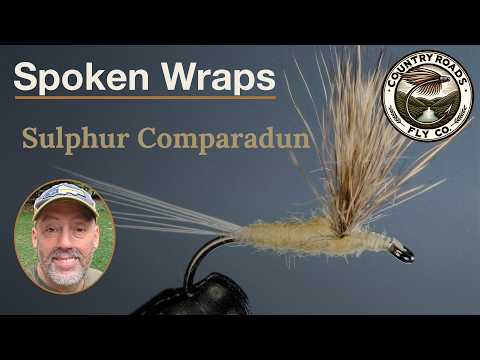
Al Caucci and Bob Nastasi's Comparadun concept changed dry-fly design. The fanned deer hair wing sits flush in the film like a natural, and the split tail provides perfect balance without hackle.
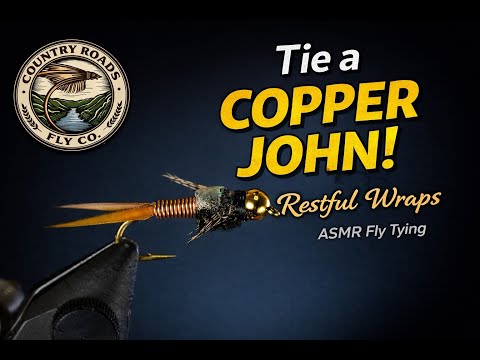
John Barr's Copper John sinks like a stone and triggers strikes with its metallic wire body and reflective wing case. One of the most effective fast-water nymphs of the last 30 years.
The third of Flick's Variants — all cream, for the big pale evening mayflies of high summer. A stripped cream quill body under an oversized cream hackle, no wing: at last light, when the golden drakes come off and everything on the water is a silhouette, its high stance and pale glow are exactly enough.
John Crowe's deer hair beetle is the original no-foam beetle, and it could hardly be simpler: one bunch of black deer hair tied in at the bend, pulled over the top as a shell, and clipped. A few fibers pulled out to each side make the legs, and the clipped butts form the head. Durable, buggy, and still deadly whenever beetles are near the water.
The crane fly — 'daddy' to every UK and Irish angler — blown onto the water in late summer, all legs and helplessness. Six knotted pheasant-tail legs trailing behind a slim body bring savage takes on lakes and slow river flats alike, fished dry or twitched just under.
The darker companion to the Light Hendrickson: dark muskrat-gray body, wood duck wings, dun tail and hackle. Many Catskill anglers fish it for the darker male duns of Ephemerella subvaria while the Light Hendrickson covers the pinkish females — carry both through the late-April hatch.
Dave Whitlock's yarn-and-deer-hair hopper has been the standard against which hopper patterns are measured since the 1970s. A red deer-hair tail with a loop of yellow yarn over it, a clipped brown palmer over the yellow body, mottled turkey wing, knotted pheasant-tail kicker legs, and a spun deer-hair head with a trailing collar. No foam anywhere — it earns its float the traditional way.
A close cousin to the Elk Hair Caddis but tied with deer hair for a darker, lower-riding silhouette. Excellent for evening caddis activity when fish are sipping low and refusing higher-floating patterns.
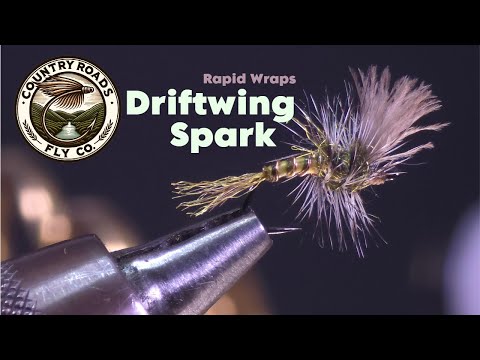
Art Flick's Isonychia pattern, and the third of his great Variants: a stripped dark quill body under an oversized dark dun hackle, no wing. Slate drakes emerge by crawling out, so the dun on the water is an accident — but when they're around, this high-riding silhouette drifted down the fast slots brings slashing rises.
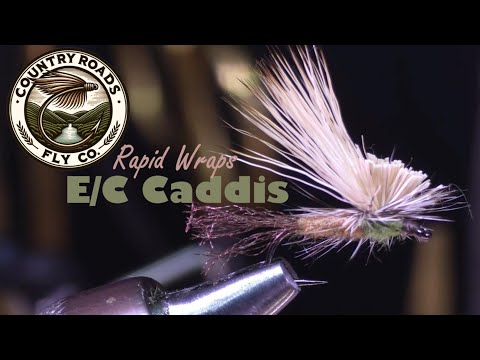
Ralph Cutter's Emergent/Cripple Caddis, imitating a caddis struggling in the film during emergence. A trailing Z-Lon shuck represents the discarded pupal husk, a dubbed body sits in the film, and a deer-hair wing trimmed to a stub keeps it riding low yet visible.
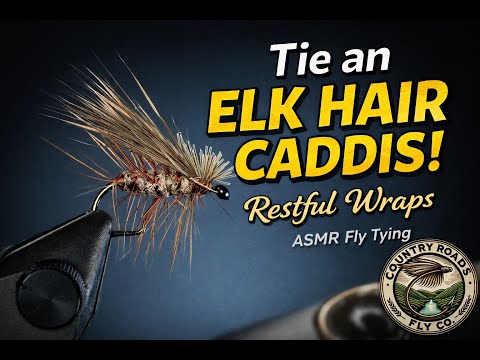
Al Troth's classic elk hair caddis is one of the most effective adult caddis patterns ever tied. The palmered hackle and buoyant elk hair wing keep it riding high in fast water.
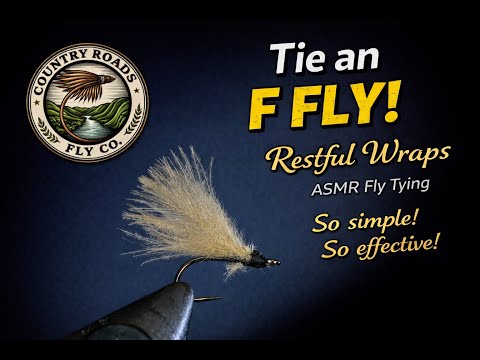
The F-Fly was developed in Europe as a highly impressionistic mayfly and midge imitation, designed specifically for pressured trout and technical water. Rather than imitating exact details, the pattern relies on profile, posture, and movement—key triggers that trout respond to when insects are trapped in the surface film. Using only CDC for the wing, the F-Fly excels at riding low, mimicking spent or emerging insects that trout feed on confidently. Its simplicity allows it to match a wide range of small mayflies and midges, making it a favorite on spring creeks, tailwaters, and slow glides. The F-Fly's minimalist design and effectiveness have earned it a permanent place among modern dry-fly staples. This ultra-simple recipe creates a low-riding silhouette with exceptional natural movement—perfect for selective trout feeding in calm, clear water.
The classic Hare's Ear nymph with a pearl flashback wing case that catches light and triggers strikes. The subtle flash suggests the gas bubble of an emerging nymph — a small change that consistently out-fishes the standard version.
Ants blown onto the water surface trigger some of the most selective feeding trout exhibit all summer. Two foam bubbles — abdomen and thorax — perfectly suggest the pinched waist of an ant. Black is most common; cinnamon matches carpenter ants; red imitates flying ant swarms that trout gorge on in late summer.
Beetles are the most abundant terrestrial insect group, and trout eat them all summer. This simple foam pattern with a peacock herl underbody is one of the most underrated searching patterns for warm-weather dry-fly fishing.
When cicadas are singing — annual dog-day cicadas every summer, periodical broods in their unforgettable years — trout and smallmouth alike lose all caution. A black foam body with an orange underside, splayed rubber legs, and a dark wing: cast it hard against the bank and hang on.
Lance Egan's competition-born Frenchie is a Pheasant Tail nymph with a hot spot thorax. The pink (or hot orange) dubbing creates a trigger point that consistently outperforms the unmodified original.
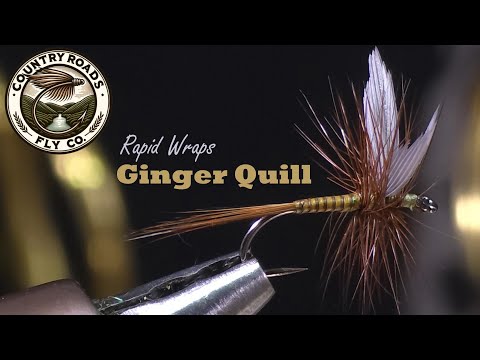
A classic Catskill-style dry imitating medium mayfly duns. Its hallmark is a stripped peacock-quill body for a segmented, banded abdomen, paired with ginger hackle and upright wood-duck wings. A traditional Eastern searching pattern.
The egg fly, perfected in the 1970s on California's Sacramento tributaries. Spun-and-flared egg yarn clipped to a perfect orb, with an optional contrasting blood dot. During any spawn — suckers in spring, browns and brookies in fall — drifting eggs are simply what the river serves.
The Goddard Caddis uses spun and clipped deer hair to create a tent-shaped body that is virtually unsinkable. Exceptional in fast, broken water where high flotation matters more than delicacy.
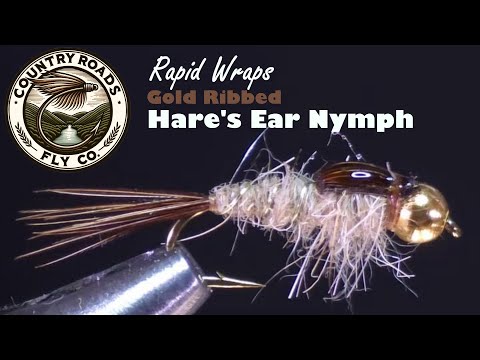
One of the most enduring, versatile nymphs in fly fishing, imitating a wide range of mayfly nymphs and emergers. Its buggy, spiky hare's-ear body traps air and suggests life, while the gold rib adds segmentation, flash, and durability. Fish weighted or unweighted, dead-drifted or swung.
Art Flick's Grey Fox Variant: an oversized, mixed-hackle Catskill Variant on a stripped light-ginger quill body, with no wing — the long, variegated hackle IS the silhouette. Flick tied it for the Green Drake hatch, but it has earned its keep as a high-riding searching fly during March Brown and Gray Fox season too.
Carrie Stevens's 1924 masterpiece, tied to imitate the smelt of Maine's Rangeley lakes and still the most famous streamer in America. An orange floss body under gray saddles, golden pheasant crests, white bucktail, and a silver pheasant shoulder — a fly worth tying slowly and fishing with conviction.
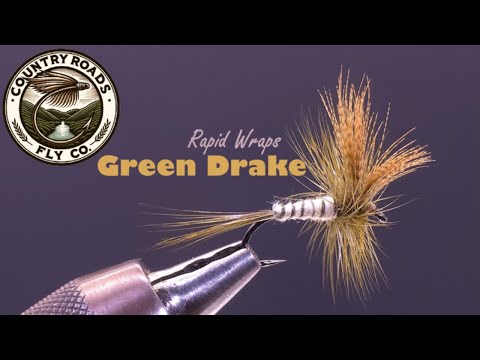
Imitates the large Eastern green drake mayfly (Ephemera guttulata) dun, one of the most anticipated hatches of late spring. Tied as a parachute dun on a big hook, it presents a large, well-floating profile that brings up big, selective trout during the brief emergence.
Southwestern Pennsylvania's gift to everyone who just wants to catch trout: a chartreuse chenille loop tail and a chartreuse chenille body. Inchworm, caddis larva, egg — the fish decide, and in Appalachian freestone water they decide fast. No apologies necessary.
Canon Greenwell's 1854 olive imitation, still the standard answer to medium olives everywhere they hatch. Waxed yellow silk that turns dirty olive, a gold-ribbed body, furnace hackle, and a slate wing — a fly so successful its hackle color now carries its name.
Art Flick's full-dress Catskill dry for the Grey Fox hatch — cream fox-belly fur, barred mallard flank wings, and mixed ginger-grizzly hackle. It bridges the March Browns and the Light Cahills on Eastern freestone water, and with the Variants beside it completes Flick's short, perfect list.
Lee Wulff's hair-wing answer to fragile Catskill duns — a gray-bodied, brown-winged dry that floats through water that would drown a quill-and-hackle fly. On UK and Irish waters it earned a second life as the standard Mayfly (Ephemera danica) dun. Rough water, big duns, bad light: this is the fly.
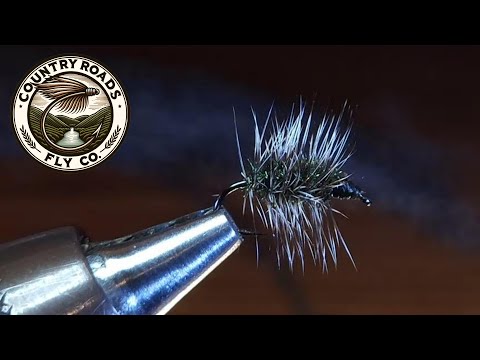
George Griffith's cluster midge pattern has been fooling trout for decades. The palmered grizzly hackle through peacock herl perfectly imitates a clump of midges on the surface.
Bob Clouser and Lefty Kreh's hybrid — a Clouser Minnow up front, a Deceiver behind. The dumbbell eyes jig, the saddle-hackle tail swims, and together they move more water than either parent. The big-fish fly for smallmouth rivers, and it crosses to trout, stripers, and anything else that eats minnows.
The gold-ribbed hare's ear is the all-purpose nymph of Eastern trout fishing. Its rough, buggy dubbing imitates caddis pupae, mayfly nymphs, and small crustaceans with equal conviction.
Fran Betters's 1949 rough-water dun — the fly the Comparadun was refined from. A coarse deer-hair wing fanned upright over a buggy cream body, no hackle at all: it rides the Ausable's heavy pocket water flush and visible where delicate flies drown, and big-river browns have approved for seventy years.
Hiram Brobst's classic Pennsylvania caddis dry has a distinctive doubled wing — sparse wood duck flank under, deer hair over — and a palmered body. It imitates the Grannom and Spotted Sedge perfectly during spring caddis hatches.
The H&L Variant — famous as President Eisenhower's favorite fly — is a high-floating Western attractor built to stay visible. White calf-tail wings and tail flank a split peacock body: stripped quill on the rear half, full peacock herl at the thorax, finished with brown hackle. In fading light or broken water, the white wings are the last thing you lose sight of.
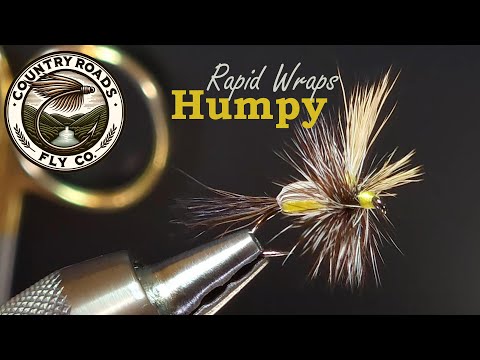
The Humpy is one of the most recognizable Western attractor dry flies. The deer hair hump traps air for unsinkable flotation, making it perfect for rough freestone pocket water. Yellow suggests stoneflies and caddis; red is a general attractor; the Royal Humpy adds the peacock-floss-peacock body of the Royal Coachman.
Pat Barnes' Sofa Pillow improved with a palmered body hackle for extra flotation. One of the premier golden stonefly adult imitations in Western fly fishing — large, buoyant, and visible in heavy current.
Inch worms drop from overhanging trees onto streams in spring and early summer, and trout key on them heavily. A bright chartreuse-green body on a hook is all it takes — simplicity at its best.
Craig Mathews and John Juracek's caddis emerger — the summer-evening fly on the Madison and everywhere else caddis outnumber anglers. The arched Z-Lon loop over the thorax catches light like an unfolding wing; fished dead-drift in the film with no floatant on the body, it takes the fish that refuse every high-riding adult.
Randall Kaufmann's big black stonefly nymph — the standard salmonfly imitation for forty years. Heavily weighted, biot-tailed, with three notched turkey wing cases over a picked-out black body, it crawls the bottom of heavy Western water where the giant stones live for years before they ever see the bank.
Wayne "Buz" Buszek's King's River Caddis, born on California's Kings River in the 1950s, is the archetype of the turkey-wing caddis dry. A shaggy tan fur body, a single mottled turkey quill wing tied tent-style over the top, and an undersized brown collar hackle that lets the fly sit low with the wing parallel to the water.
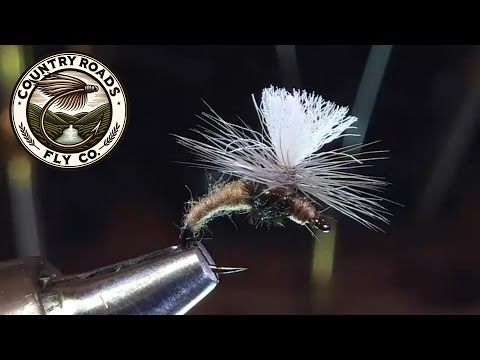
Hans van Klinken's parachute emerger changed how anglers think about surface presentation. The curved hook suspends the abdomen below the film while the poly post and parachute hackle keep it floating. Deadly during caddis and mayfly emergences.
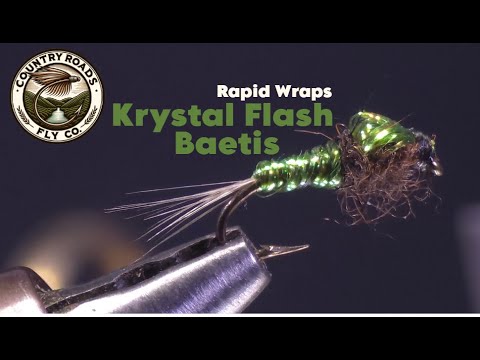
A small, flashy imitation of the Baetis (BWO) nymph, a year-round staple. A slim olive body accented with a Krystal Flash wingcase/rib adds the subtle sparkle that triggers takes in clear or pressured water. Fish as a dropper or in a nymph rig.
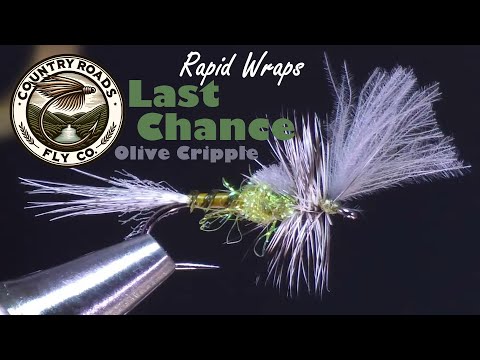
René Harrop's renowned cripple for selective trout on technical spring creeks and tailwaters. Imitates a mayfly hopelessly stuck in its shuck during a Blue-Winged Olive emergence. Combines a sparse trailing shuck, slim dubbed abdomen, upright CDC wing, and a few turns of hackle to ride flush in the film.
One of the oldest and most effective wet flies in the American tradition. The peacock herl body, coachman brown hackle, and paired mallard wing suggest caddis and mayfly emergers being swept along in the current.
Ed Shenk's all-black companion to his Letort Hopper, built for the same demanding limestone flats. Black fur body, black quill wing tied flat, black deer-hair head with trailing collar — no hackle, no flash. On late-summer spring creeks a cricket often out-fishes the hopper it shadows.
Ed Shenk's Letort Hopper was built for the flat, glassy limestone water of Pennsylvania's Letort Spring Run, where a bushy hopper draws refusals. It has no hackle at all: a yellow fur body, a flat mottled turkey wing, and a spun deer-hair head whose tips sweep back as a collar. The low, flush profile is the whole point.
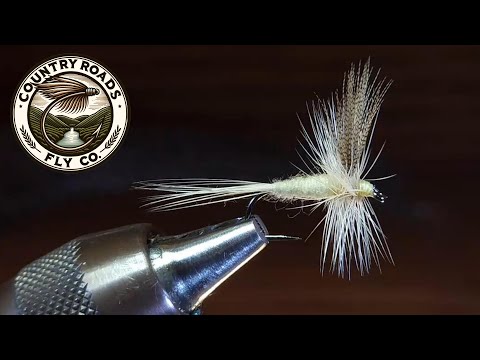
The Light Cahill is a classic Catskill dry fly imitating the cream and yellow mayflies that blanket streams in late spring and early summer. Its wood duck wing and ginger hackle are unmistakable.
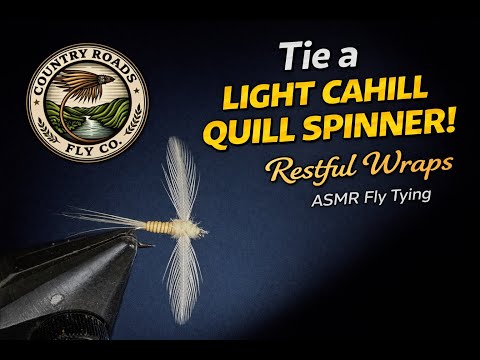
The Light Cahill Spinner represents the final stage in the life cycle of Light Cahill mayflies in genus Maccaffertium (formerly Stenonema), when spent insects return to the water to lay eggs. These spinner falls often occur in the evening and can produce some of the most selective trout feeding of the season. Traditional quill-bodied spinner patterns emphasize slender translucence, outstretched wings, and a low-riding profile — all critical elements when trout are sipping spent mayflies from smooth water. The Light Cahill Quill Spinner excels during late spring and early summer hatches on both freestone rivers and tailwaters. Its understated appearance and classic construction make it a staple pattern whenever trout are feeding confidently in low-light conditions. The traditional material selection creates a slender, translucent body with a soft, spent-wing profile — ideal for spinner falls and selective trout.
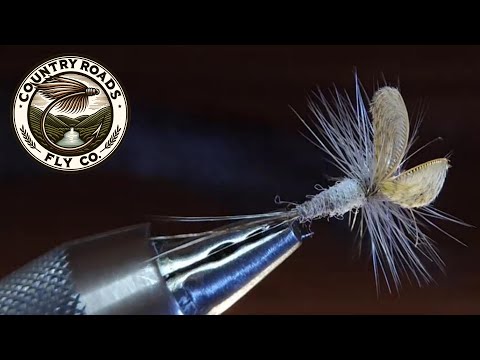
A classic Catskill dry imitating the female Ephemerella subvaria mayfly of early spring. Pinkish-cream body, upright divided wood-duck wings, and mixed ginger/dun hackle in traditional dry-fly proportions. A benchmark Eastern hatch-matcher for the Hendrickson emergence.
The little black stoneflies (Capnia and Allocapnia) are the first dry-fly action of the year — small dark stones crawling and fluttering on late-winter afternoons. A slim black body, a low dark wing, and a few turns of black hackle are all it takes; presentation matters more than precision this early.
The subsurface half of the early black stonefly hatch. Little black stone nymphs migrate toward the banks before crawling out, and a slim black nymph drifted along the edges in February and March is often the first productive nymphing of the year.
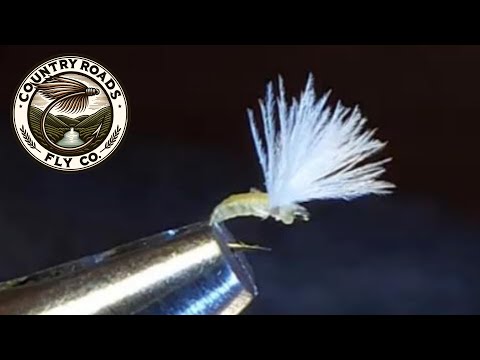
An extremely small micro dry fly (down to size 32) imitating the tiniest pale midges and mayflies that selective trout key on. At this scale the dressing is reduced to essentials: a wisp of pale dubbing and a few turns of light hackle. Advanced, specialized pattern for technical tailwater/spring-creek fishing.
The loop wing — a style pioneered by André Puyans in the 1960s and since adapted to CDC by many fine tiers — traps air and floats in the film with a naturalistic silhouette. The looped CDC suggests a dun wing just pulling free of the shuck, which is exactly what selective fish key on.
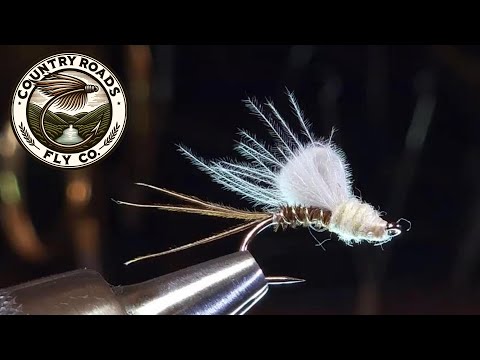
Imitates an emerging Pale Morning Dun, a key Western summer hatch. A folded loop of CDC over the thorax mimics the crumpled, still-unfurling wing of an insect breaking the film. The pale yellow body and low profile make it deadly in slower runs and flats.
Doug Swisher's bullet-head rubber-legs attractor. One bunch of deer hair supplies tail, back, and the folded bullet head; white rubber legs cross at the sides in the X that names the fly. Hopper, stonefly, general commotion — pounded along grassy banks it draws the year's most emphatic eats.
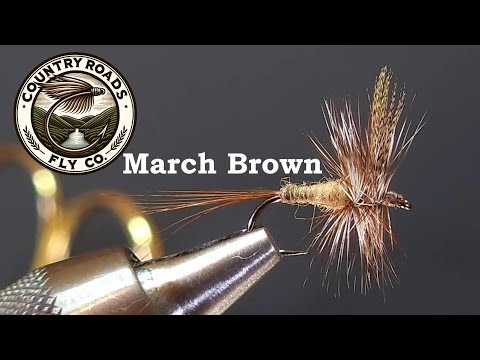
The classic Catskill March Brown — divided wood duck wings, mixed hackle, and hare's ear body. Theodore Gordon himself fished a version of this during the first great hatch of Eastern spring. A foundational American fly pattern.
The March Brown is a large, sporadic hatch but when it's on, trout eat aggressively. The parachute style is easier to see on riffled freestone water than the traditional Catskill tie.
The North Country dressing for the March Brown: hare's fur on orange silk, ribbed gold, with a speckled brown partridge hackle. Swung through the riffles on a spring afternoon it takes fish during the hatch and between hatches alike — spiders don't need permission.
The New Zealand style that solved the fouling problem: the feather wing is lashed down along the whole body by the rib, so it can't wrap the hook bend, and the freed fibers stand up like a sculpin's dorsal. Olive is the classic; black and brown earn their place.
Pat Dorsey's South Platte staple, named for the silver-lined glass bead that glints like the gas bubble of an emerging midge. White thread and a copper rib — that's the entire fly, and on technical tailwaters it is quietly devastating.
A classic attractor streamer with a bright red-yellow-yellow bucktail wing that has been enticing trout, bass, and landlocked salmon for over 80 years. Simple to tie and surprisingly effective.
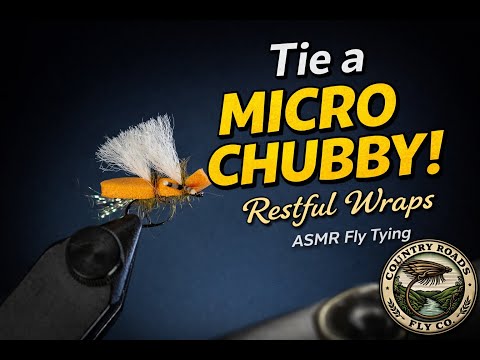
The Micro Chubby is a modern refinement of Chubby-style attractor dry flies, which trace their lineage back to the iconic Chubby Chernobyl. While the original Chubby was intentionally oversized to imitate stoneflies and hoppers, anglers quickly learned that trout often respond better to a smaller, cleaner silhouette—especially on pressured water. By downsizing the profile while keeping the core elements—foam buoyancy, rubber legs, and a visible body—the Micro Chubby excels as a searching dry fly, a terrestrial imitation, and a highly effective hopper-dropper indicator fly. Its ability to float heavy droppers while remaining subtle enough for selective trout has made it a staple in modern fly boxes.
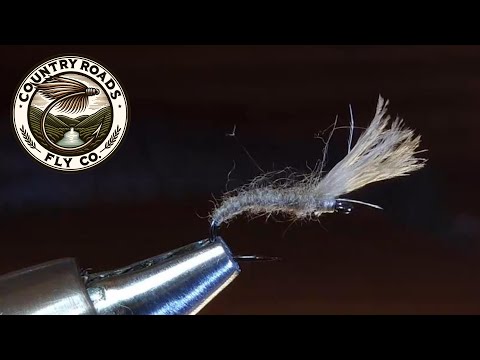
Charlie Craven's low-riding midge/BWO emerger that sits flush with just a CDC tuft showing. A biot-style segmented abdomen imitates the slender emerging body, while the upright CDC serves as flotation and indicator. Excels on flat, slow water where trout sip emergers.
A strand of mop chenille on a hook. Purists grimace, fish do not: the fat, translucent finger reads as a crane fly larva or a grub, and it has won enough competitions that nobody laughs anymore. Chartreuse and cream are the standards; fish it like any heavy nymph.
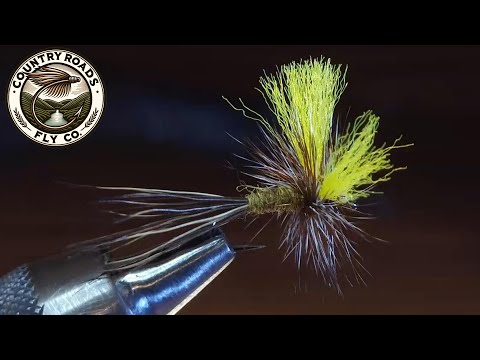
Harry Murray's Shenandoah Valley classic. An essential attractor dry fly for Appalachian mountain streams, built to ride fast freestone water all day long.
Don Gapen's Muddler Minnow is the prototype of the sculpin-imitating streamer. The spun deer hair head creates a large profile and a subtle wobble, making it one of the most versatile streamers ever tied.
Dave Whitlock's impressionistic crayfish — 'near enough' to fool everything that eats them, which on smallmouth rivers is everything with fins. Painted dumbbell eyes flip it claws-up to crawl the bottom, soft hen-feather pincers wave in the current, and a palmered rusty body does the rest.
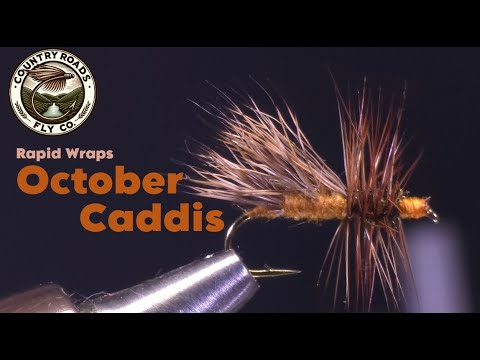
A large adult caddis dry imitating the big orange-bodied Dicosmoecus caddis that emerge on rivers in autumn. The bright orange body and elk-hair wing make it a high-floating, visible attractor that draws aggressive strikes during the fall transition.
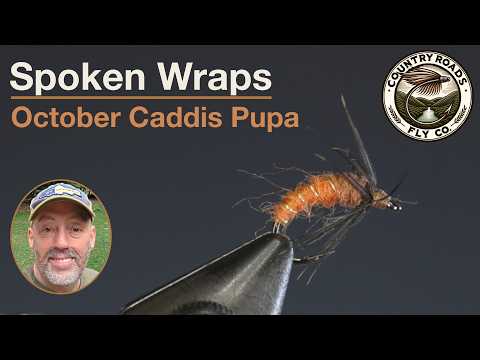
A large pupa imitating the autumn Dicosmoecus October caddis as it drifts and struggles toward the surface. The rusty orange body and rust thorax match one of the biggest, most protein-rich caddis of the year, and the sparse starling collar suggests emerging legs and antennae. Fish it deep and on the swing once the big orange bugs start moving.
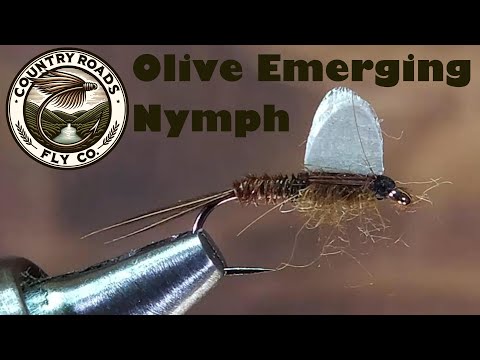
Imitates an olive mayfly nymph transforming at the surface film, a vulnerable stage trout target during Baetis and other olive hatches. A slim olive body suggests the abdomen; a wisp of CDC at the head traps air and represents emerging wings and legs. Fish in or just under the film.
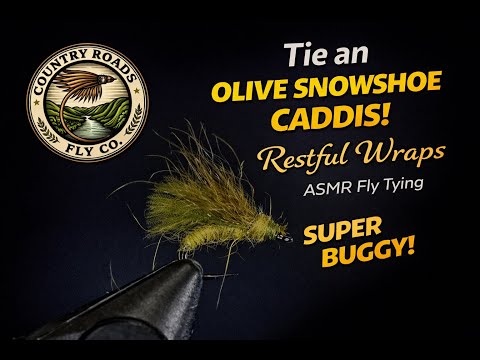
Caddisflies are among the most important insects in trout streams, often emerging in large numbers and skittering across the surface. Effective caddis patterns focus less on exact imitation and more on profile, buoyancy, and movement—qualities that trigger confident strikes. Snowshoe hare foot hair has long been valued in fly tying for its exceptional flotation and natural translucence, while CDC provides subtle motion and a low-riding footprint on the water. This Olive Snowshoe Caddis combines both materials to create a wing that floats high yet breathes naturally, making it especially effective in riffles, seams, and broken water. The olive coloration allows this pattern to cover a wide range of caddis species, functioning as both a hatch match and a versatile searching dry throughout spring and summer. This natural-material recipe produces a highly buoyant, animated dry fly with a clean caddis silhouette—perfect for fishing active caddis hatches or prospecting broken water.
The Pale Evening Dun imitates the evening-active pale mayflies — sulphurs and PMDs — that hatch in the last hour of light. A cream or pale yellow body and dun wings are essential for the selective fish these hatches produce.
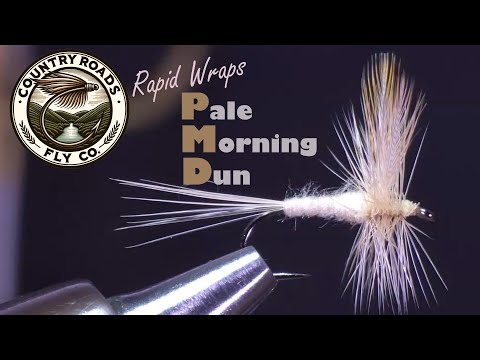
The PMD is one of the most important Western hatches and increasingly common in the East. Its pale yellow-olive body and upright dun wings demand a precise imitation for selective trout on spring creeks and tailwaters.
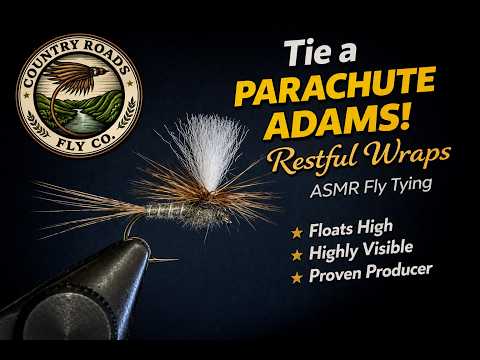
The Adams was created in 1922 by Leonard Halladay of Mayfield, Michigan, tied for his friend Charles F. Adams. It was built as a general mayfly impression rather than a match for one specific hatch, and that versatility is why it has never left anyone's box. The parachute version came later, winding the hackle flat around an upright post instead of around the shank. It sits the fly lower and shows a crisper wing profile from below — a small change that makes a real difference on selective fish.
The parachute version of the Hendrickson offers a flush-floating wing silhouette that's deadly during the first major dry fly hatch of the Eastern season. The pinkish-gray body exactly matches the natural.
The Mahogany Dun hatch is a fall sleeper — fish that have seen every fly all summer are suddenly willing to rise again. This parachute version is visible in the low autumn light and sits perfectly in the film.
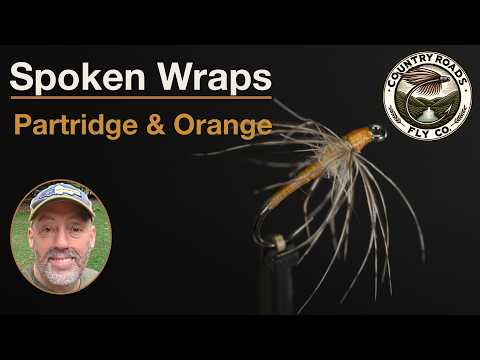
A North Country spider fished on Yorkshire's rivers for the better part of two centuries, and brought to American attention by Sylvester Nemes's soft-hackle revival. Nothing but a slim orange silk body and a turn of speckled partridge — the sparse collar pulses in the current suggesting legs, gills, or a drowned emerger.
The third of the great North Country spiders. Yellow silk and gray speckled partridge cover the pale mayflies — sulphurs, cahills, pale wateries — anywhere they hatch. Fish it upstream dead-drift like a nymph, then let it swing up at the hang.
A heavily weighted stonefly nymph that gets to the bottom fast and stays there — the standard anchor fly on Western freestone rigs. A variegated chenille body with three pairs of living rubber legs, plus leg-material tail and antennae, wiggling at drift speed. Crude at the vise, lethal in the water.
George Anderson's cased caddis — a rough hare's-ear case with the pale larva 'peeking' out the front, its black ostrich-herl head nodding in the current. Cased caddis are bottom ballast in every freestone river year-round, and almost nothing else imitates them.
The Perdigon (Spanish for "pellet") is a euro-nymph built for speed and depth. Its smooth thread body coated in UV resin cuts through current like a stone, reaching fish before they can drift away. Available in olive, black, red, and purple — each targeting different feeding moods.
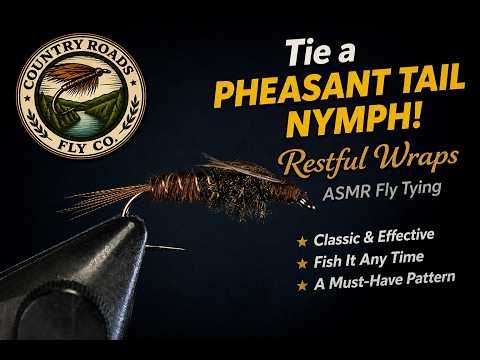
The Pheasant Tail was developed by English riverkeeper Frank Sawyer in the mid-20th century for the chalk streams of the River Avon. Sawyer's original used only pheasant tail fibers and fine copper wire — no thread at all — to imitate the baetis nymphs his trout were feeding on. The American version, often credited to Al Troth, added a peacock herl thorax and a defined wing case and legs. That's the dressing most tiers know today, and it's the one we're tying here.
Montana's do-everything wet: peacock body under a palmered brown hackle, a gray squirrel-tail wing, and a peacock herl head. Swing it as a caddis, strip it as a streamer, dead-drift it as a stonefly — the Picket Pin has never much cared which.
A micro-zonker that fishes like a nymph and swims like a streamer. One strip of pine squirrel — finer and livelier than rabbit at small sizes — plus a bead, and you have the most dependable small leech going. Dead-drift it under an indicator, then let it swing.
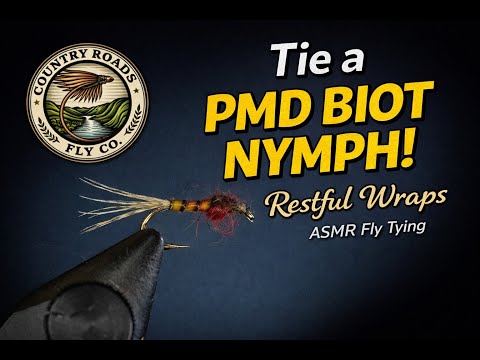
The PMD Biot Nymph is designed to imitate the nymphal stage of Pale Morning Dun (PMD) mayflies, a prolific and important hatch on many Western and Eastern tailwaters. PMD nymphs are slim, active swimmers, and trout often key in on them heavily in the days leading up to—and during—the hatch. Using a goose biot abdomen gives this pattern its defining feature: crisp segmentation and a natural taper that closely matches the real insect. Combined with soft natural materials in the thorax and tail, the PMD Biot Nymph excels at imitating drifting and emerging nymphs in clear, technical water. This style of biot-bodied nymph has become a favorite among anglers who value realism over flash, especially when fishing pressured trout or subtle presentations. This refined material combination creates a slender, segmented profile with lifelike texture—ideal for PMD hatches and selective trout.
Doug Prince's classic nymph is one of the best searching patterns in freshwater fishing. The white biot wings, peacock body, and brown hackle suggest a stonefly nymph but work when nothing specific is hatching.
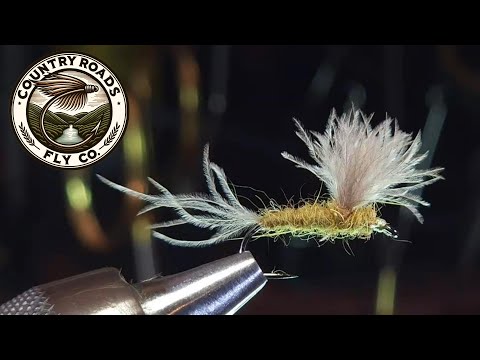
A simple surface-film emerger built around a buoyant CDC "puff" that suspends the fly in the meniscus. A trailing shuck represents the shed husk and a slim dubbed body completes the impression of a mayfly emerging.
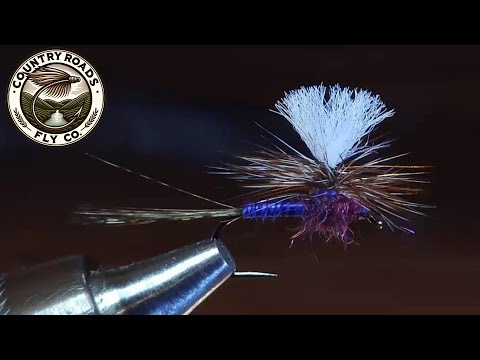
Andy Carlson's purple-bodied variation of the Parachute Adams, an enormously popular Western attractor. The purple body adds contrast and visibility while the grizzly parachute hackle and calf-hair post keep it floating flat and easy to see. A general mayfly imitation and searching pattern.
Bob Quigley's classic cripple pattern suggests a dun stuck half-in and half-out of its shuck — exactly the vulnerable stage that selective trout target. The Z-Lon trailing shuck and deer hair wing are signature features.
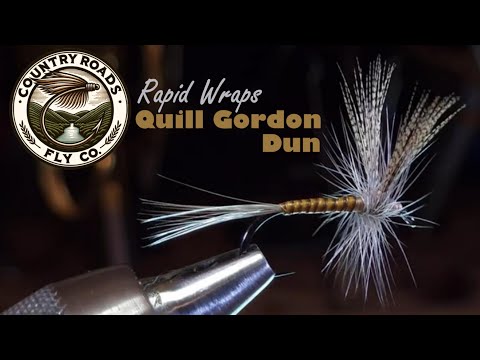
Theodore Gordon's legendary pattern for Epeorus pleuralis — the first quality dry-fly hatch of the year on Appalachian streams. The stripped peacock quill body perfectly captures the segmented look of the natural.
Lance Egan's flashy attractor nymph — a wrapped pearl-flash body, pheasant-tail whisks, and a hotspot of rainbow-blend dubbing under a silver bead. It imitates nothing and out-fishes nearly everything, particularly on pressured tailwaters where fish have seen every natural.
The Rat-Faced McDougal pairs a spun-and-clipped deer hair body with white calf tail wings and ginger hackle. The deer hair body is nearly unsinkable — excellent in fast water where buoyancy beats precision.
The Bighorn's famous sowbug, named because it is so simple even a blind man could tie it — and so effective nobody minds the joke. Three materials: ostrich herl for the legs-everywhere silhouette, a pearl flash back, and a red thread head as the trigger.
Dave Whitlock's favorite fly — he said if he had one nymph, this would be it. The orange-tan belly fur of a red fox squirrel for the abdomen, the darker back fur for the thorax, ribbed with gold: a warm, buggy, all-purpose nymph that looks a little like everything trout eat.
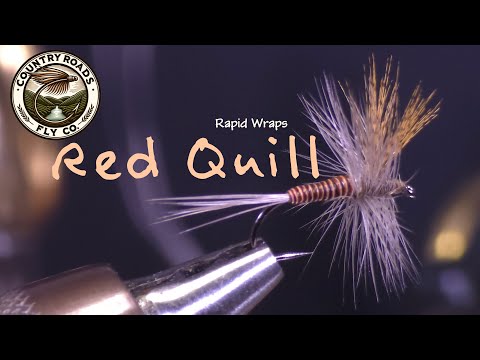
The Red Quill imitates the male Hendrickson natural — darker and smaller than the female, with a distinctive reddish-brown segmented body made from a stripped hackle quill. A Catskill classic as important as the Hendrickson itself.
Taylor Williams' Renegade is unlike any other fly — a brown hackle collar at the rear, peacock herl body, and white hackle collar at the front. It imitates nothing specific and attracts everything. One of the great Western searching patterns.
The Royal Humpy pairs the Humpy's deer-hair hump with a red floss underbody and upright white calf-tail wings — the red flash below, the white wings above. A rough-water attractor you can track in any light, popularized by Jack Dennis's Western Trout Fly Tying Manual.
The Royal Coachman colors in a down-wing trude silhouette — peacock and red floss under a swept white calf wing. Reads as caddis, small stone, or nothing in particular; visible at forty feet in chop; and quietly one of the best attractor dries the West ever standardized.
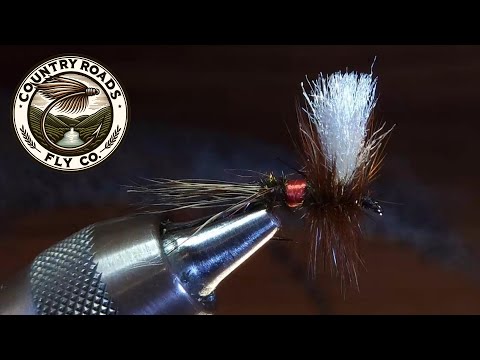
Lee Wulff's iconic attractor dry fly. The peacock-red-peacock body makes it visible in rough water, and white calf tail wings make it easy to see from a distance. One of the most recognizable flies ever created.
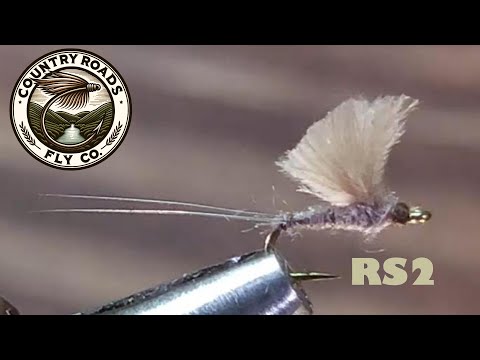
Rim Chung's impossibly simple tailwater nymph — gray dubbing and snowshoe rabbit wing, nothing more. The RS2 consistently outperforms more complex patterns on heavily pressured tailwaters where fish see everything.
The Rusty Spinner imitates the spent female of many important mayfly species — Hendricksons, Sulphurs, and Blue-Winged Olives all produce rusty-bodied spinners. Dead fish on the surface, and trout are absolutely locked on them.
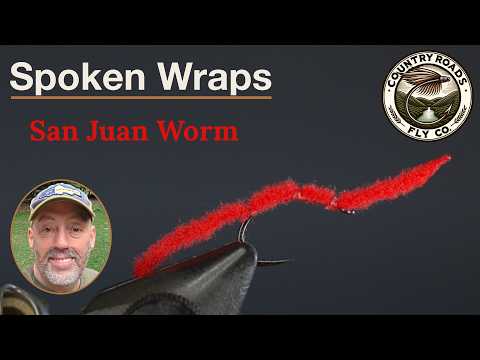
Named after the San Juan River in New Mexico, this simple worm pattern represents aquatic worms that get dislodged in high water and during runoff. Controversial in some circles, devastatingly effective in all circles. Red is the most popular color, but pink and wine produce on pressured fish.
Freshwater shrimp are the protein base of every weed-rich tailwater and spring creek, grazed on all year with no hatch required. A curved shaggy body under a clear shellback, ribbed into segments — tie it olive and tan for every day, orange for the dead-drifting 'cooked' scuds below dams.
The Madison River's twisted-yarn midge, popularized by Blue Ribbon Flies. A cord of twisted Z-Lon makes the segmented abdomen; a clipped tuft of deer hair makes the emerging wing bud. Red, olive, and brown, sizes 16–20, cover most of what a Western river calls midges and small caddis.
Skwalas bring up the West's first big dry-fly eats of the year — olive-brown stoneflies on the water while the cottonwoods are still bare. A low-riding olive-brown body, dark elk wing, and rubber legs cover the hatch; fish it tight to the banks on March and April afternoons.
A no-hackle CDC caddis designed for flat tailwater pools where drag and silhouette matter more than floatation. The sparse CDC wing sits naturally in the film while the dubbing body and Z-Lon shuck sell the imitation.
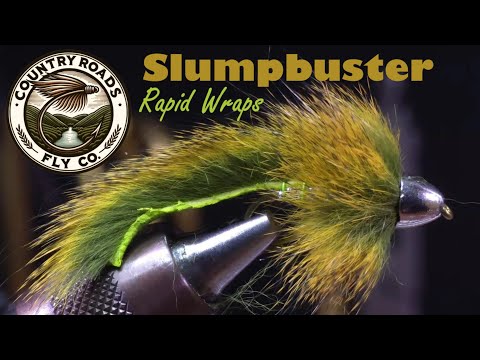
John Barr's Slumpbuster combines a rabbit strip tail with a pine squirrel or rabbit strip body for maximum pulsation and bulk. The cone head gets it deep quickly. A fish-catcher when nothing else works. Olive and brown match sculpin and crayfish; black excels in off-color or low-light conditions.
Waterhen Bloa's dark companion: purple silk and a snipe hackle, nothing more. The North Country's Iron Blue pattern — when the little dark olives with the slate wings are on the water in cold, blustery weather, this spider swung across the current is deadly.
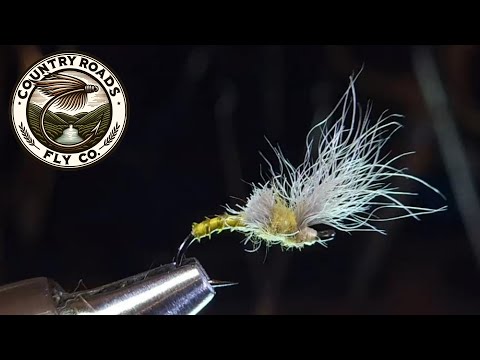
Uses water-repellent snowshoe-hare foot hair for a buggy, high-floating wing that keeps the fly in the film during a hatch. A trailing shuck represents the shed husk; the dubbed body and flared wing imitate a struggling mayfly. Simple, durable, and floats well in broken water.
A flush-floating BWO emerger using snowshoe rabbit foot hair for the wing. Snowshoe hair is more water-resistant than most materials — it floats in the film naturally without floatant and creates a perfect silhouette. Exceptional during heavy BWO hatches.
A cross between the Gold-Ribbed Hare's Ear nymph and the soft hackle wet fly, this pattern excels swung on the downstream pass. The partridge collar pulses in the current, imitating a struggling emerger.
Craig Mathews and John Juracek's Sparkle Dun pairs the Comparadun's fanned deer hair wing with a Z-Lon trailing shuck suggesting an emerging nymph. This combination triggers strikes during the most selective BWO hatches.
The Sparkle Dun scaled up for the Western Green Drake — the big early-summer mayfly that brings every large fish in the river to the surface. The fanned deer-hair wing and trailing shuck read as a drake struggling free, which is exactly the version the fish prefer to eat.
The Sparkle Dun tied to match the sulphur hatch. The trailing shuck and upright deer hair wing perfectly suggest a sulphur in the final stages of emergence — exactly what selective evening-rise fish demand.
Gary LaFontaine's Emergent Sparkle Pupa, the centerpiece of his landmark caddis research. The Antron bubble overbody — chosen because Antron's tri-lobal fibers trap air and sparkle exactly like a gas-filled pupal sheath — plus a trailing Antron shuck and a small deer-hair wing capture the caddis at its most vulnerable moment.
Controversial in some circles and devastating in all of them, the Squirmy Wormy uses a silicone worm material that moves seductively in current. Particularly effective in high, off-color water after rain when actual aquatic worms wash into the stream.
Peacock herl and a tiny iridescent starling hackle — the small dark soft-hackle for smutting fish. When trout are on little black stuff and refusing everything, a size 18 Starling & Herl swung or dead-drifted in the film is the old, quiet answer.
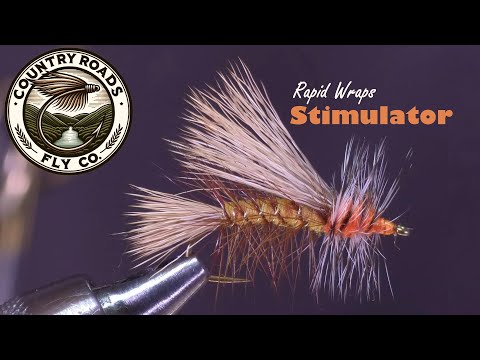
Randall Kaufmann's Stimulator is the king of attractor dry flies for Western-style fast water. Its elk hair wing, palmered hackle, and bold body trigger strikes on everything from trout to steelhead. Yellow imitates Yellow Sallies and small stoneflies; orange targets Golden Stones and Salmonflies; chartreuse and tan serve as general attractors.
The mid-Atlantic's egg cluster — rows of soft yarn loops suggesting a drifting clump of sucker eggs. Born in Pennsylvania steelhead country and equally at home on Appalachian trout streams every spring when the suckers run gravel. Cream and orange, dead-drifted on the bottom.
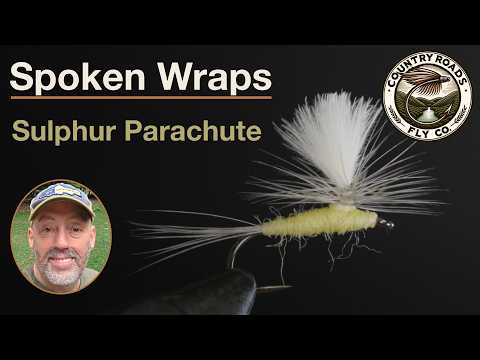
The parachute version of the sulphur dun sits flush in the film and is far more visible to the angler than the Catskill tie. Essential during the evening sulphur hatches of May and June.
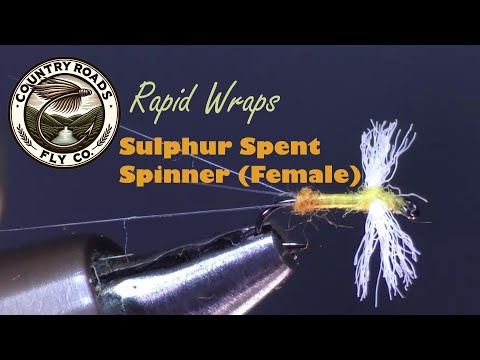
Imitates a spent, egg-laying sulphur mayfly (Ephemerella) lying flush in the film after mating. Pale yellow/cream body, split microfibett tail, and spent poly wings to each side. A key late-day pattern during evening sulphur spinner falls.
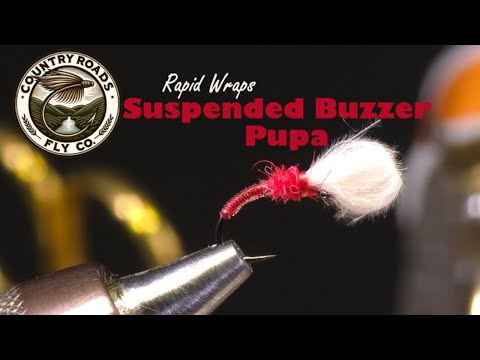
A UK stillwater imitation of the chironomid (midge) pupa — the single most important food source on lakes. A "suspended" buzzer hangs in the film/upper column as the pupa ascends to emerge. Defined by a very slim, glossy, tightly ribbed body and contrasting breathers/cheeks at the head representing the gills and wing-buds.
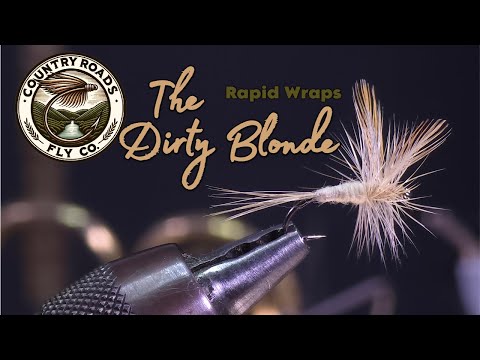
The Dirty Blonde is a versatile dry fly designed with subtle blonde tones, making it effective for imitating a variety of mayflies and caddisflies. Whether you're fishing a Pale Morning Dun hatch, a Light Cahill emergence, or general tan caddis activity, this pattern's pale yellow body and light ginger hackle give it broad appeal across seasons and water types.
Fran Betters's Ausable River fly, named for his answer when asked what they were biting on. Nothing but snowshoe hare's foot — tail, wing, and the rusty-cream underfur dubbed for the body — on hot orange thread. It floats like a cork through pocket water, refuses to sink, and imitates whatever the fish decide it is.
Vince Marinaro's thorax style features a centrally-tied hackle clipped on the bottom that allows the fly to sit flat and natural in the film. For glass-smooth water during BWO hatches, few patterns are more effective.
The thorax style applied to the sulphur hatch. Clipping the bottom hackle fibers lets this fly sit naturally flat in the film during evening sulphur hatches when trout are inspecting every fly that drifts over them.
Dorsey's emerging-midge companion to the Mercury Midge: dark brown body ribbed with white thread, a rusty dubbed thorax, and a stub of bright white wing material breaking the profile — the pupa at the moment of eclosion. A first-string dropper on any winter tailwater rig.
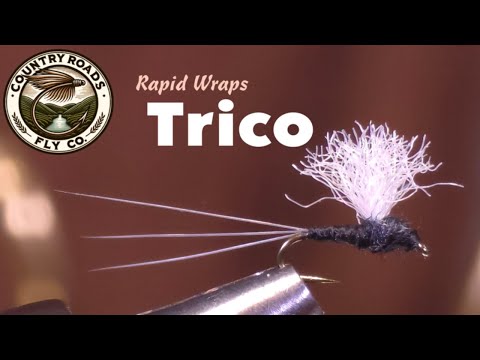
Imitates the tiny Tricorythodes mayfly, whose dense late-summer morning spinner falls produce hours of selective surface feeding on tailwaters and spring creeks. Tied small with a black body and white spent or upright wing to represent the dun or female spinner.
The Trico spinner fall is one of the most demanding hatches in trout fishing. Thousands of tiny spent spinners on the surface demand a small, accurate imitation. This pattern nails the black body and white spent wings.
R.S. Austin's Devon pattern (1890s), named for the famously secret pinkish dubbing from a tup — a ram. Yellow silk at the rear, a blush of pink mixture at the thorax, and blue dun hackle: the enduring pattern for pale wateries and other small light mayflies on smooth water.
Guy Turck's 1990 Jackson Hole One Fly winner — the attractor that ate the West. Golden pheasant tippet tail, hare's ear body, a calf-and-flash wing under a spun deer muddler head, rubber legs off the sides. Floats a dropper all day, gets eaten on its own all evening.
Walt Young's impossibly simple nymph — just a curved hook and rough hare's ear dubbing. The shaggy, segmented appearance imitates sowbugs, caddis larvae, or whatever the fish imagine it to be.
The most famous of the North Country spiders, fished on Yorkshire rivers for two centuries and still the best Large Dark Olive pattern going. Yellow silk barely shaded with blue-gray fur, and a turn of soft waterhen hackle that breathes in the current like a drowning dun's wings.
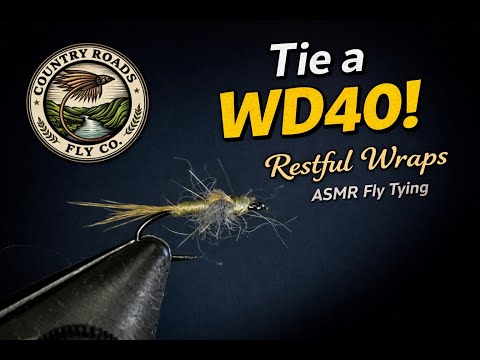
René Harrop's WD-40 is a masterclass in minimal fly design — wood duck legs, dubbing body, and snowshoe rabbit wing suggest a midge pupa or BWO emerger just below the film. One of the most effective tailwater nymphs ever created.
Lee Wulff's all-white hair-wing, and the classic answer to the White Fly (Ephoron) — the August dusk hatch that turns Appalachian and mid-Atlantic rivers white with duns. When the light is nearly gone and everything on the water is pale, the White Wulff is both imitation and beacon.
The Woolly Bugger is one of the most versatile streamers in freshwater fishing. It suggests a leech, sculpin, hellgrammite, baitfish, or simply something alive and edible. Olive and brown match sculpin and leech; black provides maximum silhouette in off-color or low-light water; white imitates baitfish such as shiners and dace.
One of the oldest American wet fly patterns, the Woolly Worm predates the Woolly Bugger by decades. The palmered hackle over a chenille body suggests a caterpillar, stonefly nymph, or leech depending on how it's fished.
Craig Mathews' X-Caddis features a Z-Lon trailing shuck suggesting a caddis in mid-emergence. Trout key on cripples, and this pattern is often more effective than a fully-dressed adult caddis. Tied in tan, olive, or gray to match different caddis species.
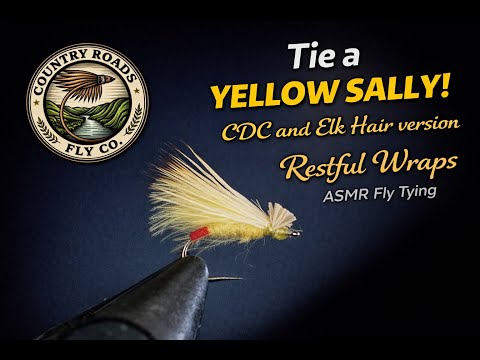
A sparse, delicate dry fly imitating the little yellow stonefly (Isoperla spp.). One of the most reliable summer dry-fly hatches on Appalachian freestone streams.
The parachute version of the Yellow Sally dry sits flush and is far easier to track than the standard low-hackle version. The white poly post provides visibility without changing the silhouette that trout key on during Little Yellow Sally hatches.
Ted Welling's Zebra Midge is the go-to tailwater midge larva pattern. Two materials — thread and wire — tied on a beaded hook. Deceptively simple and devastatingly effective.
Dan Byford's rabbit-strip baitfish — the fly that made the zonker strip a category. A pearl mylar body flashes like a minnow's flank while the fur strip swims over the top with an action no feather can match. Natural for sculpin-brown, white or olive for baitfish; it all works.
Kelly Galloup's neutrally buoyant sculpin — the fly that helped launch modern streamer fishing. The broad deer-hair head is left loose so the fly hovers and darts side-to-side on the strip instead of sinking away. Fished on a sinking line, banged off the banks, it hunts big browns.